


Winemaker Notes
Aromas of currant, cassis and spice box give way to a palate of freshly picked ripe cherry and hints of earth.
Fine tannins, an elegant mouthfeel and focused acidity lead to a long finish, creating a delightful wine to
pair with cured meats, duck confit, and roasted pork loin, as well as cream-based pastas and semi-soft
cheeses.
Professional Ratings
-
Jeb Dunnuck
Lastly, the 2016 Zinfandel Rockpile checks in as 100% Zinfandel that spent 14 months in mostly neutral oak (15% new). This site always delivers impressive purity of fruit and this cuvée is no exception, showing plenty of cassis and blackberry fruits as well as loads of spice box, dried herbs, incense, and flowers. Beautifully textured, with sweet tannin, it just glides across the palate and has both richness and elegance. It's another beautiful Zinfandel from this estate.
-
Wine Spectator
A racy style, buoyed by a polised structure, offering expressive cherry, bay leaf and smoky cracked pepper flavors that take on richness towards refined tannins. Drink now through 2027.



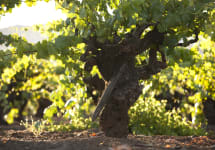
Established in 1895, Seghesio Family Vineyards produces benchmark Zinfandels that honor five generations of winegrowing leadership, and share the heart of Sonoma County and their Italian heritage. Seghesio Family Vineyards encompasses more than 300 acres of estate vineyards in the Alexander, Dry Creek and Russian River Valleys – that also represent a significant amount of Old Vine plantings that are more than 50 years old and up to 125 years old.
With a passionate belief that wine is made in the vineyard, Seghesio Family Vineyards pairs more than a century’s worth of experience in the vineyard with labor-intensive farming techniques that reduce yields, increase quality and ensure wines of outstanding purity and balance. True to the winery’s heritage, Seghesio Family Vineyards is focused mainly on Zinfandel and a handful of Italian varieties. Andy Robinson is the winemaker.
Seghesio Family Vineyards has always thrived to protect the environment and their communities. It has become clear to us that the emission of Green House Gases (GHG) not only is the biggest environmental threat, but also that the majority of environmental advances are tied to their ability to emit less GHG. They have embarked on a fundamental transformation of how they grow grapes and make wines and have joined international organizations such as the Porto Protocol and the International Wineries for Climate Action (IWCA). They have committed to reduce their GHG emissions by 50% by 2030 and 100% by 2050.

Unapologetically bold, spice-driven and jammy, Zinfandel has secured its title as the darling of California vintners by adapting well to the state's diverse microclimates and landscapes. Born in Croatia, it later made its way to southern Italy where it was named Primitivo. Fortunately, the imperial nursery of Vienna catalogued specimens of the vine, and it later made its way to New England in 1829. Parading the true American spirit, Zinfandel found a new home in California during the Gold Rush of 1849. Somm Secret—California's ancient vines of Zinfandel are those that survived the neglect of Prohibition; today these vines produce the most concentrated, ethereal and complex examples.
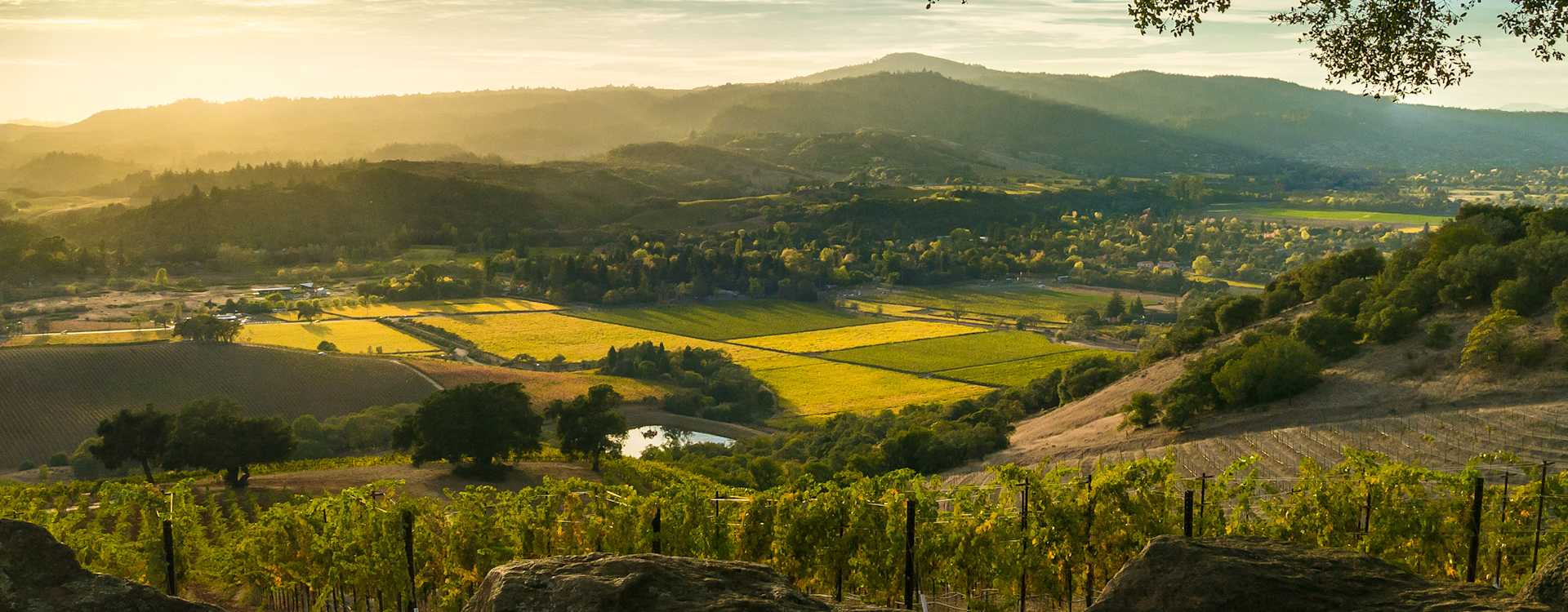
High elevation vineyards—800 to 2,100 feet—on well-drained soils of red and brown clay loam, gravel and large rock outcroppings produce low yields of intense, high-quality fruit. Surrounded by Northern Sonoma County and overlapping Dry Creek Valley in its northwest corner, the Rockpile AVA produces some of California most powerful Zinfandel, Petit Sirah, Syrah and Cabernet Sauvignon based wines.