
Winemaker Notes
"We know it takes superior fruit to make fine wine and that Mother Nature greatly influences
the success of each vintage. In 2002, Mother Nature worked late to help produce exceptional
fruit with intense varietal flavor. t harvest, deeply colored and evenly ripened fruit was macerated and fermented for optimal
balance of fruitiness and tannin content. These astringent tannins decrease during aging
adding suppleness to the wine. Cortina's indelible spicy, white pepper impression is
intrinsically assimilated from the surrounding aura that resides over this site. Briery
raspberries, cherries and currants emerge convincingly, adding dimension and interest."
--- Ted Seghesio



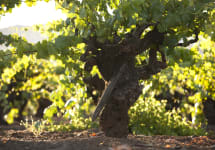
Established in 1895, Seghesio Family Vineyards produces benchmark Zinfandels that honor five generations of winegrowing leadership, and share the heart of Sonoma County and their Italian heritage. Seghesio Family Vineyards encompasses more than 300 acres of estate vineyards in the Alexander, Dry Creek and Russian River Valleys – that also represent a significant amount of Old Vine plantings that are more than 50 years old and up to 125 years old.
With a passionate belief that wine is made in the vineyard, Seghesio Family Vineyards pairs more than a century’s worth of experience in the vineyard with labor-intensive farming techniques that reduce yields, increase quality and ensure wines of outstanding purity and balance. True to the winery’s heritage, Seghesio Family Vineyards is focused mainly on Zinfandel and a handful of Italian varieties. Andy Robinson is the winemaker.
Seghesio Family Vineyards has always thrived to protect the environment and their communities. It has become clear to us that the emission of Green House Gases (GHG) not only is the biggest environmental threat, but also that the majority of environmental advances are tied to their ability to emit less GHG. They have embarked on a fundamental transformation of how they grow grapes and make wines and have joined international organizations such as the Porto Protocol and the International Wineries for Climate Action (IWCA). They have committed to reduce their GHG emissions by 50% by 2030 and 100% by 2050.

Unapologetically bold, spice-driven and jammy, Zinfandel has secured its title as the darling of California vintners by adapting well to the state's diverse microclimates and landscapes. Born in Croatia, it later made its way to southern Italy where it was named Primitivo. Fortunately, the imperial nursery of Vienna catalogued specimens of the vine, and it later made its way to New England in 1829. Parading the true American spirit, Zinfandel found a new home in California during the Gold Rush of 1849. Somm Secret—California's ancient vines of Zinfandel are those that survived the neglect of Prohibition; today these vines produce the most concentrated, ethereal and complex examples.
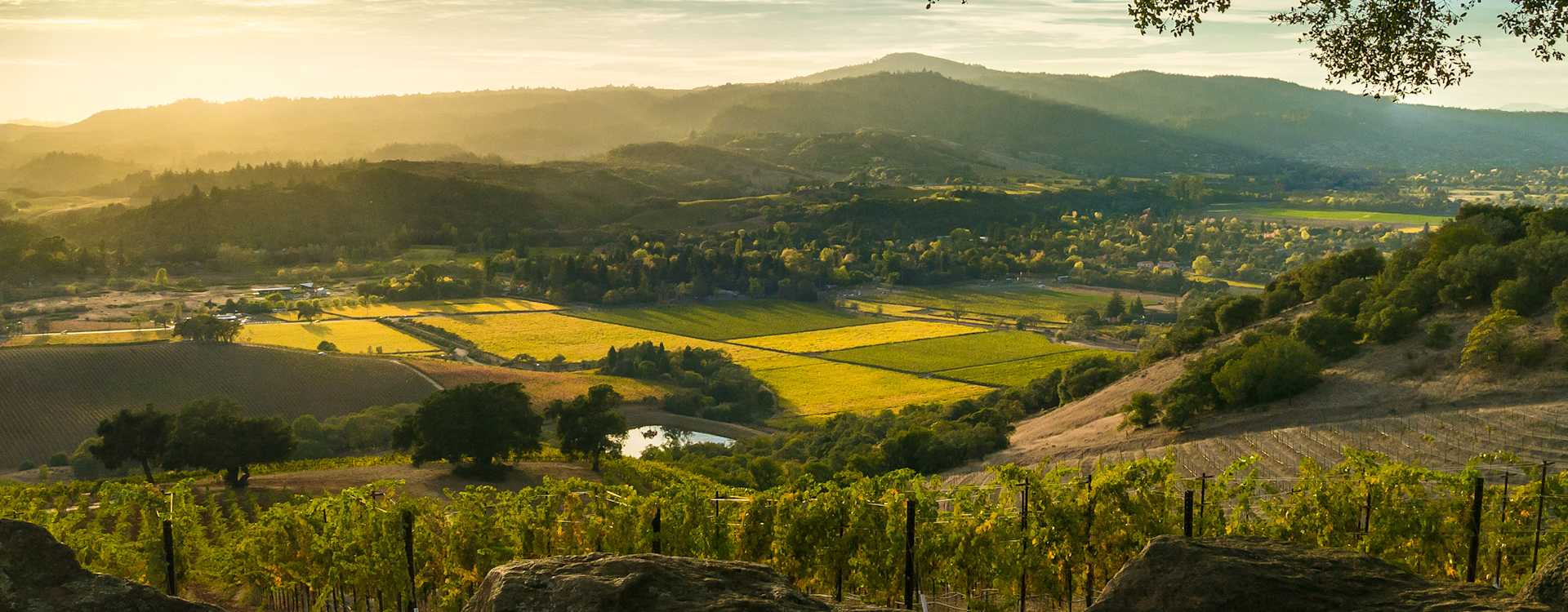
Home to a diverse array of smaller AVAs with varied microclimates and soil types, Sonoma County has something for every wine lover. Physically twice as large as Napa Valley, the region only produces about half the amount of wine but boasts both tremendous quality and variety. With its laid-back atmosphere and down-to-earth attitude, the wineries of Sonoma are appreciated by wine tourists for their friendliness and approachability. The entire county intends to become a 100% sustainable winegrowing region by 2019.
Sonoma County wines are produced with carefully selected grape varieties to reflect the best attributes of their sites—Dry Creek Valley’s consistent sunshine is ideal for Zinfandel, while the warm Alexander Valley is responsible for rich, voluptuous red wines like Cabernet Sauvignon. Chardonnay and Pinot Noir are important throughout the county, most notably in the cooler AVAs of Russian River, Sonoma Coast and Carneros. Sauvignon Blanc, Merlot and Syrah have also found a firm footing here.