


Winemaker Notes
Each year, the goal for Southing is to create the ideal marriage of complexity and elegance. The ever-changing nose of the Southing exhibits Montmorency cherry, sage, hibiscus and subtle baking spices. The fine tannins and minerality are enhanced by our estate vineyard’s characteristic cool climate acidity.
Professional Ratings
-
Wine Enthusiast
Fruity and juicy aromas of alpine strawberry and raspberry compote are elevated by elegant lavender and violet touches on the nose of this bottling. The palate is framed by ample tannin's, yet it goes down incredibly easy, offering raspberry paste, boysenberry and light spice flavors.
-
James Suckling
Aromas of blueberries with wrought iron and metal shavings with some sliced strawberries with white tops. Full to medium body. Firm tannins and fresh acidity. Racy.
-
Vinous
The 2020 Pinot Noir Southing is rich and voluptuous, showing its oak imprint prominently. Baking spices and waxy wood tones sit atop integrated tannins and supple acids. Vanilla, black raspberry and cassis weave through the palate, rounding into a gently bitter close. This is a broad, soft-edged Pinot with plenty of immediate appeal. I'd prefer more brightness, but this is clearly a very well-made wine.


Thin-skinned, finicky and temperamental, Pinot Noir is also one of the most rewarding grapes to grow and remains a labor of love for some of the greatest vignerons in Burgundy. Fairly adaptable but highly reflective of the environment in which it is grown, Pinot Noir prefers a cool climate and requires low yields to achieve high quality. Outside of France, outstanding examples come from in Oregon, California and throughout specific locations in wine-producing world. Somm Secret—André Tchelistcheff, California’s most influential post-Prohibition winemaker decidedly stayed away from the grape, claiming “God made Cabernet. The Devil made Pinot Noir.”
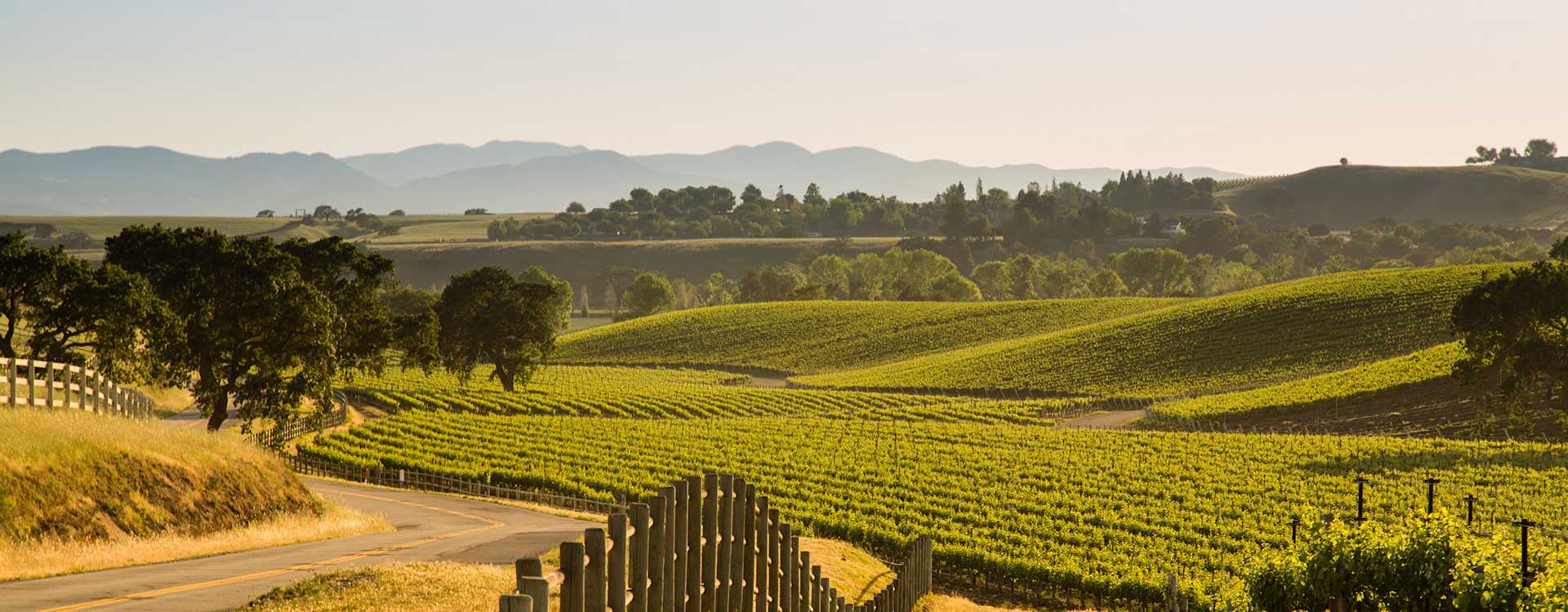
A superior source of California Chardonnay and Pinot Noir, Sta. Rita Hills is the coolest, westernmost sub-region of the larger Santa Ynez Valley appellation within Santa Barbara County. This relatively new AVA is unquestionably one to keep an eye on.
The climate of Sta. Rita Hills is a natural match for Chardonnay and Pinot noir, thanks to the crisp ocean breezes and well-drained, limestone-rich calcareous soil. Here, grapes ripen just enough, while retaining brisk acidity and harmonious balance.