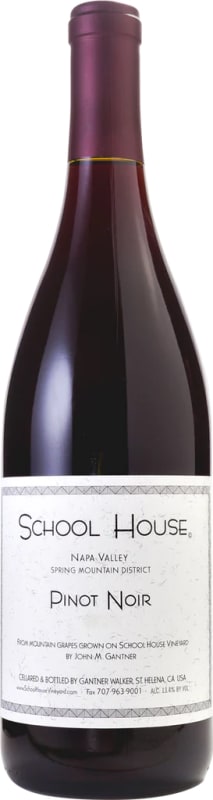


Winemaker Notes
#54 Wine Spectator Top 100 of 2022
Ruby to a vibrant pink rim. Woodsy, brambly, red mountain berries of strawberry and pomegranate on the nose with aromatic spices and fresh forest floor. Deep, sultry red fruit with an undertone of fragrant herbs and citrus peel. It has a powerful concentration at its core due to the age of the vines, yet it remains energetic and juicy. Snappy red fruits, pink and red fowers are followed by structured oak tannin which has already integrated very well. Overall, there are flashes of spice one would associate more with Vosne-Romanee and a fruit profile fitting of Morey Saint Denis. On day two there was even better integration and a touch of savory baking spices.
Professional Ratings
-
Wine Spectator
Distinctive, with a refined persistence, thanks to a mix of gently mulled raspberry and cherry fruit flavors, alluring chaparral and sweet bay leaf aromas and a taut, racy iron-accented minerality through the lengthy finish. Best After 2024


Thin-skinned, finicky and temperamental, Pinot Noir is also one of the most rewarding grapes to grow and remains a labor of love for some of the greatest vignerons in Burgundy. Fairly adaptable but highly reflective of the environment in which it is grown, Pinot Noir prefers a cool climate and requires low yields to achieve high quality. Outside of France, outstanding examples come from in Oregon, California and throughout specific locations in wine-producing world. Somm Secret—André Tchelistcheff, California’s most influential post-Prohibition winemaker decidedly stayed away from the grape, claiming “God made Cabernet. The Devil made Pinot Noir.”

Above the town of St. Helena on the eastern slopes of the Mayacamas Mountains sits the Spring Mountain District.
A dynamic region, its vineyards, cut by numerous springs and streams, vary in elevation, slope and aspect. Soils differ throughout with over 20 distinct types inside of the 8,600 acres that define the appellation. Within that area, only about 1,000 are planted to vineyards. Predominantly farmed by small, independent producers, the region currently has just over 30 wineries.
During the growing season, late afternoon Pacific Ocean breezes reach the Spring Mountain vineyards, which sit at between 400 and 1,200 feet. Daytime temperatures during mid summer and early fall remain slightly cooler than those of the valley floor.
Spring Mountain soils—volcanic matter and sedimentary rock—create intense but balanced reds with lush and delicate tannins. The area excels with Bordeaux varieties such as Cabernet Sauvignon, Cabernet Franc and Merlot and in some cooler spots, Chardonnay.