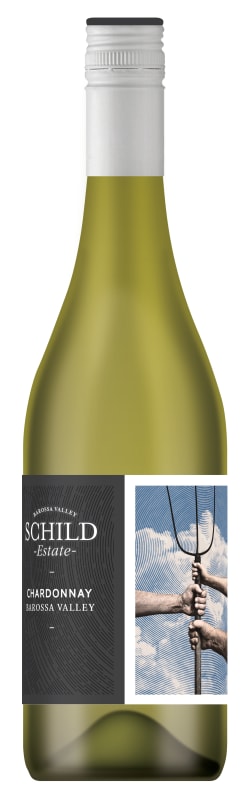


Winemaker Notes
Clear, bright pale lemon in appearance. An aroma characterized by ripe lemon citrus, fresh nectarine, and white peach notes sitting alongside subtle glimpses of powderpuff mineral bath salts and white iris flowers. In the mouth a balanced, restrained mouthfeel from the interplay of the lemon citrus flavors working in tandem with a fresh mineral acid line and a clean finish to ensure a soft and controlled.
Professional Ratings
-
Wilfred Wong of Wine.com
COMMENTARY: The 2020 Schild Estate Unoaked Chardonnay is bright and delicious. TASTING NOTES: This wine exhibits aromas and flavors of ripe apple and hints of savory spices. Enjoy it with fish tacos. (Tasted: April 10, 2022, San Francisco, CA)


One of the most popular and versatile white wine grapes, Chardonnay offers a wide range of flavors and styles depending on where it is grown and how it is made. While it tends to flourish in most environments, Chardonnay from its Burgundian homeland produces some of the most remarkable and longest lived examples. California produces both oaky, buttery styles and leaner, European-inspired wines. Somm Secret—The Burgundian subregion of Chablis, while typically using older oak barrels, produces a bright style similar to the unoaked style. Anyone who doesn't like oaky Chardonnay would likely enjoy Chablis.

Historically and presently the most important wine-producing region of Australia, the Barossa Valley is set in the Barossa zone of South Australia, where more than half of the country’s wine is made. Because the climate is very hot and dry, vineyard managers work diligently to ensure grapes reach the perfect levels of phenolic ripeness.
The intense heat is ideal for plush, bold reds, particularly Shiraz on its own or Rhône Blends. Often Shiraz and Cabernet partner up for plump and powerful reds.
While much less prevalent, light-skinned varieties such as Riesling, Viognier or Semillon produce vibrant Barossa Valley whites.
Most of Australia’s largest wine producers are based here and Shiraz plantings date back as far as the 1850s or before. Many of them are dry farmed and bush trained, still offering less than one ton per acre of inky, intense, purple juice.