

Winemaker Notes
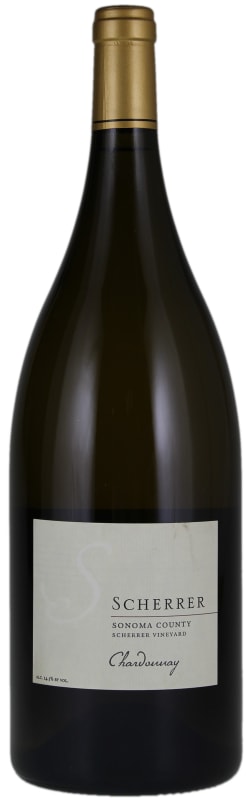
This is a rich and complex expression of Chardonnay from the Scherrer Vineyard. The grapes were whole-cluster pressed to French oak cooperage, where primary and malolactic fermentation occurred. All of these elements were allowed to integrate during its more than yearlong residence in wood. It was bottled without fining or filtration to respect both its delicacy and its more substantial qualities.
Fresh green apple, baked Gravenstein apple, wet stones, baking spices greet the nose and echo on the palate. A haunting floral note on the front end like apple or plum blossoms and plays hide and seek with the fresh apple notes. There is a good balance of angles (acidity and tannin) and rounds (glycerol), great length and good salivary response on the finish which makes this so versatile with food. These Chardonnays age really well and evolve rather than just get ‘wrinkles.’ I wish we had more bottles of past vintages in the library to show and sell. But word has gotten out that they evolve into something special so library wines have been fairly well cleaned out though there is still enough held back to continue to offer some on the 16th.
In a time when far extremes of style seem to polarize the discussion of what is valid, ours is a refreshing alternative, somewhere in the happy middle ground. Yields per acre are extremely low, about 1 ton per acre, and this site overachieves regularly.


One of the most popular and versatile white wine grapes, Chardonnay offers a wide range of flavors and styles depending on where it is grown and how it is made. While it tends to flourish in most environments, Chardonnay from its Burgundian homeland produces some of the most remarkable and longest lived examples. California produces both oaky, buttery styles and leaner, European-inspired wines. Somm Secret—The Burgundian subregion of Chablis, while typically using older oak barrels, produces a bright style similar to the unoaked style. Anyone who doesn't like oaky Chardonnay would likely enjoy Chablis.

Nearly a northern extension of Napa Valley, Alexander Valley starts just north of the small, Knights Valley, and is just a few minutes drive from the Napa town of Calistoga. It is Sonoma County’s hottest AVA. But the Russian River, which runs through the valley, creates cooler pockets and its soft, alluvial soil is ideal for grape growing, especially Cabernet Sauvignon. In fact, some believe that Alexander Valley Cabernets truly rival the best from Napa Valley and many of the heavy-hitter producers have largely invested here.
In addition to Cabernet Sauvignon, which makes up over 50% of plantings, Merlot and old vine Zinfandel thrive here. Ample, fleshy Chardonnay and Sauvignon Blanc dominate white wine production. Some old-vine plantings of Grenache have also been discovered and more recent experiments with Sangiovese and Barbera show great promise.