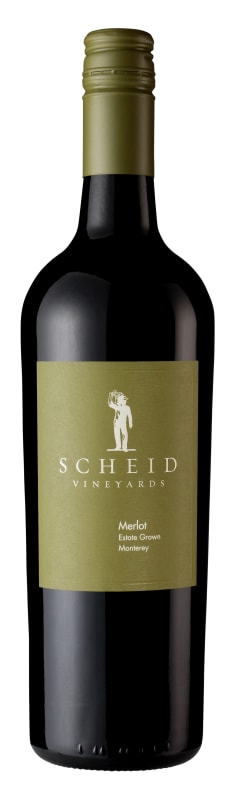


Winemaker Notes
Merlot is making a comeback and it’s about time. Though unfairly treated for years,Merlot is striding confidently into your home and into your glass, brimming with redfruit, easy tannins and an approachable softness. Beginning with a nose of spice andvanilla, our Estate Merlot unfolds smoothly into blackberry, black cherry, plum andboysenberry flavors, framed by a mild acidity and lightly toasted wood notes. Thisfull-bodied wine fills the palate with fresh berry pie all the way through the long andengaging finish. It’s a perfect companion to both vegetarian and heartier beef fare;think beef stew or polenta dishes. Roll out the welcome mat, Merlot is knocking atyour door.
Professional Ratings
-
Wine Enthusiast
Cherry-cordial aromas meet with hints of shaved cocoa on the complex nose of this bottling. There's a decent tension to the sip, where dark-fruit flavors are lifted by spices, light herbs and strong acidity, with savory notes of braised beef on the finish.


With generous fruit and supple tannins, Merlot is made in a range of styles from everyday-drinking to world-renowned and age-worthy. Merlot is the dominant variety in the wines from Bordeaux’s Right Bank regions of St. Emilion and Pomerol, where it is often blended with Cabernet Franc to spectacular result. Merlot also frequently shines on its own, particularly in California’s Napa Valley. Somm Secret—As much as Miles derided the variety in the 2004 film, Sideways, his prized 1961 Château Cheval Blanc is actually a blend of Merlot and Cabernet Franc.

A geographic and climatic paradise for grape vines, Monterey is a part of the greater Central Coast AVA and contains within it five smaller sub-appellations, including Arroyo Seco, San Lucas, San Bernabe, Hames Valley and the famous Santa Lucia Highlands. The climate is relatively warm but tempered by cool, coastal winds, allowing the regions in Monterey County an exceptionally long growing season. Bud break often happens two weeks sooner and harvest tends to be two weeks later compared to other surrounding regions.
Monterey’s coastal side, where the cooling ocean fog allows grapes to develop a perfect sugar-acid balance, excels in the production of Chardonnay, Pinot Noir and Riesling. Warmer, inland subzones are home to fleshy, concentrated and full-bodied reds like Cabernet Sauvignon, Merlot and Zinfandel.
Chardonnay, covering about 40% of vineyard acreage, is the most widely planted grape in all of Monterey County.