


Winemaker Notes
The wine has a pale salmon hue with integrated aromas of fresh raspberry jam and wild strawberries on a cream-covered pastry base. The flavors are layered, round, fresh, fruity and long.
Blend: 55% Chardonnay, 45% Pinot Noir
Professional Ratings
-
Tasting Panel
The poppy on the label of this suave blend of 55% Chardonnay and 45% Pinot Noir (about 80% of which underwent malolactic) is a tribute to the superblooms that occur throughout California in springtime but it also hints at the dry wine's floral subtleties. There's a faint touch of lilac on a nose brimming with fresh-baked sourdough, cherry, and blood orange, while rose graces the finish, preceded by splashes of wild strawberry, lemon rind, and Gala apple.
-
Jeb Dunnuck
Pretty and pink in color, the NV Rose offers light-bodied fruitiness in the form of dark cherry and strawberry, with Pinot Noir-like texture. With a dosage of 8.5 grams per liter, it has a creamy mouthfeel that never loses freshness, complex for the table but delightfully.
-
James Suckling
A pretty salmon color with aromas of white roses, strawberries, strawberry blossoms and white peaches. The palate is delicate and ephemeral, with a pleasing balance of perfume, creaminess and freshness. Clean and bright finish. This is quite a lovely, light-bodied, aperitif-style sparkling rosé at a reasonable price.
-
Wilfred Wong of Wine.com
MY PUBLISHED NOTES: COMMENTARY: The Scharffenberger Rosé Sparkling Wine is bright and fresh with excellent vitality on the palate. TASTING NOTES: This wine shines with aromas and flavors of bright and lasting red fruits. Enjoy it with a tray of freshly shucked oysters in a tart berry sauce. (Tasted: 6/12/24, San Francisco, CA)
-
Connoisseurs' Guide
56% Chardonnay; 44% Pinot Noir. Spot on with respect to Rosé’s fruitier bent but exhibiting a fine yeasty trim of autolysis and lots of youthful energy, this one is a vivacious, slightly lighter, carefully composed example of the genre that is both moderately rich and light on its feet. Juicy yet graceful and quietly complex, it is a pleasure to pour now with or without food, but its youthful brightness is such that it promises to keep famously and provide happy drinking for at least another three or four years. And, its relatively modest price belies just how good it is
-
Wine Enthusiast
This wine is rich and concentrated with plush red plum, Bing cherry, cantaloupe, red apple skin, baked Pink Lady apple and cranberry, with a firm mousse in midpalate. Candied lemon rind, juicy strawberry and brioche come together in the bone-dry finish.
-
Wine & Spirits
While this wine feels gentle, its briskness brightens its scents of strawberries and nasturtiums. It’s pinot noir at the cusp of ripeness, holding a floral green note that would take on duck rillettes.
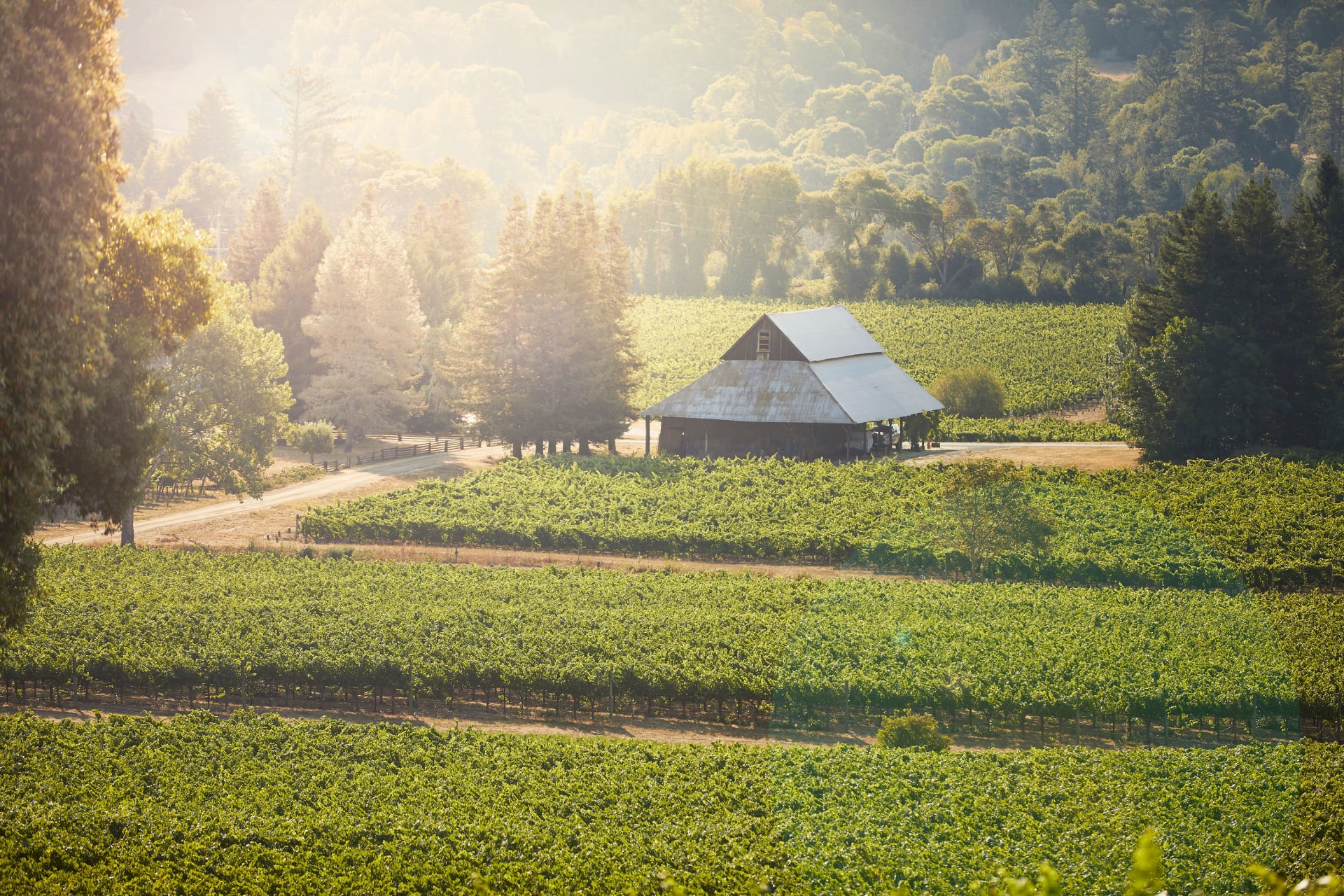



The history of Scharffenberger Cellars begins in 1981 in the heart of California's Anderson Valley. Situated only miles from the coastal influences of the Pacific Ocean, Scharffenberger Cellars also enjoys the deep soils and sunshine within the protected valley.
Originally founded by John Scharffenberger, the company has undergone many transitions, including a name change when it was formally known as Pacific Echo from 1998 until July 2004. Today, the name has been restored back to Scharffenberger Cellars under the management of Maisons Marques & Domaines.
In early 2018, Jeffrey Jindra took over the winemaking operations, bringing extensive experience acquired during his years producing wine both in California and New Zealand. Jeffrey stays true to the winery's original philosophy, to create stellar quality, delicious sparkling wines that reflect the diversity of the premier Mendocino County viticultural appellation.

What are the different types of sparkling rosé wine?
Rosé sparkling wines like Champagne, Prosecco, Cava, and others make a fun and festive alternative to regular bubbles—but don’t snub these as not as important as their clear counterparts. Rosé Champagnes (i.e., those coming from the Champagne region of France) are made in the same basic way as regular Champagne, from the same grapes and the same region. Most other regions where sparkling wine is produced, and where red grape varieties also grow, also make a rosé version.
How is sparkling rosé wine made?
There are two main methods to make rosé sparkling wine. Typically, either white wine is blended with red wine to make a rosé base wine, or only red grapes are used but spend a short period of time on their skins (maceration) to make rosé colored juice before pressing and fermentation. In either case the base wine goes through a second fermentation (the one that makes the bubbles) through any of the various sparkling wine making methods.
What gives rosé Champagne and sparkling wine their color and bubbles?
The bubbles in sparkling wine are formed when the base wine undergoes a secondary fermentation, which traps carbon dioxide inside the bottle or fermentation vessel. During this stage, the yeast cells can absorb some of the wine’s color but for the most part, the pink hue remains.
How do you serve rosé sparkling wine?
Treat rosé sparkling wine as you would treat any Champagne, Prosecco, Cava, and other sparkling wine of comparable quality. For storing in any long-term sense, these should be kept at cellar temperature, about 55F. For serving, cool to about 40F to 50F. As for drinking, the best glasses have a stem and a flute or tulip shape to allow the bead (bubbles) and beautiful rosé hue to show.
How long do rosé Champagne and sparkling wine last?
Most rosé versions of Prosecco, Champagne, Cava or others around the “$20 and under” price point are intended for early consumption. Those made using the traditional method with extended cellar time before release (e.g., Champagne or Crémant) can typically improve with age. If you are unsure, definitely consult our Customer Care team for guidance.

A large and diverse appellation within California’s North Coast AVA, Mendocino is home to several smaller sub-regions—most notably the Anderson Valley. This scenic region, with rolling hills covered in redwood forests as well as vineyards, is one of the world’s top producers of certified organically-grown grapes. Due to wide geographical and climatic variation, a vast array of wine styles can be found here.