


Winemaker Notes
Professional Ratings
-
Robert Parker's Wine Advocate
The northern Rhone-like 2005 Heart Stone Vineyard is a blend of 44% Syrah, 33% Grenache, and 23% Mourvedre. A meaty nose with roasted Provencal herbs, cassis, blackberry, licorice, and smoke emerges from this Hermitage-styled effort. Structured and firm, it will benefit from 1-2 years of bottle age, and should evolve effortlessly for a decade or more. The bottled 2005s are all performing well. One of the superstar, artisinal winemaking operations in Paso Robles is Heather and Justin Smith’s Saxum Vineyard. The Smiths are also the proprietors of the James Berry Vineyard, an exceptional hillside site planted in pure white limestone, a site that provides extraordinary richness, minerality, precision, and individuality. Like his colleague to the south, Manfred Krankl, Justin Smith has been moving from strength to strength, building more elegance and nuances into his wines without sacrificing their intrinsic intensity, purity, and richness. As for the 2006s, these wines are scheduled to be bottled slightly later than usual as Justin Smith is another producer who is instituting longer cask and pungeon agings. The 2007s tasted suggest this may be one of the finest vintages Saxum has yet produced. The wines are already spectacular, and will no doubt gain in weight, texture, and nuances over the next year.
-
Wine Enthusiast
The chocolate, cassis, cherry liqueur, licorice and smoky oak flavors are wrapped into smooth, rich, ripe tannins. Compulsively drinkable, almost a food group on its own, the wine is roughly equal parts Syrah, Grenache and Mourvedre.


With bold fruit flavors and accents of sweet spice, Grenache, Syrah and Mourvèdre form the base of the classic Rhône Red Blend, while Carignan, Cinsault and Counoise often come in to play. Though they originated from France’s southern Rhône Valley, with some creative interpretation, Rhône blends have also become popular in other countries. Somm Secret—Putting their own local spin on the Rhône Red Blend, those from Priorat often include Merlot and Cabernet Sauvignon. In California, it is not uncommon to see Petite Sirah make an appearance.
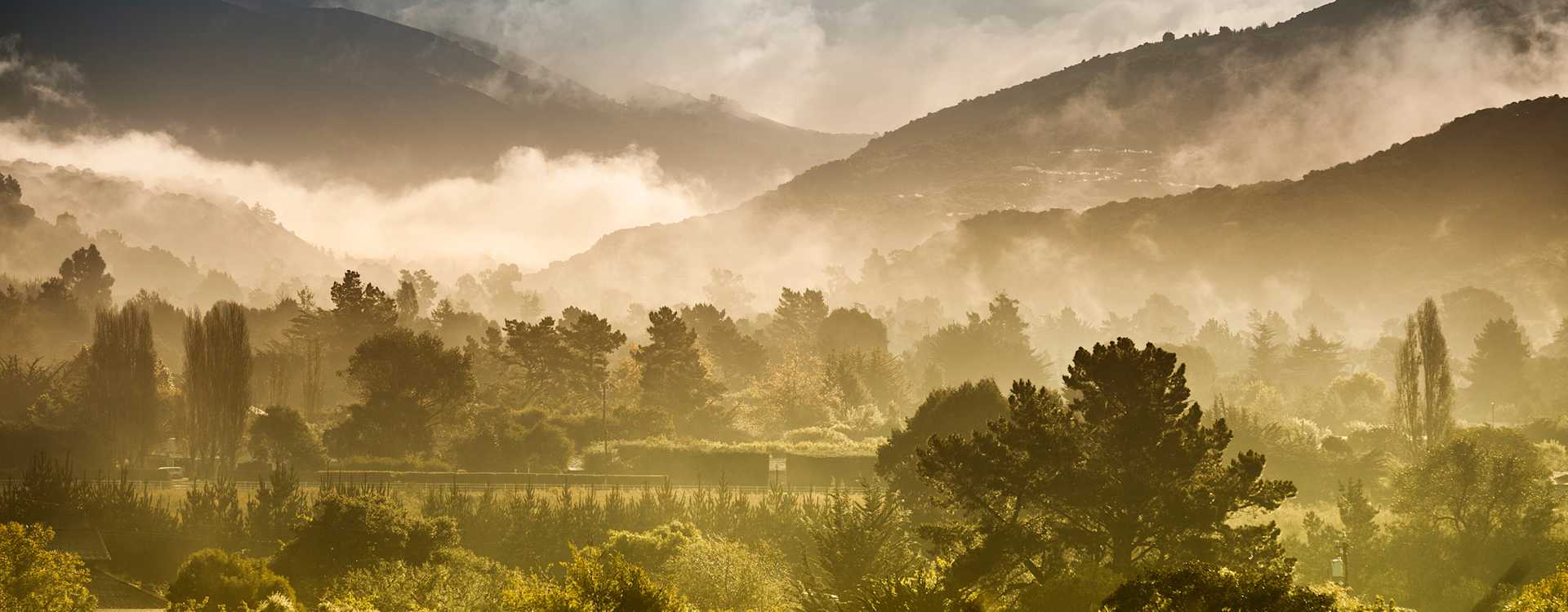
The largest and perhaps most varied of California’s wine-growing regions, the Central Coast produces a good majority of the state's wine. This vast California wine district stretches from San Francisco all the way to Santa Barbara along the coast, and reaches inland nearly all the way to the Central Valley.
Encompassing an extremely diverse array of climates, soil types and wine styles, it contains many smaller sub-AVAs, including San Francisco Bay, Monterey, the Santa Cruz Mountains, Paso Robles, Edna Valley, Santa Ynez Valley and Santa Maria Valley.
While the Central Coast California wine region could probably support almost any major grape varietiy, it is famous for a few Central Coast reds and whites. Pinot Noir, Chardonnay, Cabernet Sauvignon and Zinfandel are among the major ones. The Central Coast is home to many of the state's small, artisanal wineries crafting unique, high-quality wines, as well as larger producers also making exceptional wines.