

Winemaker Notes
Professional Ratings
-
Wine Spectator
Shows wonderful aromas of rich, chocolaty blackberry and boysenberry, with a touch of huckleberry. Dense, concentrated and sharply focused, this finishes with a long, layered,persistent aftertaste. Syrah and Grenache. Drink now through 2013.
-
Robert Parker's Wine Advocate
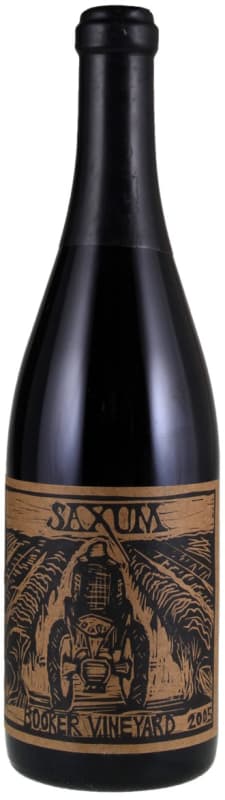
blend of 92% Syrah and 8% Grenache, the 2005 Booker Vineyard is the debut vintage of this 400-case cuvee produced from a hillside vineyard situated on the west side of Highway 101. It exhibits plenty of crushed rock, sweet black fruit, and underbrush/forest floor characteristics along with sweet tannin and a structured, muscular personality similar to a northern Rhone. Big and powerful yet precise and well-delineated, it should drink nicely for 10-15 years. The bottled 2005s are all performing well.
-
Wine Enthusiast
This new bottling from Saxum is nearly all Syrah, with a splash of Grenache. In youth, it’s dark and somewhat brooding, rich in tannins. But acidity is low, and the tannins are of the ripely sweet modern kind, so the wine is immediately drinkable. Immense in blackberry, cassis, mocha and dusty Asian spices, it’s gorgeously rich and decadent.


With bold fruit flavors and accents of sweet spice, Grenache, Syrah and Mourvèdre form the base of the classic Rhône Red Blend, while Carignan, Cinsault and Counoise often come in to play. Though they originated from France’s southern Rhône Valley, with some creative interpretation, Rhône blends have also become popular in other countries. Somm Secret—Putting their own local spin on the Rhône Red Blend, those from Priorat often include Merlot and Cabernet Sauvignon. In California, it is not uncommon to see Petite Sirah make an appearance.
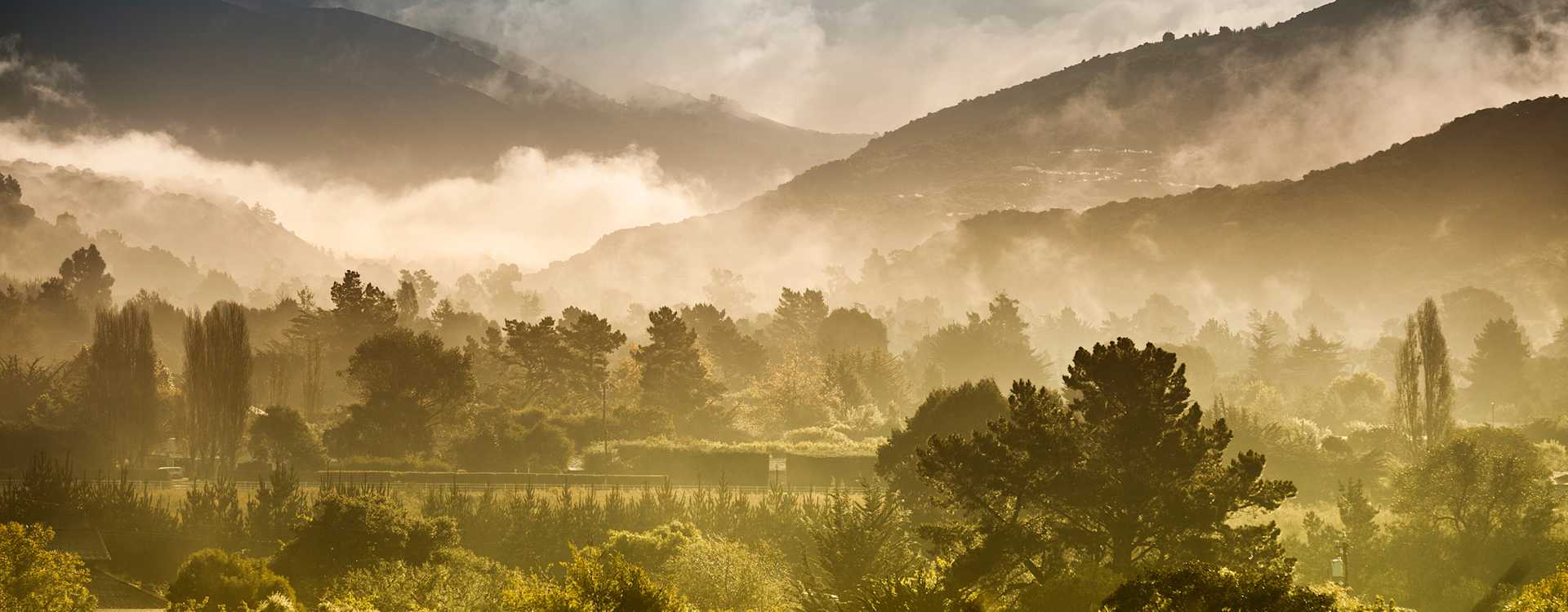
The largest and perhaps most varied of California’s wine-growing regions, the Central Coast produces a good majority of the state's wine. This vast California wine district stretches from San Francisco all the way to Santa Barbara along the coast, and reaches inland nearly all the way to the Central Valley.
Encompassing an extremely diverse array of climates, soil types and wine styles, it contains many smaller sub-AVAs, including San Francisco Bay, Monterey, the Santa Cruz Mountains, Paso Robles, Edna Valley, Santa Ynez Valley and Santa Maria Valley.
While the Central Coast California wine region could probably support almost any major grape varietiy, it is famous for a few Central Coast reds and whites. Pinot Noir, Chardonnay, Cabernet Sauvignon and Zinfandel are among the major ones. The Central Coast is home to many of the state's small, artisanal wineries crafting unique, high-quality wines, as well as larger producers also making exceptional wines.