


Winemaker Notes
2021 was another cracking white wine vintage and this release sees the Savage White reach new levels of textural lavishness and palate breadth. The aromatics are rich and expressive with multiple layers of grapefruit preserve, peach tea, green apple pastille and delicate hints of chamomile, honey and pineapple. In the mouth the wine rolls across the palate with an impressively dense glycerol weight of fruit together with the most delicious tangy mouth-watering acids. The wine spent 10 months in oak, 20% new, which adds a very attractive but subtle lick of crystallized tangerines, vanilla pod spice and a waxy liquid minerality on the finish.
Blend: 69% Sauvignon Blanc, 31% Semillon
Professional Ratings
-
Vinous
The 2021 White has no Chenin Blanc in this blend so reverts back to the Sauvignon/Semillon blend, the former from the Rupert family; a spontaneous ferment with a judicious 10-20% new 500-liter oak. It has drop dead gorgeous bouquet with yellow fruit, lanolin and peach skin, quite pithy in style with just a touch of reduction. The palate is well balanced with a lively, slightly peppery entry, the Semillon expressive and dictating the ginger-tinged finish. It just grows with aeration-an outstanding white from Duncan Savage.
-
James Suckling
Aromas of golden apples, lemons, toffee, hazelnuts and hay. Medium- to full-bodied with impressive tension. Structured and lingering with fleshy acidity cutting through. It has a chalky character with creamy finish. Drink or hold.
-
Wine Spectator
Minerally on the nose, followed by a fragrant skein of sweet smoke and baking spices threaded through glazed pineapple and tangerine fruit, pastry cream and vanilla notes. This medium-bodied white is bright and expressive, showing fine knit and a mouthwatering finish, which echoes the initial minerality. Sauvignon Blanc and Sémillon. Drink now through 2028.

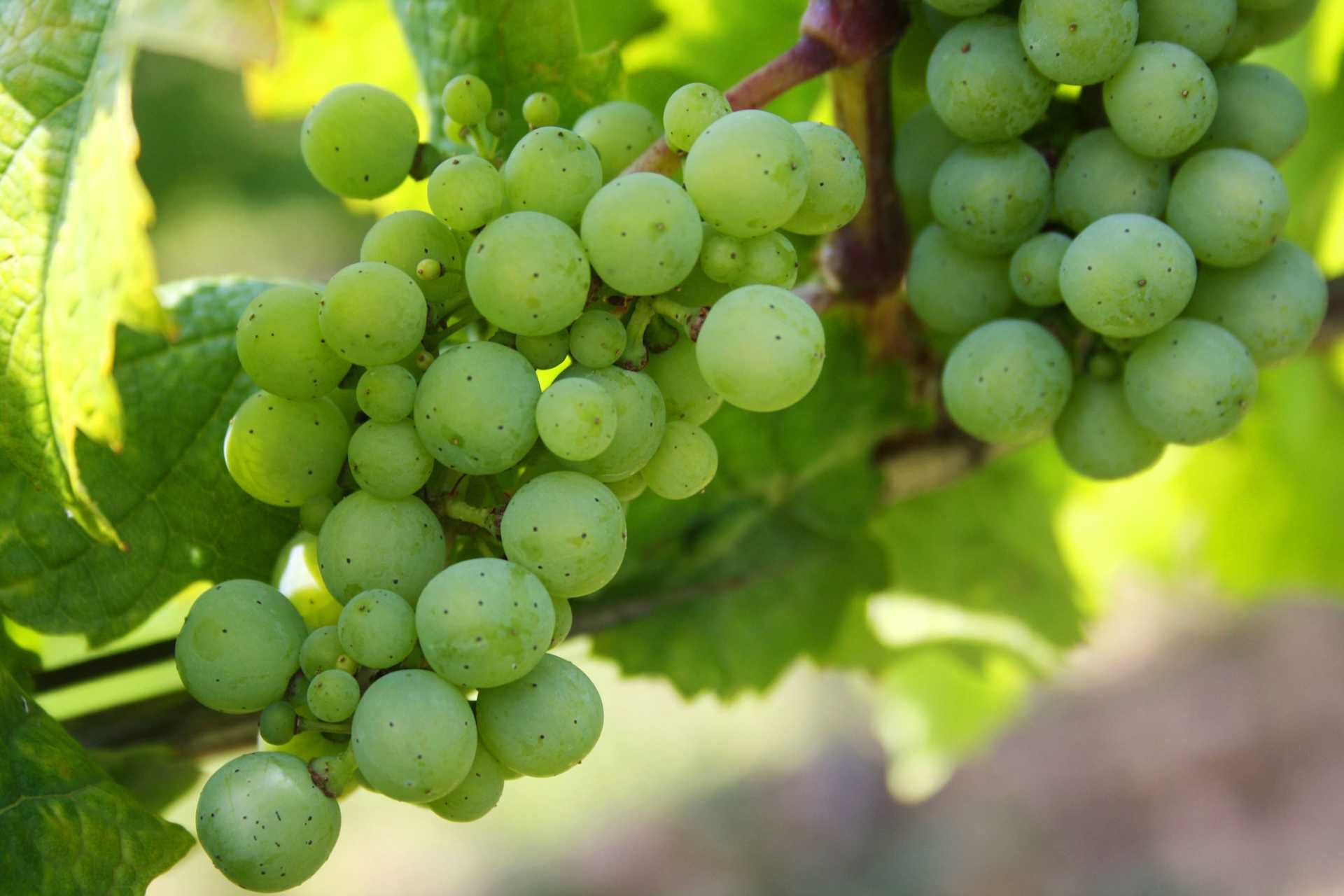
With hundreds of white grape varieties to choose from, winemakers have the freedom to create a virtually endless assortment of blended white wines. In many European regions, strict laws are in place determining the set of varieties that may be used in white wine blends, but in the New World, experimentation is permitted and encouraged. Blending can be utilized to enhance balance or create complexity, lending different layers of flavors and aromas. For example, a variety that creates a soft and full-bodied white wine blend, like Chardonnay, would do well combined with one that is more fragrant and naturally high in acidity. Sometimes small amounts of a particular variety are added to boost color or aromatics. Blending can take place before or after fermentation, with the latter, more popular option giving more control to the winemaker over the final qualities of the wine.

With an important wine renaissance in full swing, impressive red and white bargains abound in South Africa. The country has a particularly long and rich history with winemaking, especially considering its status as part of the “New World.” In the mid-17th century, the lusciously sweet dessert wines of Constantia were highly prized by the European aristocracy. Since then, the South African wine industry has experienced some setbacks due to the phylloxera infestation of the late 1800s and political difficulties throughout the following century.
Today, however, South Africa is increasingly responsible for high-demand, high-quality wines—a blessing to put the country back on the international wine map. Wine production is mainly situated around Cape Town, where the climate is generally warm to hot. But the Benguela Current from Antarctica provides brisk ocean breezes necessary for steady ripening of grapes. Similarly, cooler, high-elevation vineyard sites throughout South Africa offer similar, favorable growing conditions.
South Africa’s wine zones are divided into region, then smaller districts and finally wards, but the country’s wine styles are differentiated more by grape variety than by region. Pinotage, a cross between Pinot Noir and Cinsault, is the country’s “signature” grape, responsible for red-fruit-driven, spicy, earthy reds. When Pinotage is blended with other red varieties, like Cabernet Sauvignon, Merlot, Syrah or Pinot Noir (all commonly vinified alone as well), it is often labeled as a “Cape Blend.” Chenin Blanc (locally known as “Steen”) dominates white wine production, with Chardonnay and Sauvignon Blanc following close behind.