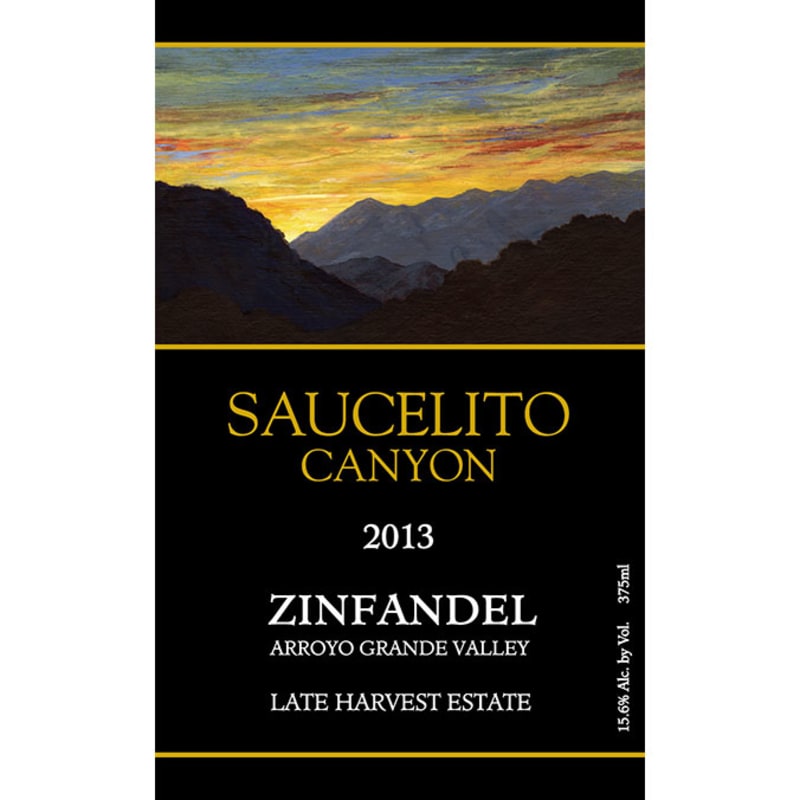

Winemaker Notes
Try this indulgent red dessert wine with likely suspects such as flourless chocolate torte or ganache filled truffles, or delight your company with a more unique match such as apricot stilton cheese and dried pears or savory shortbreads like Blue Cheese Walnut Cookies.


Apart from the classics, we find many regional gems of different styles.
Late harvest wines are probably the easiest to understand. Grapes are picked so late that the sugars build up and residual sugar remains after the fermentation process. Ice wine, a style founded in Germany and there referred to as eiswein, is an extreme late harvest wine, produced from grapes frozen on the vine, and pressed while still frozen, resulting in a higher concentration of sugar. It is becoming a specialty of Canada as well, where it takes on the English name of ice wine.
Vin Santo, literally “holy wine,” is a Tuscan sweet wine made from drying the local white grapes Trebbiano Toscano and Malvasia in the winery and not pressing until somewhere between November and March.
Rutherglen is an historic wine region in northeast Victoria, Australia, famous for its fortified Topaque and Muscat with complex tawny characteristics.
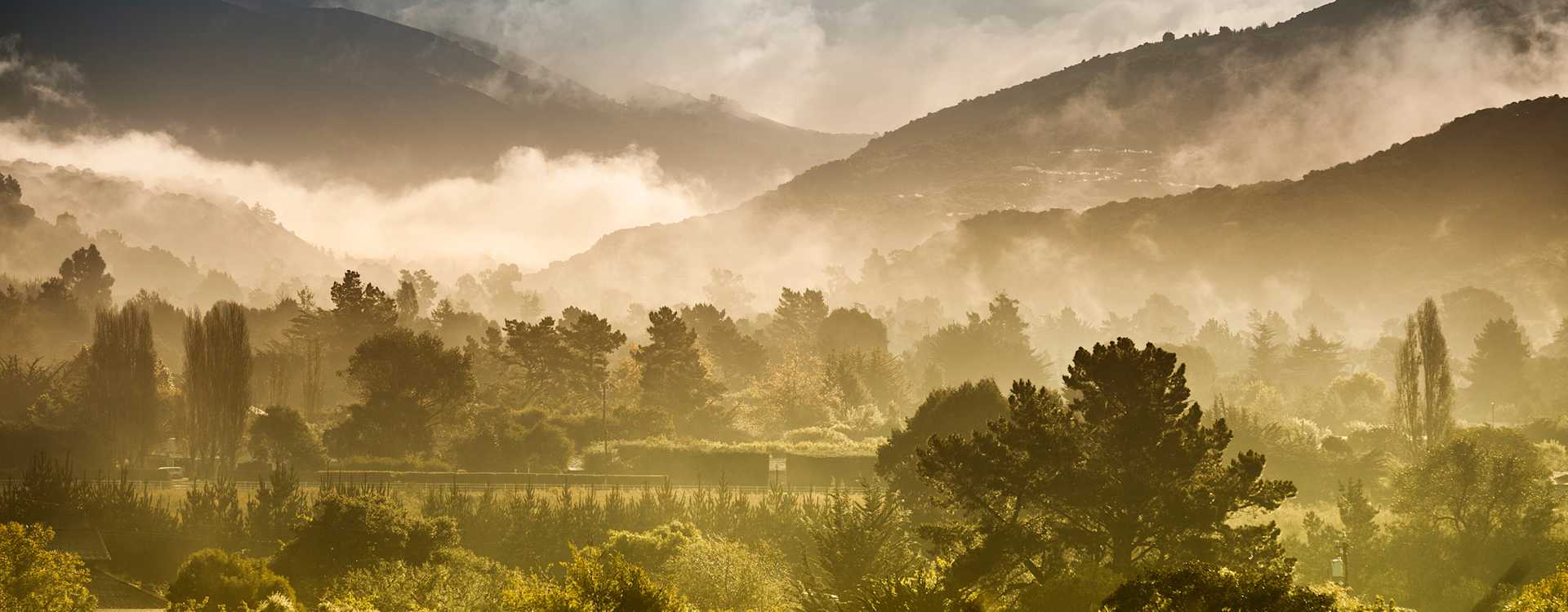
One of the coolest growing areas in California, the Arroyo Grande Valley runs from the southwest to the northeast, just a few miles from the Pacific Ocean and is part of the Central Coast AVA. Situated so that cold Pacific Ocean air and fog is allowed to filter into the valley, Arroyo Grande also has an incredibly long growing season. Bud break occurs in February in most years with flowering in May and harvest in late September; the area is classified as cool Mediterranean.
These weather factors combined with the soil types—continental and marine rocks, greywacke, limestone, shale and volcanic—create wines with great concentration and fresh acidity. The cooler end of the valley is perfect for Chardonnay, Pinot Noir, and is a good producer of sparkling wines. The warmer, more inland part of the valley is home to some of California’s oldest Zinfandel vines.