


Winemaker Notes
Saracco Pinot Noir combines the traditional delicate bouquet of red berries and a velvety taste with good acidity, round body, complex structure and high persistence on the palate.
Professional Ratings
-
James Suckling
This medium- to full-bodied, spicy pinot noir has notes of cloves, cherries, nutmeg and cocoa beans. It’s firm and well-framed with lingering dried-spice notes. Try in 2025.
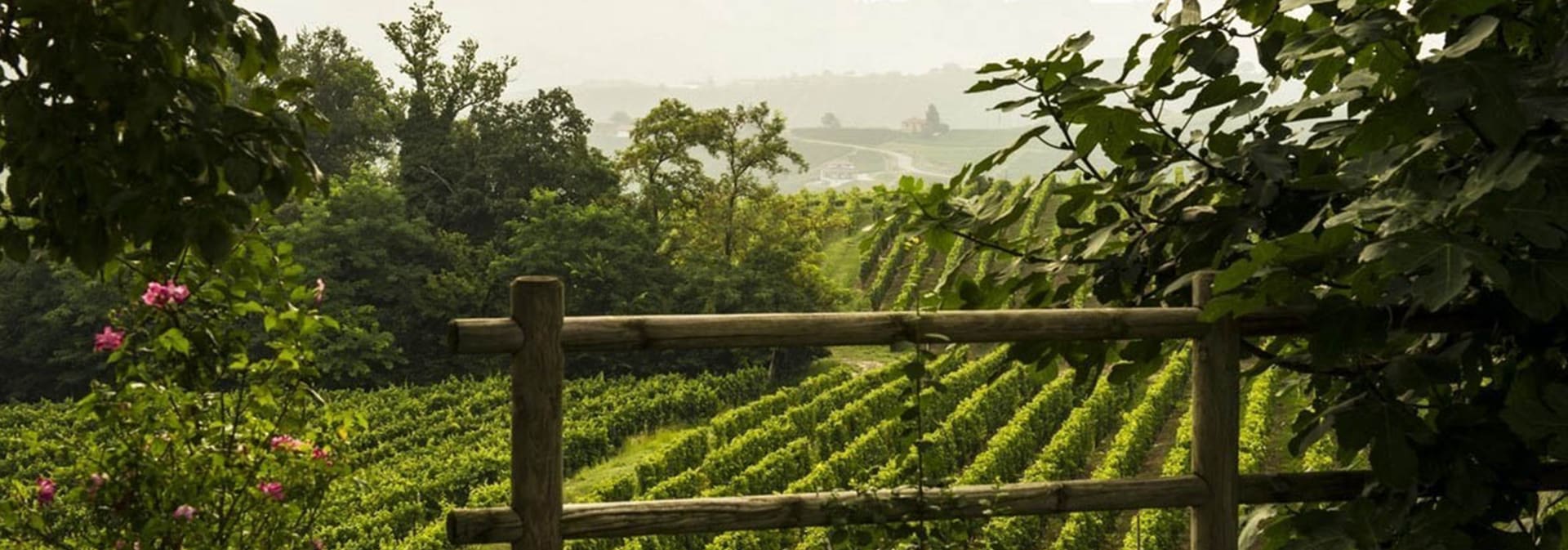




Saracco is located in the small village of Castiglione Tinella, in Asti, in the heart of the Langhe, in Piedmont, Italy The Langhe is known as the land of great Nebbiolo wines like Barolo and Barbaresco but it is also home to the Muscat Bianco Canelli grape that produces Moscato d’Asti. Upon graduating enology school, Paolo Saracco told his father that he wanted to stop selling their grapes as he had been doing, and produce a namesake Moscato wine. His father was very reluctant but eventually realized that his son was on to something. Paolo created the quality Moscato category in the US market, was named the “Maestro of Moscato” by wine writer Antonio Galloni in 2011 and has gone on to receive the highest and most consistent over 90 point scores from the top wine publications for the past 10 vintages.
Saracco Moscato is always the first wine of the vintage to arrive into the market, released in late November of the same year. It is harvested in late August, vinified in stainless and is ready for bottling a few months later. He bottles weekly so the consumer is always getting the freshest wine. While other producers in the area make Moscato, they are primarily red wine focused and Moscato is a very small segment of their overall production. Paolo is 100% dedicated to making Moscato and has earned the following of consumers world- wide, including hip hop celebrities who have rapped about Saracco Moscato in their songs. And, if you can hold on to a bottle for your cellar, it ages beautifully – contrary to common beliefs.

Attracting the most glory, prestige and fame to the Piedmont region, Nebbiolo in all of its expressions—Barolo, Barbaresco, Roero, Ghemme and Gattinara—creates a complex wine, truly unique for its delicate qualities combined with strength and a great potential to improve over time.
But Nebbiolo isn’t all there is to red wine from Piedmont! Barbera is the most planted variety and historically most popular as a dependable, food-friendly, everyday wine.
Beyond these two, a surprising number of red varieties call Piedmont their home. Worth a try include Dolcetto for its bold concentration and aromas of spice cake. Other grapes to investigate include Freisa, Croatina, Brachetto, Grignolino and Pelaverga.