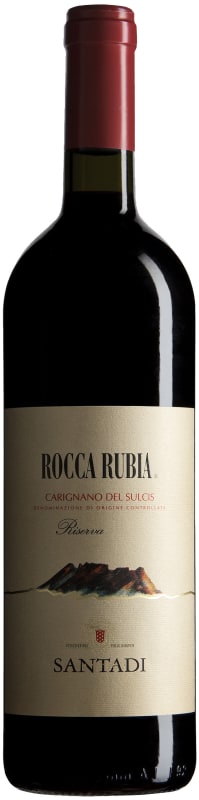


Winemaker Notes
Almost impenetrable ruby red color and intense fruity notes of blackberry, blueberry, vanilla, myrtle, leather and licorice on the nose. Ample, velvety palate with excellent structure, and a lengthy aromatic finish; full-bodied.
Pair this wine with red meat, wild boar, roasted pork and aged Sardinian Pecorino cheese.
Professional Ratings
-
James Suckling
Big black fruit with just a hint of bitter chocolate, this is a ripe and dynamic carignano that has a lot of depth and a very solid tannin structure that gives the long finish a lot of drive. Drink or hold.
-
Robert Parker's Wine Advocate
This beautiful wine shows extra exuberance, richness and texture in this vintage. The 2015 Carignano del Sulcis Riserva Rocca Rubia is aged in barrique for 12 months. Between the warmth and cheerful sunshine of the vintage, plus the extra toast and spiciness you get from the oak regime, this pretty offering shows the volume and character to pair with roast lamb or pork. To those savory dishes, this wine will add cherry and wild berry fruit with grilled rosemary and other herbs followed by tar and tobacco. This is not a full-flown, full-bodied wine, but it almost is. Production is significant with 600,000 bottles made. Rating: 92+
-
Wine Spectator
Baking spice and aromatic smoke notes accent the kirsch, fig cake and cherry pit flavors in this medium- to full-bodied red, with plush, well-knit tannins. Not a powerhouse, but shows good focus and balance throughout. Drink now through 2024.


Responsible for some of the most stunning old vine red wine on the planet, Carignan has an amazing capacity to survive dry, arid climates and still produce lovely, mouthwatering wine. In Spain it goes by the name of Mazuelo or Cariñena and while it may have originated there in the province of Aragón, its popularity lies elsewhere, particularly in Languedoc-Roussillon. Somm Secret—Historically Carignan did not enjoy the respect that it does today. In the mid 20th century, Carignan covered nearly 140,000 ha in Algeria, where it was made into low quality bulk and blending wine to supply mass-market demand.

Hailed for centuries as a Mediterranean vine-growing paradise, multiple cultures over many centuries have ruled the large island of Sardinia. Set in the middle of the Tyrrhenian Sea, the Phonoecians, Ancient Rome, and subsequently the Byzantines, Arabs and Catalans have all staked a claim on the island at some point in history. Along the way, these inhabitants transported many of their homeland’s prized vines and today Sardinia’s modern-day indigenous grape varieties claim multiple origins. Sardinia’s most important red grapes—namely Cannonau (a synonym for Grenache) and Carignan—are actually of Spanish origin.
Vermentino, a prolific Mediterranean variety, is the island’s star white. Vermentino has a stronghold the Languedoc region of France as well as Italy’s western and coastal regions, namely Liguria (where it is called Pigato), Piedmont (where it is called Favorita) and in Tuscany, where it goes by the name, Vermentino. The best Vermentino, in arguably all of the Mediterranean, grows in Sardinia's northeastern region of Gallura where its vines struggle to dig roots deep down into north-facing slopes of granitic soils. These Vermentino vines produce highly aromatic, full and concentrated whites of unparalleled balance.
Today aside from its dedication to viticulture, Sardinia remains committed to maintaining its natural farmlands, bucolic plains of grazing sheep and perhaps most of all, its sandy, sunny, Mediterranean beaches.