
Winemaker Notes
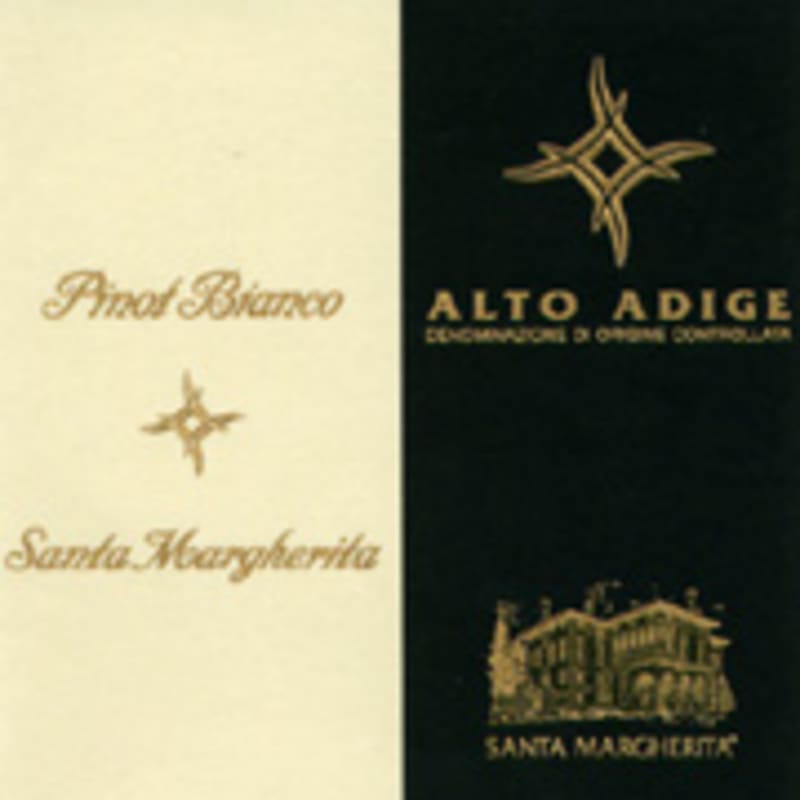
Santa Margherita Pinot Bianco is delicate and delectable, possessing fruity aromas of golden delicious apples and acacia flowers. Whether enjoyed with the main course or as an aperitif, Pinot Bianco embodies Santa Margherita's dedication to producing wines that accentuate the gastronomy of America's finest chefs.
Straw yellow with greenish reflections.
Golden delicious apples and acacia flowers.
The high levels of extract and moderate acidity make Santa Margherita Pinot Bianco ideal for the dining table. Culinary recommendations include fish and seafood such as swordfish or tuna, shrimp cocktail, grilled fish or seafood risotto. It also pairs nicely with mild meats such as pork, veal and roasted poultry.





In 1935 Count Gaetano Marzotto led the revitalization of a portion of the Venetian countryside. Here, where rivers from the alps cut through the sun-drenched hills on their winding way to the Mediterranean shore, he created farmlands and restored traditional wine-making in what had been a region of fine vineyards since the time of the Roman Empire. Employing new agricultural techniques and a commitment to the needs of the Italian people, Count Marzotto gave this labor of love the name of his dear wife Margherita. The illustration on the label is the historical Marzotto home, Villa Marzotto; which was subsequently donated back to the town of Portogruaro, about an hour outside of Venice. Steeped in a history of making Prosecco as far back as 1952, Santa Margherita gained its iconic status after 1961, when it was among the first Italian wineries to vinify Pinot Grigio as a monovarietal, and off the copper-colored skins; thereby enhancing the freshness of the fruit and bringing out the wine’s enormous versatility. Since then, Santa Margherita has grown to encompass vineyards across Italy, from Veneto to Tuscany, producing distinctive, authentic wines of deep tradition and regional character. Their wines are crafted for the evolving tastes of today’s fine wine lovers, and they invite you to pair the moments, people and food in your life with the Pinot Grigio they made famous, their brilliant Prosecco, their complex Chianti Classico Riserva or their delicate Sparkling Rosé.
At Santa Margherita, they’re wine people; they are passionate about wine because they are passionate about people and the extraordinary experiences they live. What defines an extraordinary experience? It can be as simple as watching the sun set from your favorite chair as you unwind after a long day, as fulfilling as a great afternoon with friends that lasts well into the evening, and as unforgettable as the first time you locked eyes and realized it was going to be forever. These experiences define the joy of your life, and the wine you choose should live up to them. Their rich heritage rooted in quality winemaking is what makes Santa Margherita the wine worthy of every memorable experience. Why settle for anything less?
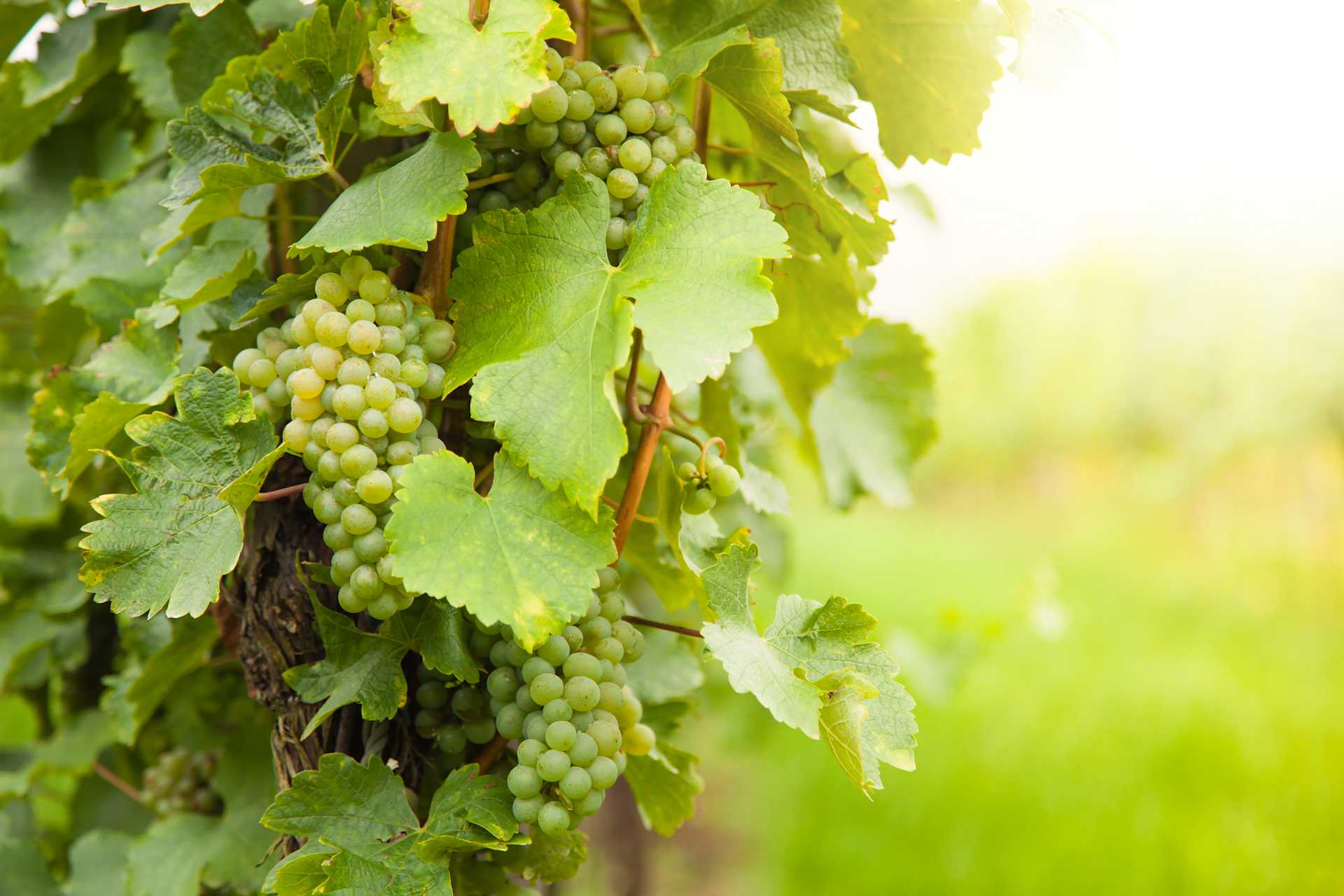
Approachable, aromatic and pleasantly plush on the palate, Pinot Blanc is a white grape variety most associated with the Alsace region of France. Although its heritage is Burgundian, today it is rarely found there and instead thrives throughout central Europe, namely Germany and Austria, where it is known as Weissburgunder and Alto Adige where it is called Pinot Bianco. Interestingly, Pinot Blanc was born out of a mutation of the pink-skinned Pinot Gris. Somm Secret—Chardonnay fans looking to try something new would benefit from giving Pinot Blanc a try.
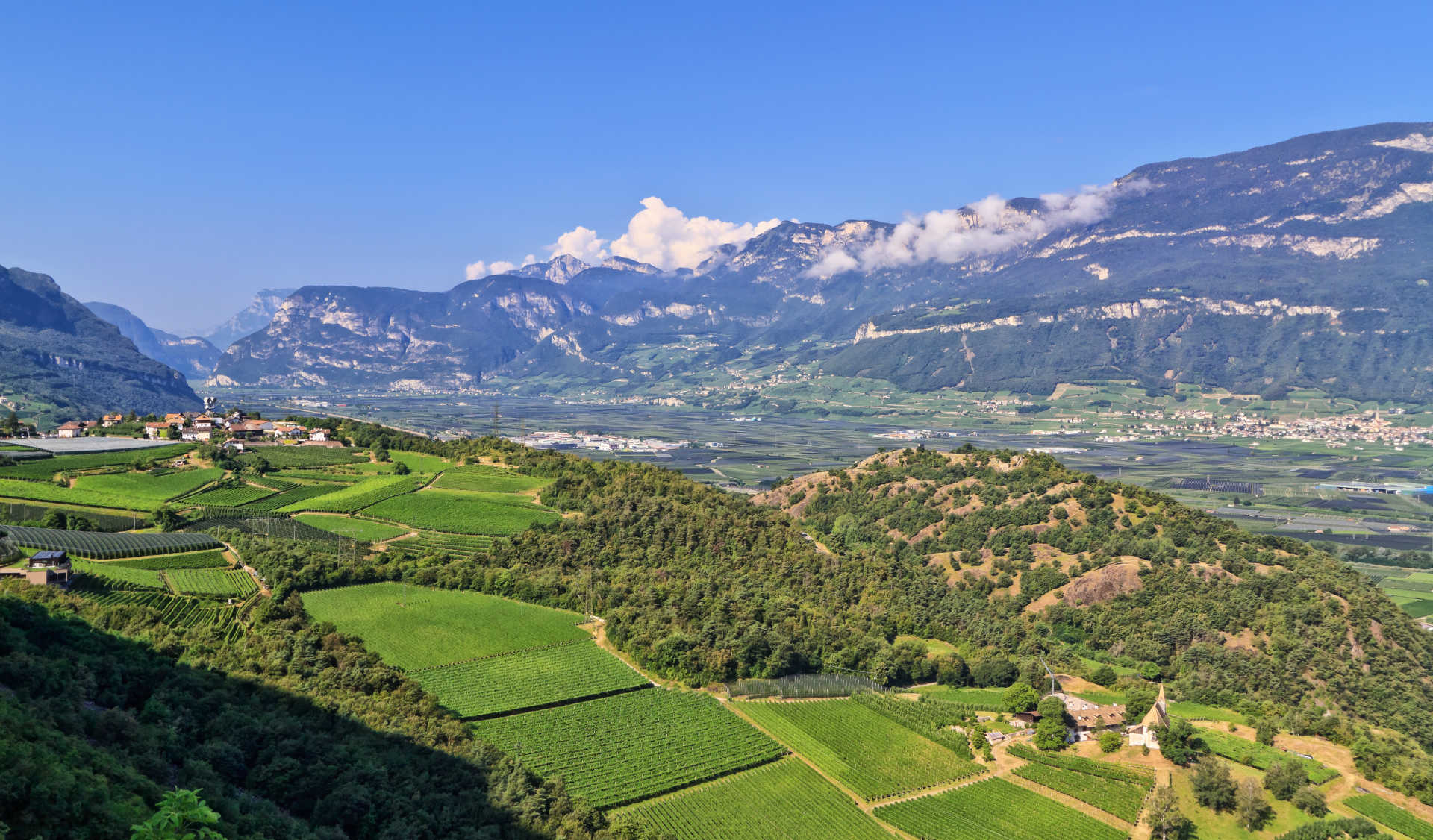
A mountainous northern Italian region heavily influenced by German culture, Trentino-Alto Adige is actually made up of two separate but similar regions: Alto Adige and Trentino.
Trentino, the southern half, is primarily Italian-speaking and largely responsible for the production of non-native, international grapes. There is a significant quantity of Chardonnay, Pinot Grigio and Merlot produced. But Trentino's native and most unique red variety, Teroldego, while still rare, is gaining popularity. It produces a deeply colored red wine rich in wild blackberry, herb, coffee and cocoa.
The rugged terrain of German-speaking Alto Adige (also referred to as Südtirol) focuses on small-scale viticulture, with great value placed on local varieties—though international varieties have been widely planted since the 1800s. Sheltered by the Alps from harsh northerly winds, many of the best vineyards are at extreme altitude but on steep slopes to increase sunlight exposure.
Dominant red varieties include the bold, herbaceous Lagrein and delicate, strawberry-kissed, Schiava, in addition to some Pinot Nero.
The primary white grapes are Pinot grigio, Gewürztraminer, Chardonnay and Pinot blanc, as well as smaller plantings of Sauvignon blanc, Müller Thurgau. These tend to be bright and refreshing with crisp acidity and just the right amount of texture. Some of the highest quality Pinot grigio in Italy is made here.