


Winemaker Notes
Yellow of medium intensity and greenish reflections. Stands out for its muscat aromas. It presents aromas of white fruits such us peaches, rose petals, jasmine and geraniums. At the finish, citrus aromas of lemon peel can be appreciated. Refreshing and bold acidity, with medium intensity and a long and citrusy finish.
Professional Ratings
-
James Suckling
A very perfumed nose with honeysuckle, melon, herbal tea and dried peaches. A hint of ginger. A round, medium-bodied torrontes with fresh, medium acidity and a supple palate. Flavorful, textured and pretty substantial. Slightly phenolic finish. Quite long.
-
Robert Parker's Wine Advocate
The 2022 La Oveja Natural was produced with Torrontés Riojano from Maipú, fermented with some skins, a way of protecting the wine as it was bottled without any added sulfur. It's not your typical Torrontés; it does have some floral notes but comes through as fruit-driven, with notes of apples and herbs and a clean note of mandarin peel, reminiscent of some young and tender wines from Jura. Surprisingly, it has 14% alcohol, because the variety ripens well, and a little more alcohol also give stability to the wines. It has very good freshness, despite all this natural range being put through malolactic also for stability. This range has grown a lot, especially in some markets.
Rating: 91+





Bodega Santa Julia was created in honor of Julia Zuccardi, part of the third generation of leaders from the Zuccardi Family. The Santa Julia winery represents the family’s commitment to producing the highest quality wines through sustainable practices that protect the environment and uplift the local community. For Julia, and the Zuccardi Family, sustainability is not just about working in harmony with the environment, rather it is a comprehensive approach that supports the land, the farmers, and the overall health of the local community in terms of educational, physical, and financial health. Julia, alongside her grandmother, Emma, continue to enrich their local community by providing childcare and schooling for their employees’ children, adult education programs, access to computer labs, and health and fitness centers to sustain physical and mental health. Sustainable practices include organic farming, compost production, bottling in lightweight glass, and solar power in the winery. With Santa Julia in your glass, you are assured to be drinking a high quality wine which respects the land, and supports the families who diligently tend to the vines.
Bodega Santa Julia is the first winery in Argentina to achieve a Fair for Life certification.

Unapologetically fun and distinctively fragrant, Torrontés is regarded as the signature white grape of Argentina. In many ways it bears a striking resemblance to Muscat (and in fact is an offspring of Muscat of Alexandria). Sommelier Secret—If you’re in search of a new summer sipper, look no further than Torrontés. These wines are always inexpensive, delightfully refreshing and are best enjoyed in the sunny outdoors at a picnic, poolside or on the porch.

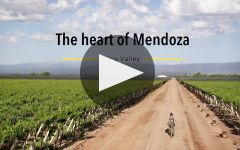
By far the largest and best-known winemaking province in Argentina, Mendoza is responsible for over 70% of the country’s enological output. Set in the eastern foothills of the Andes Mountains, the climate is dry and continental, presenting relatively few challenges for viticulturists during the growing season. Mendoza, divided into several distinctive sub-regions, including Luján de Cuyo and the Uco Valley, is the source of some of the country’s finest wines.
For many wine lovers, Mendoza is practically synonymous with Malbec. Originally a Bordelaise variety brought to Argentina by the French in the mid-1800s, here it found success and renown that it never knew in its homeland where a finicky climate gives mixed results. Cabernet Sauvignon, Syrah, Merlot and Pinot Noir are all widely planted here as well (and sometimes even blended with each other or Malbec). Mendoza's main white varieties include Chardonnay, Torrontés, Sauvignon Blanc and Sémillon.