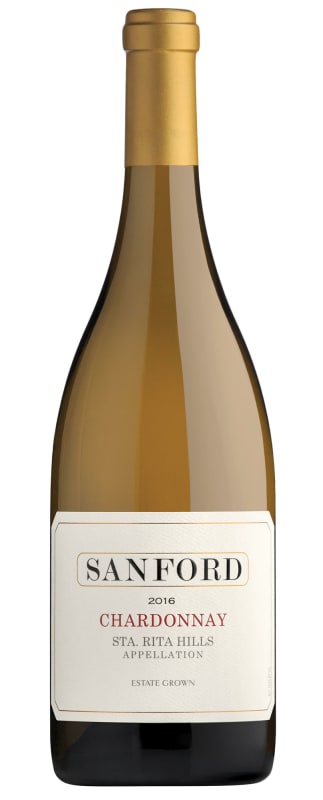


Winemaker Notes
Professional Ratings
-
Jeb Dunnuck
The largest production cuvée is the 2016 Chardonnay, a fresh, lively, classic wine. Hints of lemon, tart citrus, and pineapple, medium body, juicy acidity, and beautiful purity of fruit all make for a Chardonnay that over-delivers.
-
Wine Enthusiast
Smoked hazelnut and rich oak aromas are cut by whiffs of lemon rind, citrus spray, chalk and Asian pear on the nose of this appellation blend. The palate offers both sharp citrus and rounded apple flavors.
-
Wine Spectator
Focused and minerally tasting, with subtle toasty notes to the pear tart, baked apple and dried tropical fruit flavors, supported by fresh acidity. Offers a long, spicy finish. Drink now through 2022.


One of the most popular and versatile white wine grapes, Chardonnay offers a wide range of flavors and styles depending on where it is grown and how it is made. While it tends to flourish in most environments, Chardonnay from its Burgundian homeland produces some of the most remarkable and longest lived examples. California produces both oaky, buttery styles and leaner, European-inspired wines. Somm Secret—The Burgundian subregion of Chablis, while typically using older oak barrels, produces a bright style similar to the unoaked style. Anyone who doesn't like oaky Chardonnay would likely enjoy Chablis.
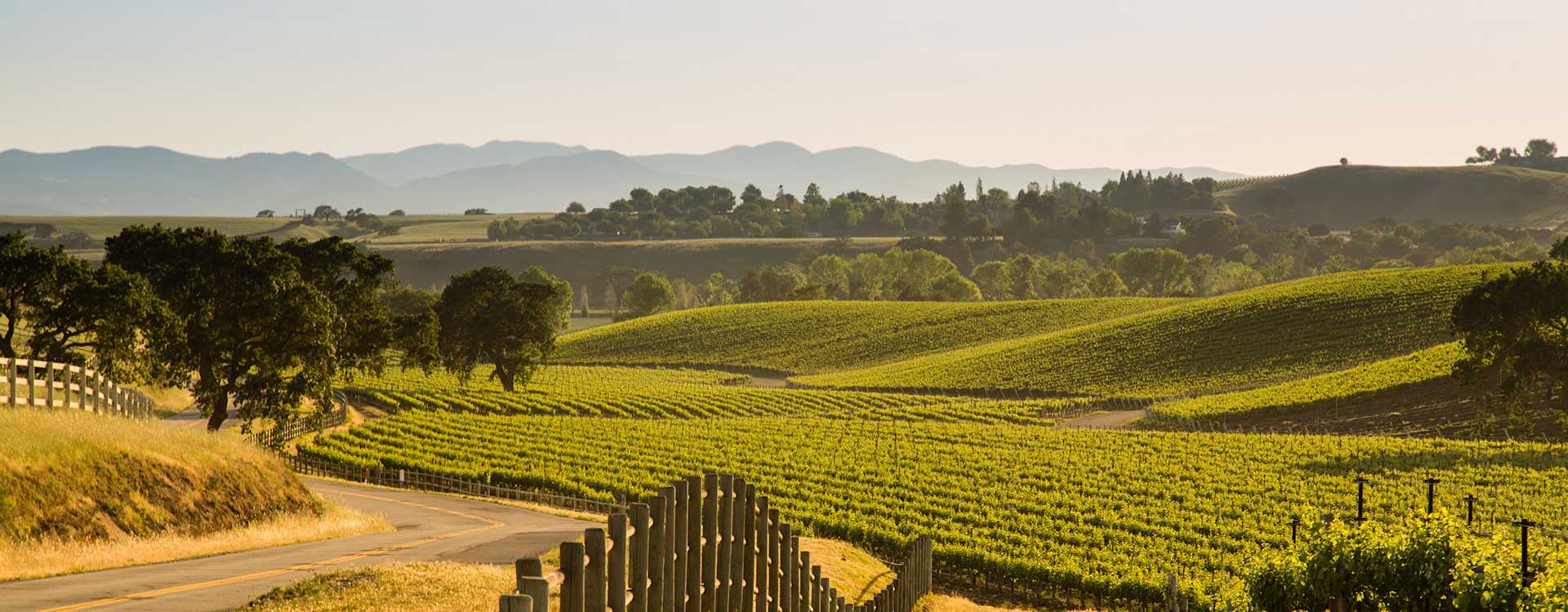
A superior source of California Chardonnay and Pinot Noir, Sta. Rita Hills is the coolest, westernmost sub-region of the larger Santa Ynez Valley appellation within Santa Barbara County. This relatively new AVA is unquestionably one to keep an eye on.
The climate of Sta. Rita Hills is a natural match for Chardonnay and Pinot noir, thanks to the crisp ocean breezes and well-drained, limestone-rich calcareous soil. Here, grapes ripen just enough, while retaining brisk acidity and harmonious balance.