


Winemaker Notes
The palate is one of balanced fruits and well-defined, muscular structure. The cool fall nights allowed the development of the excellent acidity and ripened the tannins slowly and fully. The finish shows the powerful, ripe tannins which frame and support the fruit. The wine gives great pleasure now but will improve with 4-6 years in bottle.
Professional Ratings
-
Jeb Dunnuck
The 2015 Barolo Aleste was also tasted at the estate alongside the 2021 vintage and is an incredible wine at this moment. While I occasionally find some wines from 2015 to be heavier than I prefer, this one showcases fantastic balance in its depth and expressive personality. It reveals raspberry, cherry liqueur, fresh leather, porcini, sweet spice, and tobacco aromas. The palate is expansive, awakens the senses, and possesses profound depth as well as freshness, making it an excellent choice.
-
Wine Enthusiast
Woodland berry, iris, menthol and star anise aromas slowly take shape on this elegantly structured, savory red. Enveloping and delicious, the focused palate delivers raspberry compote, dried black cherry, licorice and cinnamon alongside polished, fine-grained tannins. Fresh acidity lends tension and keeps it balanced. Drink 2020–2030.
-
Robert Parker's Wine Advocate
There is more purple and black fruit in the 2015 Barolo Aleste compared to past vintages from Luciano Sandrone and also fewer of those floral accents that characterize the Cannubi Boschis where this fruit comes from. All the same, the bouquet comes off equally as intense and as generous as ever, if not more so. This wine also seems ready from an aromatic point of view, even if it needs some extra time to reverberate in the mouth. It is compact and firm, with good, meaty fruit, and it's refreshingly expansive in scope.
-
James Suckling
Aromas of dried flowers and sweet berries follow through to a full body, very firm and chewy tannins and a long, flavorful finish. Reserved and tight.
-
Wine Spectator
Rose and juniper aromas lead off, settling this red into pure flavors of floral, cherry, strawberry, sun-warmed hay, licorice and mineral. Linear and firm, yet classy and elegant, this tightens up on the finish. Best from 2023 through 2043.
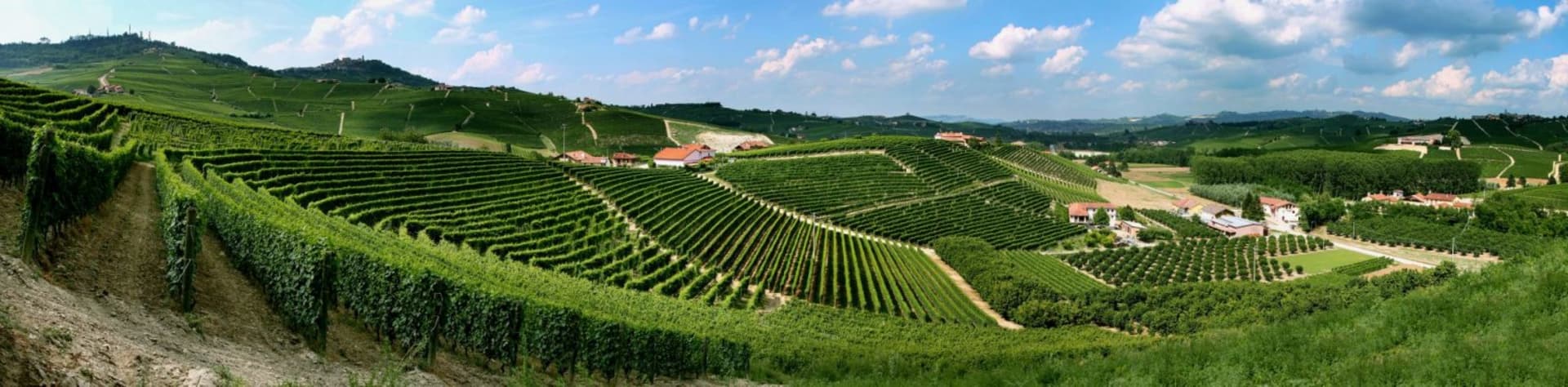


Luciano Sandrone is one of the most iconic producers in Barolo, and his is both a well known and extraordinary story. He started to learn viticulture at the age of 14 or 15, and after years of work as a cellarman he depleted his life savings and purchased his first vineyard on the Cannubi hill in 1977, though he could only manage his land on the weekends while he continued to work. He made his first vintage in 1978, in the garage of his parents, and then spent years refining his ideas about how to make a wine of distinction and utmost quality that respected the traditions of Barolo while incorporating new ideas and understanding about viticulture and vinification. He made every vintage until 1999 at home, until the winery he constructed in 1998 was ready for use.
Sandrone's wines are sometimes described as straddling the modern and traditional styles in the region: elegant, attractive and easy to appreciate right from their first years in bottle, but with no less power and structure than traditional Barolos. Along with the extremely low yields in the vineyard and an obsessive attention to training, pruning and harvesting, Sandrone has a very rational approach in the cellar. This approach, however, is also unique and outside of simple classification: Sandrone subjects his wines to medium-length maceration period, shorter than traditional, but makes limited use of new oak in the maturation process, which takes place in 500 liter tonneaux, all signs of a more traditional approach in the cellar. The entire range of wines, all limited in production, are jewels of impeccably balanced concentration and precision, and the ability to age for long periods of time.

Responsible for some of the most elegant and age-worthy wines in the world, Nebbiolo, named for the ubiquitous autumnal fog (called nebbia in Italian), is the star variety of northern Italy’s Piedmont region. Grown throughout the area, as well as in the neighboring Valle d’Aosta and Valtellina, it reaches its highest potential in the Piedmontese villages of Barolo, Barbaresco and Roero. Outside of Italy, growers are still very much in the experimentation stage but some success has been achieved in parts of California. Somm Secret—If you’re new to Nebbiolo, start with a charming, wallet-friendly, early-drinking Langhe Nebbiolo or Nebbiolo d'Alba.

The center of the production of the world’s most exclusive and age-worthy red wines made from Nebbiolo, the Barolo wine region includes five core townships: La Morra, Monforte d’Alba, Serralunga d’Alba, Castiglione Falletto and the Barolo village itself, as well as a few outlying villages. The landscape of Barolo, characterized by prominent and castle-topped hills, is full of history and romance centered on the Nebbiolo grape. Its wines, with the signature “tar and roses” aromas, have a deceptively light garnet color but full presence on the palate and plenty of tannins and acidity. In a well-made Barolo wine, one can expect to find complexity and good evolution with notes of, for example, strawberry, cherry, plum, leather, truffle, anise, fresh and dried herbs, tobacco and violets.
There are two predominant soil types here, which distinguish Barolo from the lesser surrounding areas. Compact and fertile Tortonian sandy marls define the vineyards farthest west and at higher elevations. Typically the Barolo wines coming from this side, from La Morra and Barolo, can be approachable relatively early on in their evolution and represent the “feminine” side of Barolo, often closer in style to Barbaresco with elegant perfume and fresh fruit.
On the eastern side of the Barolo wine region, Helvetian soils of compressed sandstone and chalks are less fertile, producing wines with intense body, power and structured tannins. This more “masculine” style comes from Monforte d’Alba and Serralunga d’Alba. The township of Castiglione Falletto covers a spine with both soil types.
The best Barolo wines need 10-15 years before they are ready to drink, and can further age for several decades.