


Winemaker Notes
Blend: 95% Sangiovese, 5% Canaiolo
Professional Ratings
-
Robert Parker's Wine Advocate
The certified organic San Giusto a Rentennano 2020 Chianti Classico is a clever blend of 90% Sangiovese and 5% Canaiolo from a unique growing site in Gaiole in Chianti. This vintage absolutely stands out thanks to its ample and generous fruit profile, driven by a warm and sunny vintage. This sees steel, cement and oak. The wine travels over the palate with an elegant and velvety texture.
-
Wine & Spirits
This Gaiole estate sits near the southern tip of the Chianti Classico zone, on open rolling hills that are within sight of the towers of Siena. The vineyards stretch across several soil types, some dominated by marine sands, others with more clay. Winemaker Luca Martini di Cigali blends sangiovese and five percent of canaiolo from these different soils to make a wine with palate-saturating flavors of ripe cherry and orange peel framed by fine, sandpapery tannins. There’s an inner brightness that infuses the wine, driving the flavors even as the wine shows plenty of heft and body.
-
Jeb Dunnuck
The dark ruby 2020 Chianti Classico is ripe with aromas of black raspberry coulis, red flowers, sweet tobacco, and pine. Elegant and medium-bodied, it fills the palate with supple texture, fine tannins, and an even, well-balanced finish. This is a highly approachable wine that I would be fighting to pour by the glass if I were still running a wine program. Pure, classic, and balanced. Rating: 92+
-
Wine Spectator
A dense red, with solid tannins and lively acidity supporting expressive cherry, raspberry, iron and earth flavors. Balanced, long and will benefit from food or another year or two of bottle age. Sangiovese and Canaiolo. Drink now through 2028.

Italian Red Wine
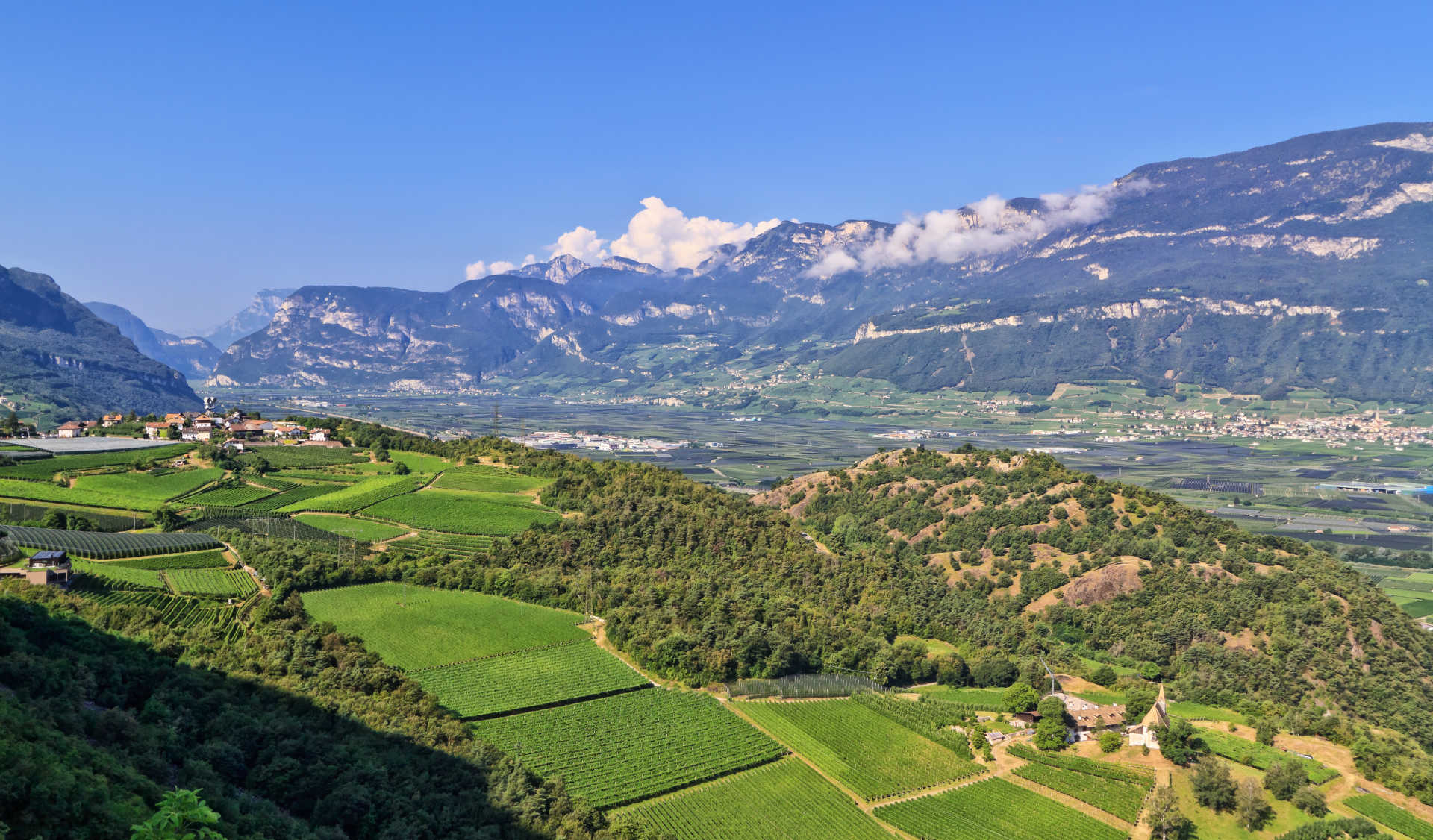
While picturesque hillsides, endless coastlines and a favorable climate serve to unify the grape-growing culture of this country. The apparent never-ending world of indigenous grape varieties gives Italy an unexampled charm and allure for its red wines. From the steep inclines of the Alps to the sprawling, warm, coastal plains of the south, red grape varieties thrive throughout.
The kings of Italy, wines like Barolo and Barbaresco (made of Nebbiolo), and Chianti and Brunello di Montalcino (made of Sangiovese), as well as Amarone (mostly Corvina), play center stage for the most lauded, collected and cellar-worthy reds. Less popular but entirely deserving of as much praise are the wines made from Aglianico, Sagrantino and Nerello Mascalese.
For those accustomed to drinking New World reds, the south is the place to start. Grapes like Negroamaro or Primitvo from Puglia and Nero d’Avola from Sicily make soft, ammicable, full-bodied, fruit-dominant wines. Curious palates should be on the lookout for Cannonau (Grenache), Lagrein, Teroldego, Ruché, Freisa, Cesanese, Schiopettino, Rossese and Gaglioppo to name a few.