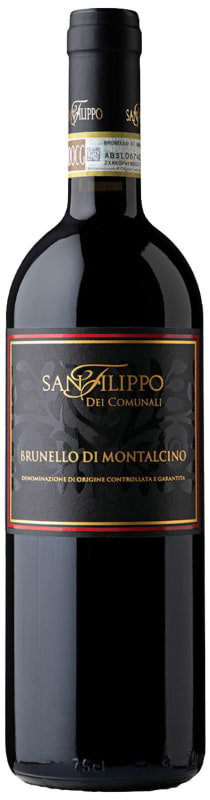


Winemaker Notes
The color is ruby red with a slight tendency to garnet. The nose is intense and complex, spicy, with dominant notes of Amarena cherry. The olfactory phase continues on the palate. The flavor is full, harmonious and persistent, with dense and silky tannins.
Professional Ratings
-
James Suckling
Intense, spicy and flavorful with aromas of currants, sage, dried orange, spearmint and bark. It’s full-bodied with sleek and well-integrated tannins. Subtle herbal touch lending freshness. Lots of character. Drink from 2024.
-
Robert Parker's Wine Advocate
The 2018 Brunello di Montalcino reveals a bright and pretty entry to the palate with red and purple fruits. It shows varietal acidity with a medium-bodied texture. The mouthfeel is not especially long, but it is fresh and the tannins are polished. Aging goes through a combination of steel, cement and oak.
-
Wine Spectator
This delicate red is saturated with raspberry, cherry, licorice, rose hip and eucalyptus aromas and flavors. Firm and complex, with fine balance, plump tannins and a lingering aftertaste.
-
Decanter
While this sees a small percentage of fruit from the estate’s La Lucère vineyard, it is crafted primarily from a lower lying, north- to northeast-facing parcel directly surrounding the winery. A profusion of sweet herbs – from sage to lavender - gives way to forest brush and flint. The palate articulates less that the nose at the moment, though a core of concentrated red cherry lies in wait. The tannins are vigorous and somewhat wood-driven, but they smooth out on the finish. The 2018 should come together nicely after another year in bottle.


Among Italy's elite red grape varieties, Sangiovese has the perfect intersection of bright red fruit and savory earthiness and is responsible for the best red wines of Tuscany. While it is best known as the chief component of Chianti, it is also the main grape in Vino Nobile di Montepulciano and reaches the height of its power and intensity in the complex, long-lived Brunello di Montalcino. Somm Secret—Sangiovese doubles under the alias, Nielluccio, on the French island of Corsica where it produces distinctly floral and refreshing reds and rosés.

Famous for its bold, layered and long-lived red, Brunello di Montalcino, the town of Montalcino is about 70 miles south of Florence, and has a warmer and drier climate than that of its neighbor, Chianti. The Sangiovese grape is king here, as it is in Chianti, but Montalcino has its own clone called Brunello.
The Brunello vineyards of Montalcino blanket the rolling hills surrounding the village and fan out at various elevations, creating the potential for Brunello wines expressing different styles. From the valleys, where deeper deposits of clay are found, come wines typically bolder, more concentrated and rich in opulent black fruit. The hillside vineyards produce wines more concentrated in red fruits and floral aromas; these sites reach up to over 1,600 feet and have shallow soils of rocks and shale.
Brunello di Montalcino by law must be aged a minimum of four years, including two years in barrel before realease and once released, typically needs more time in bottle for its drinking potential to be fully reached. The good news is that Montalcino makes a “baby brother” version. The wines called Rosso di Montalcino are often made from younger vines, aged for about a year before release, offer extraordinary values and are ready to drink young.