


Winemaker Notes
Professional Ratings
-
Robert Parker's Wine Advocate
Leaning toward the gamy end of the spectrum, the 2012 Pinot Noir Las Hermanas offers lots of pepper, olive, violets and darker fruit (blind, I'd be more Cote Rotie than Pinot Noir) to go with a medium-bodied, juicy and lively style on the palate. Seeing 65% whole clusters and 20 months on lees in 30% new French oak, it's one of the those Pinots that has a touch of green without going off the deep end. It's drinking nicely today, yet I suspect it will evolve nicely and should still be enjoyable at age 10.


Thin-skinned, finicky and temperamental, Pinot Noir is also one of the most rewarding grapes to grow and remains a labor of love for some of the greatest vignerons in Burgundy. Fairly adaptable but highly reflective of the environment in which it is grown, Pinot Noir prefers a cool climate and requires low yields to achieve high quality. Outside of France, outstanding examples come from in Oregon, California and throughout specific locations in wine-producing world. Somm Secret—André Tchelistcheff, California’s most influential post-Prohibition winemaker decidedly stayed away from the grape, claiming “God made Cabernet. The Devil made Pinot Noir.”
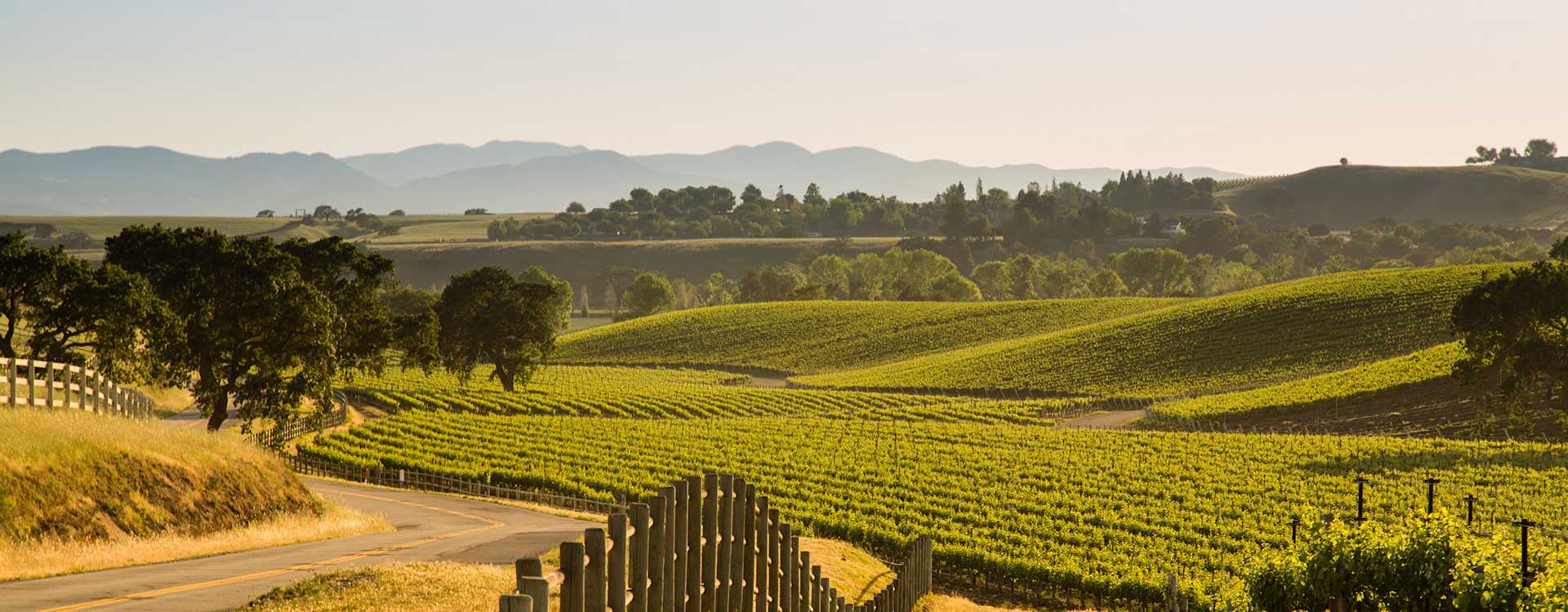
A superior source of California Chardonnay and Pinot Noir, Sta. Rita Hills is the coolest, westernmost sub-region of the larger Santa Ynez Valley appellation within Santa Barbara County. This relatively new AVA is unquestionably one to keep an eye on.
The climate of Sta. Rita Hills is a natural match for Chardonnay and Pinot noir, thanks to the crisp ocean breezes and well-drained, limestone-rich calcareous soil. Here, grapes ripen just enough, while retaining brisk acidity and harmonious balance.