


Winemaker Notes
#11 Wine Enthusiast Top 100 Wines of 2019
A powerhouse wine, Salcheto's Vino Nobile di Montepulciano hits the palate with an exotic array of smoke, incense, scorched earth, iron and black fruit. This is far from an easygoing wine, so plan on cellaring the Vino Nobile for another few years. Ferrous, savory notes add complexity to the intense finish.
Professional Ratings
-
Wine Enthusiast
Made with organically cultivated Sangiovese, this fragrant elegant red opens with enticing scents of underbrush, sunbaked earth, wild berry, violet, crushed mint and a balsamic whiff of camphor. Smooth and savory, the linear palate has surprising vibrancy for such a hot vintage, delivering juicy Marasca cherry, strawberry compote, star anise and white pepper. Elegant fine-grained tannins lend polished support while a coffee note lingers on the close. Drink through 2025.
Editors' Choice -
Wine Spectator
Aromas of green tomato and tomato leaf segue into plum and cherry flavors in this concentrated red. Leather, iron and sanguine notes chime in as this cruises to a lingering aftertaste. Shows terrific intensity and balance. Best from 2022 through 2040.
-
Robert Parker's Wine Advocate
The price difference between this 2015 Vino Nobile di Montepulciano and the Vecchie Viti del Salco is noteworthy. This more affordable option delivers ripe fruit, dark cherry and blackcurrant folded within spice and delicate hints of campfire ash. It is a pure expression of Sangiovese, otherwise known locally as Prungnolo Gentile. The wine ages for 18 months in oak, of which 70% is botte grande and 30% is tonneaux. You'll catch a lot of plummy, ripe fruit flavors on the finish. A solid 120,000 bottles were produced.
-
Decanter
Besides an extensive program of sustainability and environmental responsibility, Salcheto's wines are certified organic and incorporate biodynamic practices. Fermentation is with indigenous yeasts, and they add only a small amount of SO2 at bottling. The result is an energetic wine where fragrant cherry, plum and mint aromas mingle with balsamic and cedar notes. It's fairly weighty and ripe on the palate, though the tannins are in proportion. This just needs some time to knit together.
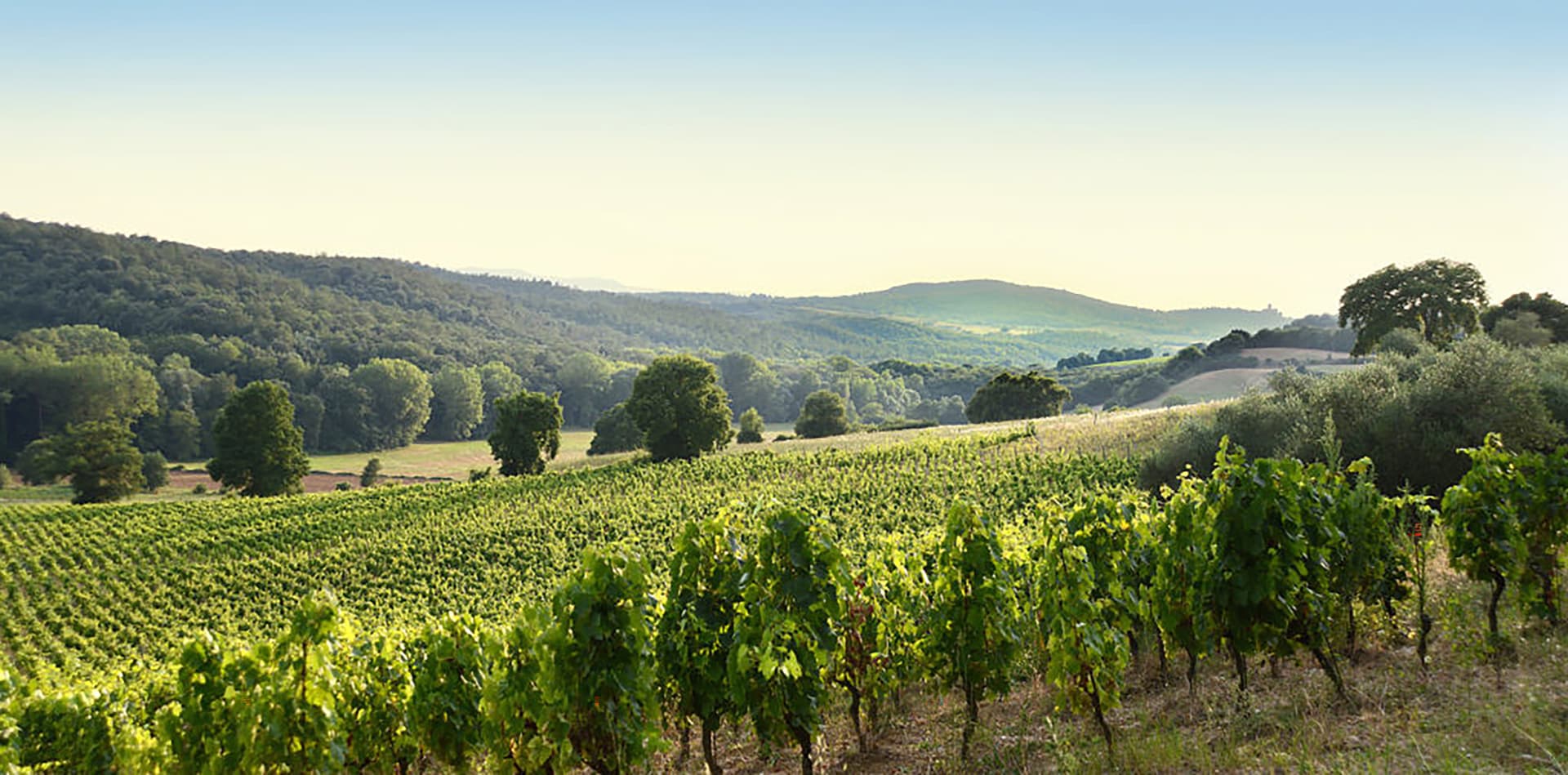




There should be a synergy between the earth and all growing things, man included. At Salcheto they try to respect this relationship on a daily basis, as they attempt to maintain a balance with nature through sustainable farming and winemaking practices. These include non-invasive organic and biodynamic growing methods, as well as systematic energy and water conservation.
Ultimately, the goal is to work in an environmentally responsible manner to create the greatest expression of quality and authenticity in their wines. With this in mind, Salcheto hopes to bring romance and passion to the science of fine winemaking, blending time-honored tradition with modern technology. It is a life challenge that they take very seriously, or at least as seriously as young, passionate winemakers can.
Salcheto is the name of a stream that runs through the property where willows once grew in abundance. They have just begun to replant willow trees on the estate in areas not suitable for viticulture. Eventually Salcheto will use the wood for heating, with the goal of creating a sustainable green system at the winery that is 100-percent energy independent. Even the measure of their carbon footprint per bottle of wine is a true trailblazer for the industry, including not only the work in the vineyard and winery, but also the emissions from obtaining raw materials (glass in particular) and transportation to the final consumer.
At Salcheto, the path to reduce emissions travels hand in hand with quality production of the wines. Salcheto is full energy independence, the first “Off Grid” winery, in the sense of being completely disconnected from traditional power-distribution networks. This result has been achieved by combining, in an integrated way, water recycling and independence, energy savings, and renewable energy sources present in the countryside, not only Solar Photovoltaic but also geothermal and biomasses systems.

Among Italy's elite red grape varieties, Sangiovese has the perfect intersection of bright red fruit and savory earthiness and is responsible for the best red wines of Tuscany. While it is best known as the chief component of Chianti, it is also the main grape in Vino Nobile di Montepulciano and reaches the height of its power and intensity in the complex, long-lived Brunello di Montalcino. Somm Secret—Sangiovese doubles under the alias, Nielluccio, on the French island of Corsica where it produces distinctly floral and refreshing reds and rosés.

This significant Tuscan village—not to be confused with the red grape of the same name widely grown in Abruzzo and the Marche regions—was home to one of the first four Italian DOCGs granted in 1980.
Based on the Sangiovese grape (here called Prugnolo Gentile), the village’s prized wine called Vino Nobile di Montepulciano ranks stylistically in between Chianti Classico, for its finesse, and Brunello di Montalcino for its power. With a deep ruby color, heavy concentration and a firm structure given by the village's heavy, cool clay soils, most Vino Nobile di Montepulciano will demand some bottle age.