

Winemaker Notes
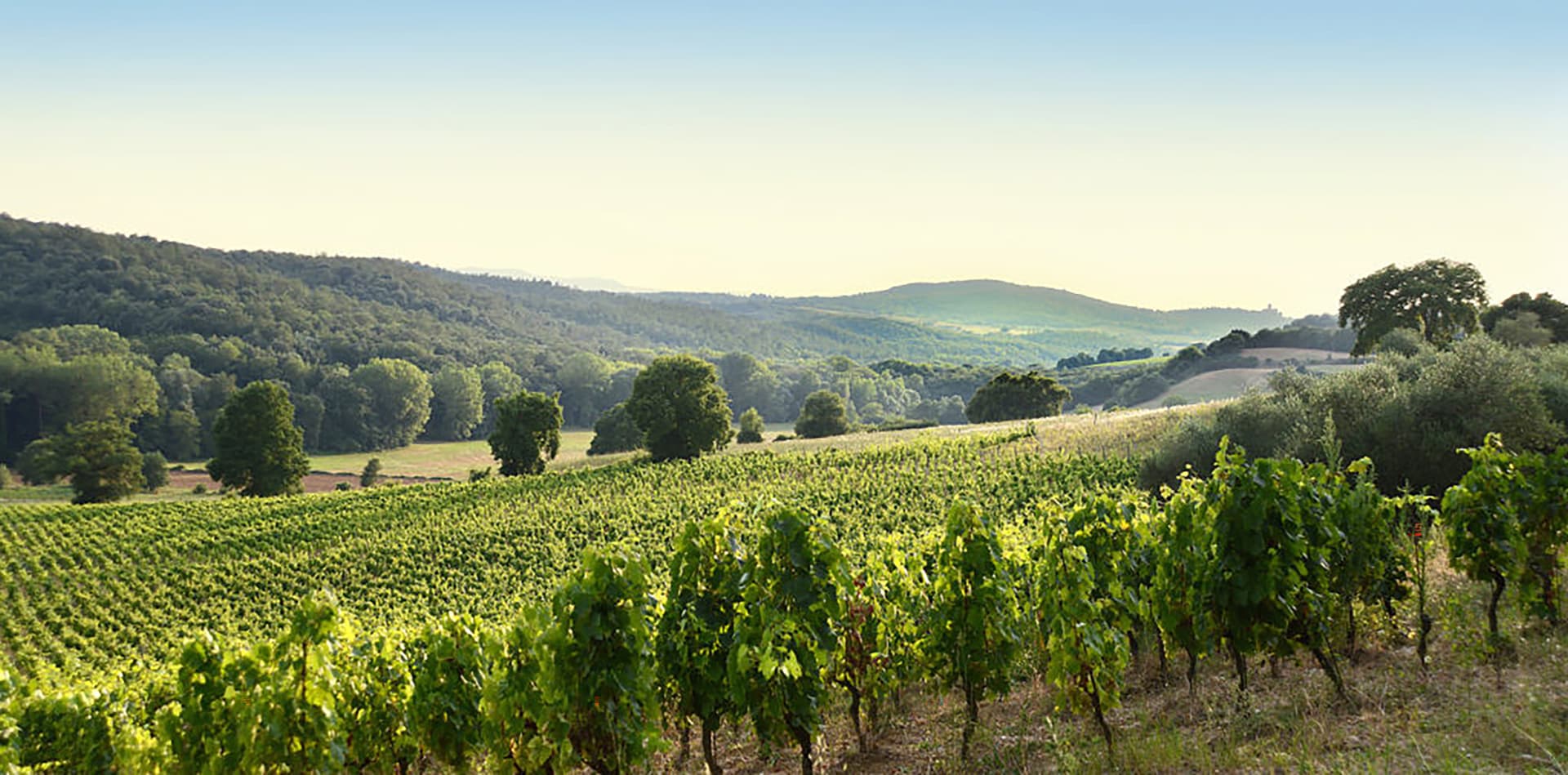




There should be a synergy between the earth and all growing things, man included. At Salcheto they try to respect this relationship on a daily basis, as they attempt to maintain a balance with nature through sustainable farming and winemaking practices. These include non-invasive organic and biodynamic growing methods, as well as systematic energy and water conservation.
Ultimately, the goal is to work in an environmentally responsible manner to create the greatest expression of quality and authenticity in their wines. With this in mind, Salcheto hopes to bring romance and passion to the science of fine winemaking, blending time-honored tradition with modern technology. It is a life challenge that they take very seriously, or at least as seriously as young, passionate winemakers can.
Salcheto is the name of a stream that runs through the property where willows once grew in abundance. They have just begun to replant willow trees on the estate in areas not suitable for viticulture. Eventually Salcheto will use the wood for heating, with the goal of creating a sustainable green system at the winery that is 100-percent energy independent. Even the measure of their carbon footprint per bottle of wine is a true trailblazer for the industry, including not only the work in the vineyard and winery, but also the emissions from obtaining raw materials (glass in particular) and transportation to the final consumer.
At Salcheto, the path to reduce emissions travels hand in hand with quality production of the wines. Salcheto is full energy independence, the first “Off Grid” winery, in the sense of being completely disconnected from traditional power-distribution networks. This result has been achieved by combining, in an integrated way, water recycling and independence, energy savings, and renewable energy sources present in the countryside, not only Solar Photovoltaic but also geothermal and biomasses systems.

With hundreds of red grape varieties to choose from, winemakers have the freedom to create a virtually endless assortment of blended red wines. In many European regions, strict laws are in place determining the set of varieties that may be used, but in the New World, experimentation is permitted and encouraged resulting in a wide variety of red wine styles. Blending can be utilized to enhance balance or create complexity, lending different layers of flavors and aromas. For example, a red wine blend variety that creates a fruity and full-bodied wine would do well combined with one that is naturally high in acidity and tannins. Sometimes small amounts of a particular variety are added to boost color or aromatics. Blending can take place before or after fermentation, with the latter, more popular option giving more control to the winemaker over the final qualities of the wine.
How to Serve Red Wine
A common piece of advice is to serve red wine at “room temperature,” but this suggestion is imprecise. After all, room temperature in January is likely to be quite different than in August, even considering the possible effect of central heating and air conditioning systems. The proper temperature to aim for is 55° F to 60° F for lighter-bodied reds and 60° F to 65° F for fuller-bodied wines.
How Long Does Red Wine Last?
Once opened and re-corked, a bottle stored in a cool, dark environment (like your fridge) will stay fresh and nicely drinkable for a day or two. There are products available that can extend that period by a couple of days. As for unopened bottles, optimal storage means keeping them on their sides in a moderately humid environment at about 57° F. Red wines stored in this manner will stay good – and possibly improve – for anywhere from one year to multiple decades. Assessing how long to hold on to a bottle is a complicated science. If you are planning long-term storage of your reds, seek the advice of a wine professional.

Famous for its food-friendly, approachable red wines and their storied history, Chianti is perhaps the best-known wine region of Italy. This appellation within Tuscany has it all: sweeping views of rolling hills, endless vineyards, the warm Mediterranean sun, hearty cuisine and a rich artistic heritage. Chianti includes seven subzones: Chianti Colli Fiorentini, Rufina, Montalbano, Colli Senesi, Colline Pisane, Colli Aretini and Montespertoli, with area beyond whose wines can be labeled simply as Chianti.
However the best quality comes from Chianti Classico, in the heart of the Chianti zone, which is no longer a subzone of the region at all but has been recognized on its own since 1996. The Classico region today is delimited by the confines of the original Chianti zone protected since the 1700s.
Chianti wines are made primarily of Sangiovese, with other varieties comprising up to 25-30% of the blend. Generally, local varieties are used, including Canaiolo, Colorino and Mammolo, but international varieties such as Cabernet Sauvignon, Merlot and Syrah are allowed as long as they are grown within the same zone.
Basic, value-driven Chianti wine is simple and fruit-forward and makes a great companion to any casual dinner. At its apex, Chianti is full bodied but with good acidity, firm tannins, and notes of tart red fruit, dried herbs, fennel, balsamic and tobacco. Chianti Riserva, typically the top bottling of a producer, can benefit handsomely from a decade or two of cellaring.