


Winemaker Notes
Mala Nevina is a blend of Malvazija Istria and Chardonnay. It ages for months in concrete eggs and wood. It comes from the vineyard of Sv. Ante in Radovani, central Istria, which abounds in red soil and limestone and is extremely suitable for white varieties.



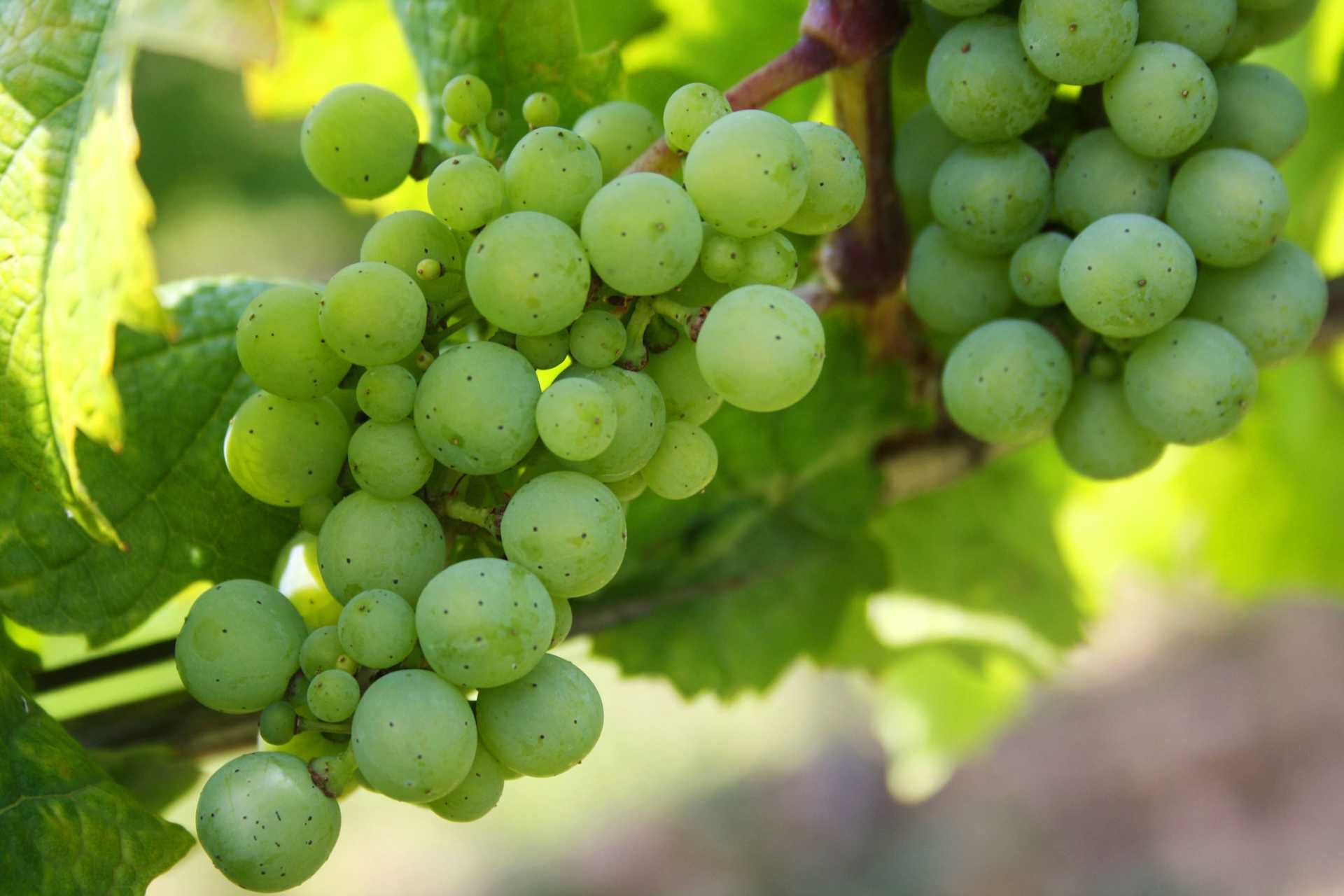
With hundreds of white grape varieties to choose from, winemakers have the freedom to create a virtually endless assortment of blended white wines. In many European regions, strict laws are in place determining the set of varieties that may be used in white wine blends, but in the New World, experimentation is permitted and encouraged. Blending can be utilized to enhance balance or create complexity, lending different layers of flavors and aromas. For example, a variety that creates a soft and full-bodied white wine blend, like Chardonnay, would do well combined with one that is more fragrant and naturally high in acidity. Sometimes small amounts of a particular variety are added to boost color or aromatics. Blending can take place before or after fermentation, with the latter, more popular option giving more control to the winemaker over the final qualities of the wine.

With viticulture and winemaking dating back to ancient Greek settlers, Croatia today is one of the most successful former Yugoslavia wine producing nations. Stretching along the Adriatic coastline, across the sea from Italy, it has become a hugely popular tourist destination in recent years.
Four distinct geographical Croatian wine regions comprise the country. Dalmatia, the most famous, gained global recognition with the 2002 discovery that its indigenous Crljenak Kaštelanski is actually genetically identical to California’s Zinfandel. At the time there were only nine vines of this Croatian wine variety at Kaštela near Split but in response to this discovery, vineyard acreage is increasing. Crljenak Kaštelanski is also a parent of the indigenous, Plavac Mali (Croatia’s second most planted grape). Dalmatia extends south from Kvarner along the Croatian coast and is the only Croatian wine region where reds dominate. Babić is another red skinned variety grown here; Dalmatian white wine varieties include Grk, Debit, Vugava, Bogdanuša, Gegic, and Maraština.
Istria and Kvarner reach along Croatia’s northern coastline and enjoy a Mediterranean climate. Here Croatia’s third most planted variety, Malvazija Istarska can be found in two main styles: light and fruity or made with extended skin contact and aged in oak. Teran is the main red variety here.
Inland, the Croatian Uplands are the coolest and international white varieties take up most of the vine acreage. Sauvignon blanc, Riesling, Pinot gris and Pinot Noir grow here as well as Hungary’s Furmint, locally called Moslavac
Slavonia and Danube are home to the most important Croatian white wine variety, Graševina (Welschriesling), as well as Traminac (Gewürztraminer) and Frankovka (Blaufränkisch).