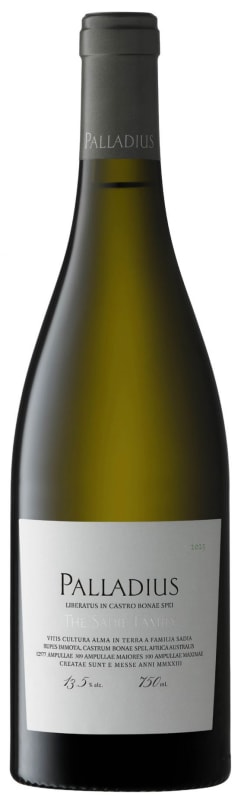


Winemaker Notes
In 2023, Palladius displays an incredibly bright color for a wine from 24 months of ageing. The inclusion of more acidic and lower alcohol-driven varieties has contributed much to the increased freshness of the resulting wine. This vintage displays a lime zesty and green apple entry of aromatics and a line of salinity that stretches throughout. On the palate, the tannins present themselves incredibly refined and balanced, intertwined with fresh acidity and a long-lasting aftertaste. Potentially, the wine of the vintage!
Professional Ratings
-
Robert Parker's Wine Advocate
The Sadie Family 2023 Swartland Palladius shows remarkable equilibrium, with layered richness held in check by compact structure and quiet, under-the-surface intensity. It represents a blend of Chenin Blanc, Grenache Blanc, Clairette Blanche, Viognier, Verdelho, Roussanne, Marsanne, Semillon Gris, Semillon Blanc, Palomino, Colombard, Grillo, Assyrtiko, Grenache Blanc and Verdelho. The addition of limestone-influenced parcels in recent years has tightened the wine’s profile, trimming excess breadth and enhancing linear precision. Drawn from 24 vineyards across Paardeberg, Piketberg and the St. Helena Bay zone and aged in amphora, concrete and old foudre, Palladius stands as Eben Sadie’s flagship white built expressly for long-term aging.
-
James Suckling
Very fresh and exciting, showing lemon curd, wild thyme, white pepper, sliced apple, pear, clove and crushed stone aromas. It’s layered and creamy, complex, with a full body and wonderful freshness brought by mineral and very subtle herbal undertones. Long, salty and structured. A blend of 14 varietals.
-
Vinous
For the first time, the Palladius includes 20% of fruit from limestone soils on the west coast, which Sadie feels made the wine leaner and more minerally. "It was the thing that was missing," he remarked. There are now 14 varieties in this blend. The 2023 offers pressed yellow flowers and light walnut and hazelnut scents in the background. The palate is well balanced with a slightly honeyed texture on the entry. Wonderful depth, edgy, a little more acidity than the '22, with a long, quite saline finish.
-
Wine Spectator
A rich white, silky and well-cut, with a bright streak of Meyer lemon peel–infused acidity defining flavors of salted butter, chopped almond, baked peach and macerated raspberry. Long and creamy, with an intriguing range of crystallized honey, broom, sage, minerally flint and smoke notes on the finish. Chenin Blanc, Grenache Blanc, Clairette Blanche, Viognier, Verdelho, Roussanne, Marsanne and Colombard.

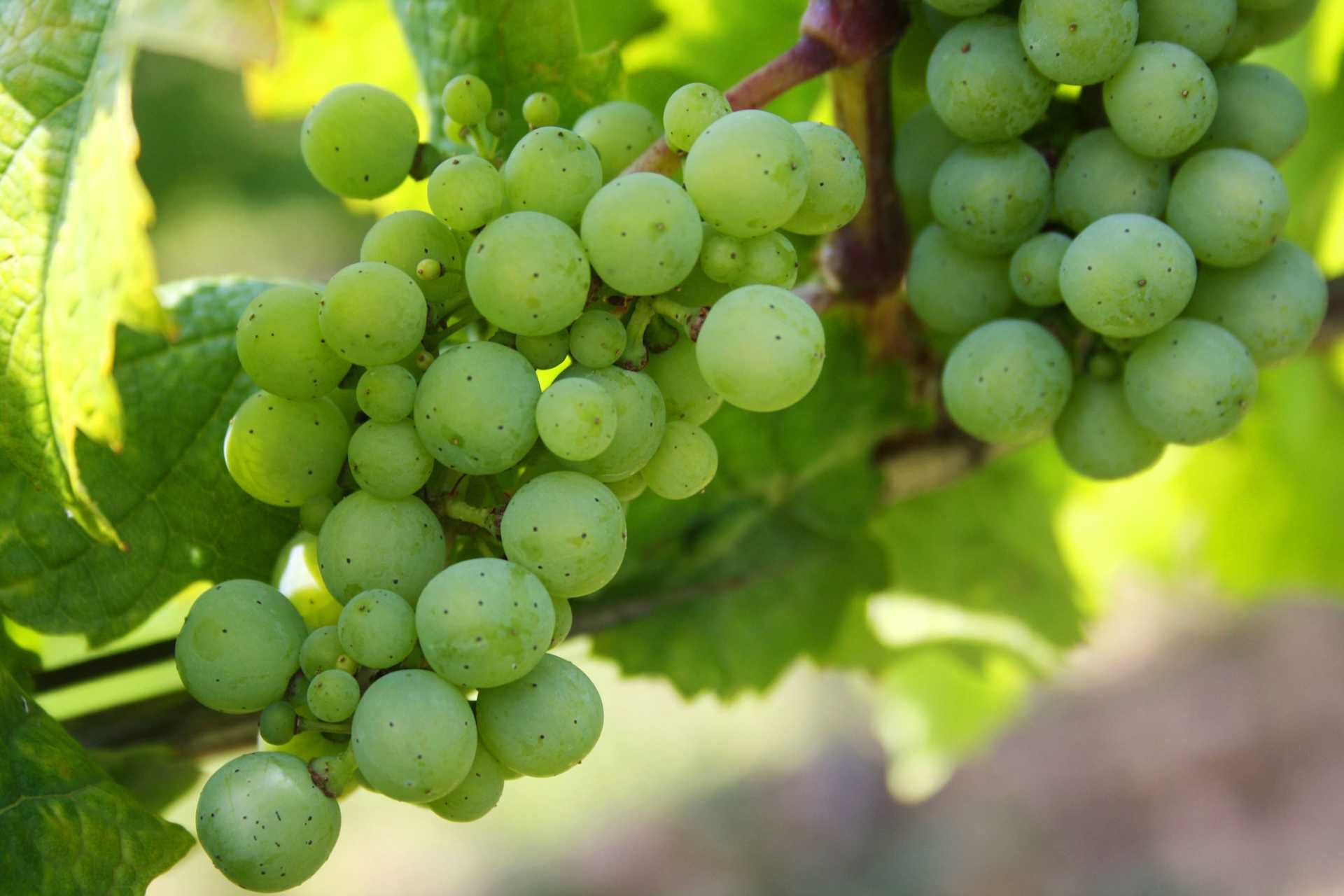
With hundreds of white grape varieties to choose from, winemakers have the freedom to create a virtually endless assortment of blended white wines. In many European regions, strict laws are in place determining the set of varieties that may be used in white wine blends, but in the New World, experimentation is permitted and encouraged. Blending can be utilized to enhance balance or create complexity, lending different layers of flavors and aromas. For example, a variety that creates a soft and full-bodied white wine blend, like Chardonnay, would do well combined with one that is more fragrant and naturally high in acidity. Sometimes small amounts of a particular variety are added to boost color or aromatics. Blending can take place before or after fermentation, with the latter, more popular option giving more control to the winemaker over the final qualities of the wine.

Literally meaning "the black land," Swartland takes its name from the endangered, indigenous "renosterbos" (translating to rhino bush), which used to be plentiful enough to turn the entire landscape a dark color certain during times of year. The district, attracting some of the most adventurous and least interventionist winemakers, excels in robust and full-bodied reds as well as quality fortified wines.