


Winemaker Notes
The 2022 starts by almost playing hide-and-seek; the wine is more reserved and holding back. And only after warming up and a couple of minutes in the glass does the conversation start. The aromas are that of green apple and citrus flint, and then some of the stone fruit aromas begin to shine through. The wine needs time. The palate is already balanced, and the acidity is met by very firm tannins. The aftertaste is lingering.
Professional Ratings
-
Decanter
Opens slowly with the fragrance of cool lemony citrus, bergamot and mandarin. There’s an undertone of fresh beeswax and flint. A portrait of the Swartland, with 17 different vineyards making up the components. Eben Sadie believes this vintage is ‘a strong contender for the most restrained’ in the blend’s five year run. The parcels were wild fermented in concrete eggs and amphora. The components ‘take their time’ fermenting, some up to 18 months. Every vineyard is given the same vessel each year, and is therein matured for 12 months, after which another year’s rest in foudres. The palate is radiant with white peach, limes, orchard apples and tangy nectarine, rippled through with a liquid mineral acidity that carries the fruit into a resonant, layered finish.
-
Robert Parker's Wine Advocate
The Sadie Family's 2022 Swartland Palladius is a blend of 11 grapes from 17 distinct vineyard sites with old vines. The grapes used are Chenin Blanc, Grenache Blanc, Clairette Blanche, Viognier, Verdelho, Roussanne, Marsanne, Semillon Gris, Sémillon, Palomino and Colombard. The various vineyards are located in Paardeberg, Piketberg and Saint Helena Bay. "This is the most complex wine and difficult to make," says Eben Sadie. "A white wine needs to achieve more than a red."
-
James Suckling
This is an impressively layered and complex white, the result of a blend of 11 varietals from 17 vineyards across the Swartland. Aromas of jack fruit, sliced pear, green papaya, flint, grapefruit and hazelnut are all in play, followed by a full-bodied palate with a caressing and supple texture. Seamless, evolving to spices after a while. Even better than 2021? A blend of chenin blanc, grenache blanc, clairette blanche, viognier, verdelho, roussanne, marsanne, semillon gris, semillon blanc, palomino and colombard, all vinified separately. Try after 2025.
-
Wine Spectator
A statuesque white, with a broad frame and chiseled acidity, but this shows seamless integration and a sense of finesse overall, offering an appealing range of baked persimmon, golden apple, white peach, toasted brioche, ginger-infused pastry cream and orange curd flavors that extends on the lush finish. Chenin Blanc, Grenache Blanc, Clairette Blanche, Viognier, Verdelho, Roussanne, Marsanne and Colombard.

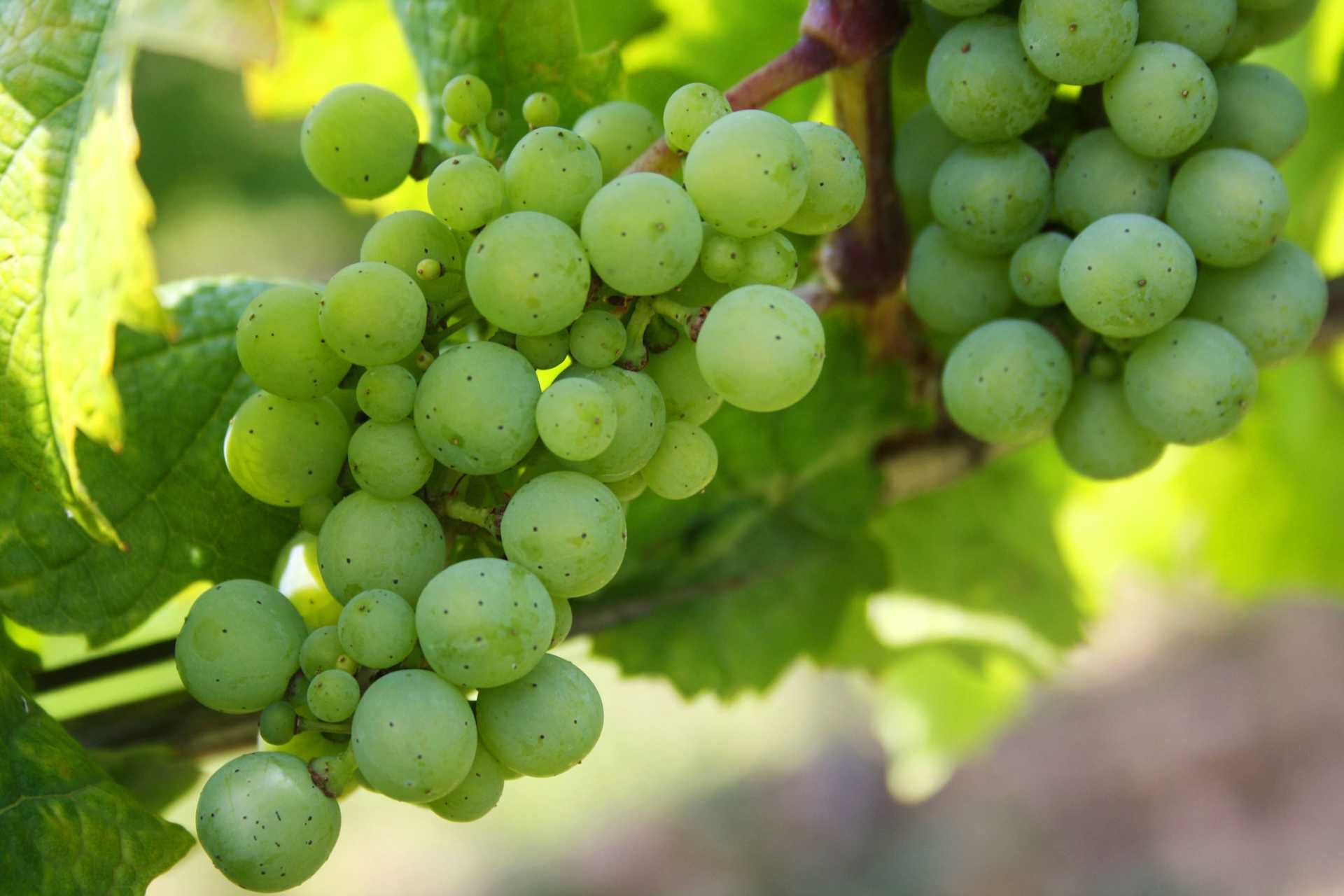
With hundreds of white grape varieties to choose from, winemakers have the freedom to create a virtually endless assortment of blended white wines. In many European regions, strict laws are in place determining the set of varieties that may be used in white wine blends, but in the New World, experimentation is permitted and encouraged. Blending can be utilized to enhance balance or create complexity, lending different layers of flavors and aromas. For example, a variety that creates a soft and full-bodied white wine blend, like Chardonnay, would do well combined with one that is more fragrant and naturally high in acidity. Sometimes small amounts of a particular variety are added to boost color or aromatics. Blending can take place before or after fermentation, with the latter, more popular option giving more control to the winemaker over the final qualities of the wine.

Literally meaning "the black land," Swartland takes its name from the endangered, indigenous "renosterbos" (translating to rhino bush), which used to be plentiful enough to turn the entire landscape a dark color certain during times of year. The district, attracting some of the most adventurous and least interventionist winemakers, excels in robust and full-bodied reds as well as quality fortified wines.