


Winemaker Notes
The 2023 Skerpioen displays the usual limey and citrus flavours associated with the vineyard. This wine’s distinctive saline qualities, salty taste, and minerality are again prominent. The Chenin and Palomino field blend is very stable annually in its expression. The tannins and the acidity are slightly softer than in the last two vintages, and this vintage could be savored earlier as the balance and mouthfeel are already very balanced.
Professional Ratings
-
James Suckling
A cool white blend that has lime peel, sliced apples, nectarines and fennel on the nose, followed by wet-stone minerality on the palate that only adds to the purity of fruit. It’s medium-bodied, with a salty freshness that pulls you back for more. Equal parts chenin blanc and palomino, from a cool, dry area of west Swartland, two kilometers from the Atlantic. Drink or hold.
-
Robert Parker's Wine Advocate
The Sadie Family's 2023 Swartland Old Vine Series Skerpioen is Chenin Blanc and Palomino planted together on white limestone soils with a sandy top layer. The Chenin Blanc is picked on the underripe side, and the Palomino is picked ripe and golden yellow in color. "I am site-driven, not variety-driven," says Winemaker Eben Sadie. "My goal is to make the most honest wine from a singular site." I love the intensity of the Skerpioen, which is delivered vertically in terms of the brightness of its aromas and horizontally in terms of the pretty richness of the mouthfeel. There are hints of waxy Meyer lemon, sea salt and a hint of rubber latex. It matures in old acacia and oak foudre for 12 months.
-
Vinous
The 2023 Skerpioen is co-planted Chenin Blanc and Palomino on aeolian sand over limestone. Eben Sadie remarked: "If Mad Max had a vineyard, this would be it." It's a very wind-buffeted five-hectare parcel, planted in 1910, with higgledy-piggledy branches (maybe the first time that's been used in a tasting note). This has the highest dry extract of Sadie's whites. It has a fresh and vibrant nose: linseed oil, hints of yellow fruit and sea spray. The palate is founded upon a razor-sharp line of acidity, full of tension and salinity and very linear toward the finish. Divine.

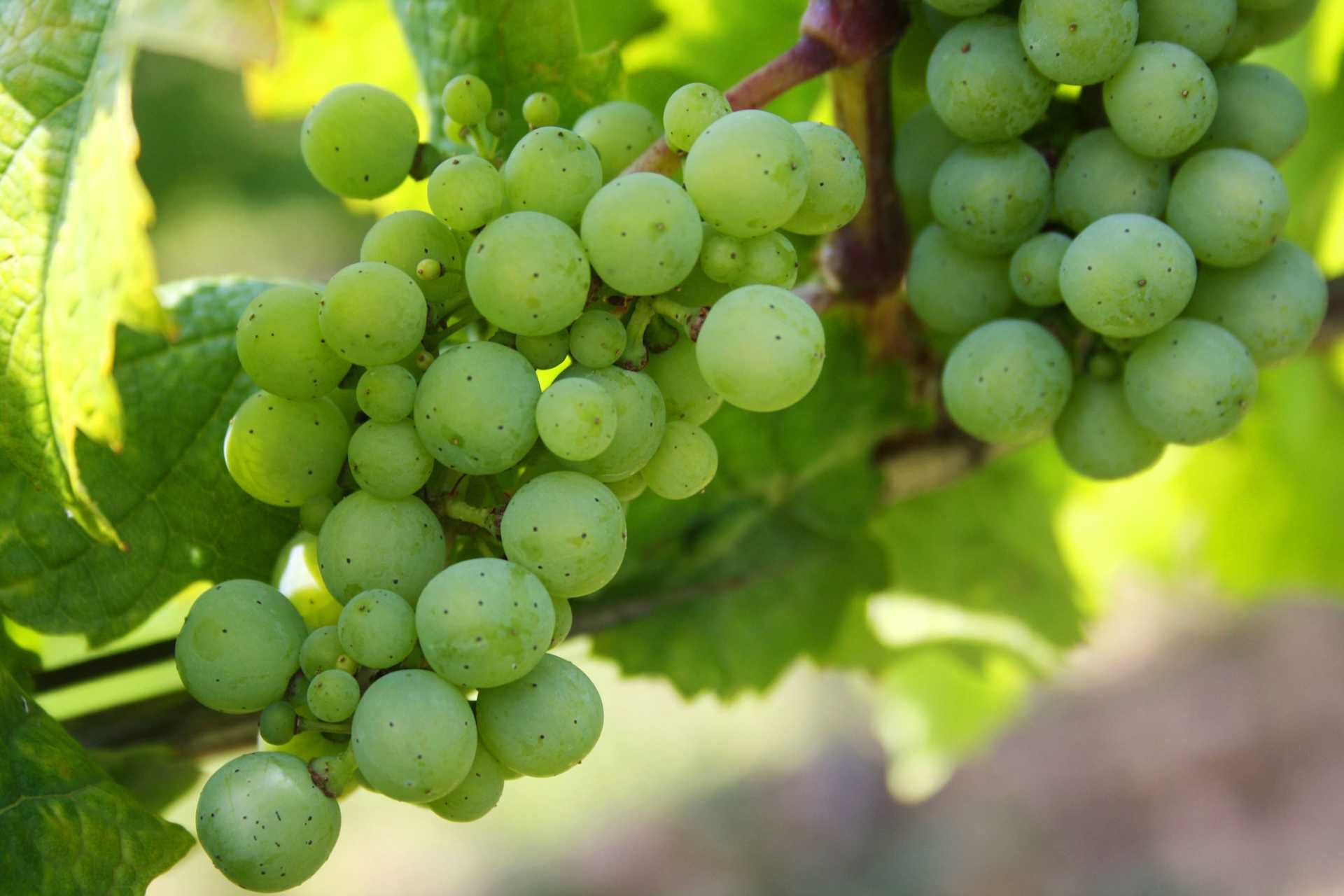
With hundreds of white grape varieties to choose from, winemakers have the freedom to create a virtually endless assortment of blended white wines. In many European regions, strict laws are in place determining the set of varieties that may be used in white wine blends, but in the New World, experimentation is permitted and encouraged. Blending can be utilized to enhance balance or create complexity, lending different layers of flavors and aromas. For example, a variety that creates a soft and full-bodied white wine blend, like Chardonnay, would do well combined with one that is more fragrant and naturally high in acidity. Sometimes small amounts of a particular variety are added to boost color or aromatics. Blending can take place before or after fermentation, with the latter, more popular option giving more control to the winemaker over the final qualities of the wine.

Literally meaning "the black land," Swartland takes its name from the endangered, indigenous "renosterbos" (translating to rhino bush), which used to be plentiful enough to turn the entire landscape a dark color certain during times of year. The district, attracting some of the most adventurous and least interventionist winemakers, excels in robust and full-bodied reds as well as quality fortified wines.