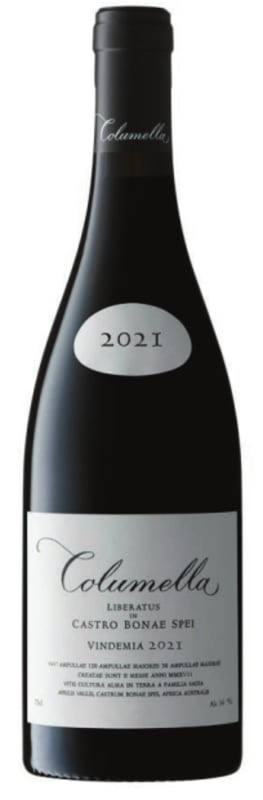


Winemaker Notes
This 2021 vintage of Columella displays extremely bright red fruit aromas. The wine is incredibly fresh, and the 24 months of ageing in old casks are unmarked; it almost seems like the fruit is still hanging on the vine. Some velvety spicey herbal aromas of the bush come through on the aromatics, and then violets and perfumes followed. There are darker, deeper lines of graphite, black olive and cedarwood aromatics, and the structure of the wine is quite seamless; the tannins flow into the acidity at the end of the palate. It is incredibly balanced, and delicate layers of stitching make up this wine. Time is your friend on this one.
Professional Ratings
-
Robert Parker's Wine Advocate
Composed of a blend of Syrah, Mourvèdre, Grenache, Carignan, Cinsault and Tinta Barocca, the 2021 Columella is instantly impressive, with firm layers of red fruit over a spicy core of oak that sways with notions of turned earth and a kiss of wild herbs. Medium to full-bodied and with about 14% alcohol, the palate is fresh and nimble while delivering more oak on the palate than the nose leads on. The palate has flavors of wild sage and black peppercorn with notes of baked clay and plum skin. Undoubtedly, it will age for decades, but don't be too hasty to open this right away.
-
James Suckling
This is fragrant and polished with aromas of peach pits, sandalwood, cherry stones, hazelnuts and orange zest. Fabulously intense, building on the palate to a crescendo, slowly, with supple and very fine tannins giving an elegant structure to the fruit and spice. Elegant and immensely long. Syrah, mourvedre, carignan, cinsault, grenache and tinta barroca.
-
Vinous
The 2021 Columella is a blend of Rhône varieties, 30% Syrah, the lowest ever, with more Mourvèdre, plus Tinta Barocca, 50% whole clusters, spending 12 months in cask (10% new) and 12 months in old foudres, bottled with slightly higher CO2 due to less racking. It has a mixture of red and blueberry fruit, touches of aniseed coming through with time. There’s very fine delineation. The medium-bodied palate has a gorgeous opening with blood orange, black pepper and ginger. It's sleek and less powerful than older vintages, yet it has far more elegance and precision. This is a long-term Columella.
-
Wine Spectator
A vivid red, with a bright boost of blood orangeinfused acidity animating a generous range of coulised cherry, pomegranate puree, rooibos tea and candied violet flavors set on the silky palate. Fine, supple tannins firm the finish, which echoes minerally smoke and stone notes. Syrah, Mourvedre, Grenache, Cinsaut and Tinta Barocca. Drink now through 2036. 1,185 cases made, 63 cases imported.


With hundreds of red grape varieties to choose from, winemakers have the freedom to create a virtually endless assortment of blended red wines. In many European regions, strict laws are in place determining the set of varieties that may be used, but in the New World, experimentation is permitted and encouraged resulting in a wide variety of red wine styles. Blending can be utilized to enhance balance or create complexity, lending different layers of flavors and aromas. For example, a red wine blend variety that creates a fruity and full-bodied wine would do well combined with one that is naturally high in acidity and tannins. Sometimes small amounts of a particular variety are added to boost color or aromatics. Blending can take place before or after fermentation, with the latter, more popular option giving more control to the winemaker over the final qualities of the wine.
How to Serve Red Wine
A common piece of advice is to serve red wine at “room temperature,” but this suggestion is imprecise. After all, room temperature in January is likely to be quite different than in August, even considering the possible effect of central heating and air conditioning systems. The proper temperature to aim for is 55° F to 60° F for lighter-bodied reds and 60° F to 65° F for fuller-bodied wines.
How Long Does Red Wine Last?
Once opened and re-corked, a bottle stored in a cool, dark environment (like your fridge) will stay fresh and nicely drinkable for a day or two. There are products available that can extend that period by a couple of days. As for unopened bottles, optimal storage means keeping them on their sides in a moderately humid environment at about 57° F. Red wines stored in this manner will stay good – and possibly improve – for anywhere from one year to multiple decades. Assessing how long to hold on to a bottle is a complicated science. If you are planning long-term storage of your reds, seek the advice of a wine professional.

Literally meaning "the black land," Swartland takes its name from the endangered, indigenous "renosterbos" (translating to rhino bush), which used to be plentiful enough to turn the entire landscape a dark color certain during times of year. The district, attracting some of the most adventurous and least interventionist winemakers, excels in robust and full-bodied reds as well as quality fortified wines.