

Winemaker Notes

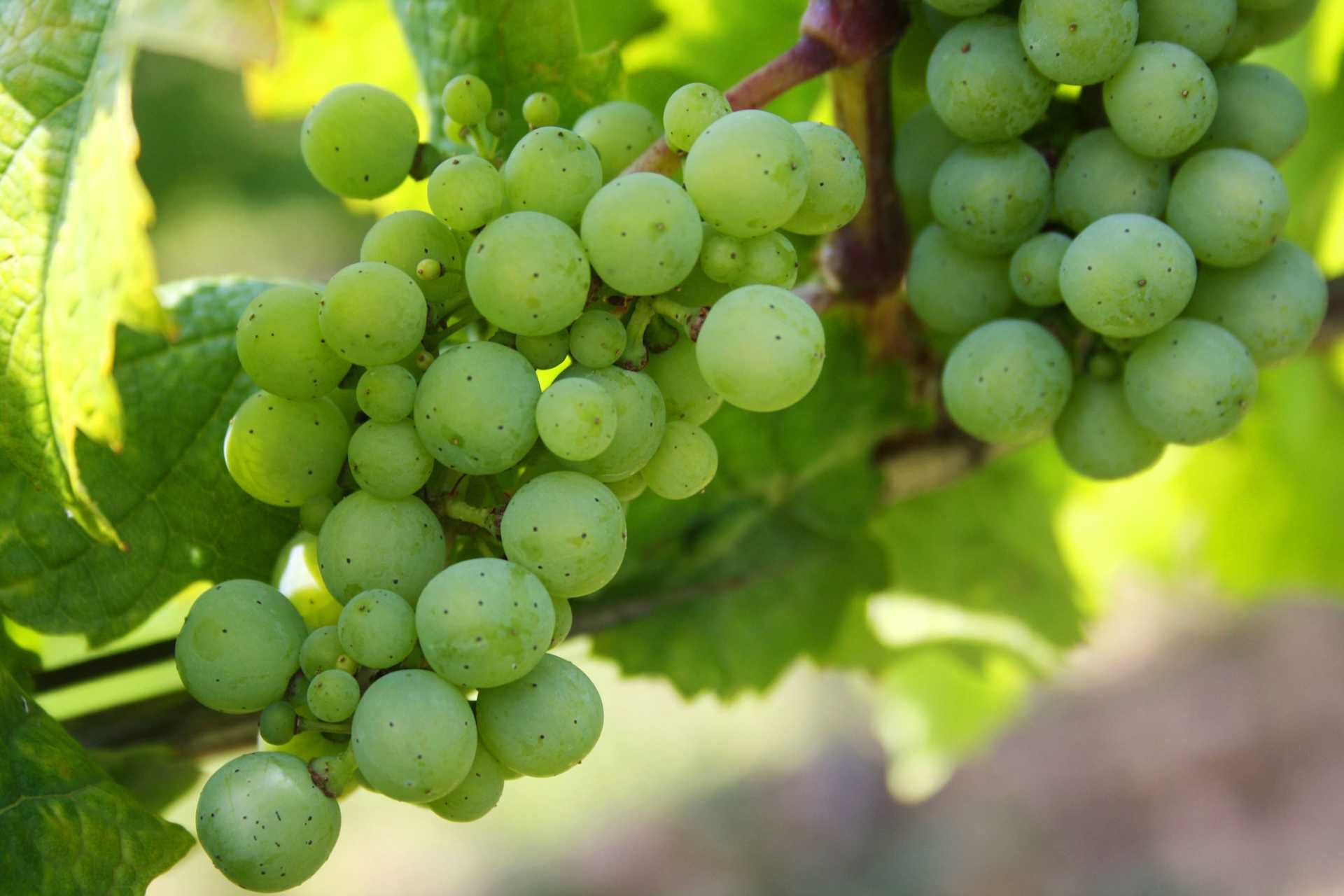
With hundreds of white grape varieties to choose from, winemakers have the freedom to create a virtually endless assortment of blended white wines. In many European regions, strict laws are in place determining the set of varieties that may be used in white wine blends, but in the New World, experimentation is permitted and encouraged. Blending can be utilized to enhance balance or create complexity, lending different layers of flavors and aromas. For example, a variety that creates a soft and full-bodied white wine blend, like Chardonnay, would do well combined with one that is more fragrant and naturally high in acidity. Sometimes small amounts of a particular variety are added to boost color or aromatics. Blending can take place before or after fermentation, with the latter, more popular option giving more control to the winemaker over the final qualities of the wine.

As the most important area of wine production in Victoria today, the Yarra Valley is most popular for Pinot Noir and Chardonnay, which account for over half of vineyard acreage. A gentle, rolling and rural region alongside the Margaret River, the Yarra Valley has a cool maritime climate with a lengthy growing season, perfect for these cool-climate varieties.
Two styles of Pinot Noir are possible here. The warmer Lower Yarra Valley with sandy, loam soils, produces plush and fruity Pinot Noir while the cooler, higher-elevation Upper Yarra Valley with soils of young red basalt, produces more angular and mineral-driven Pinot Noir.
Yarra Valley Chardonnay is among the best in Australia. To preserve the floral aromatics and fresh citrus flavors for which this area’s Chardonnay is so appreciated, time in barrel is restrained (though barrel fermentation is common). The best Yarra Valley Chardonnays display brilliant acidity, leesy characteristics, citrus, stone fruit and flavors of ginger and spice.
Shiraz and Cabernet find success in parts of this region as well.