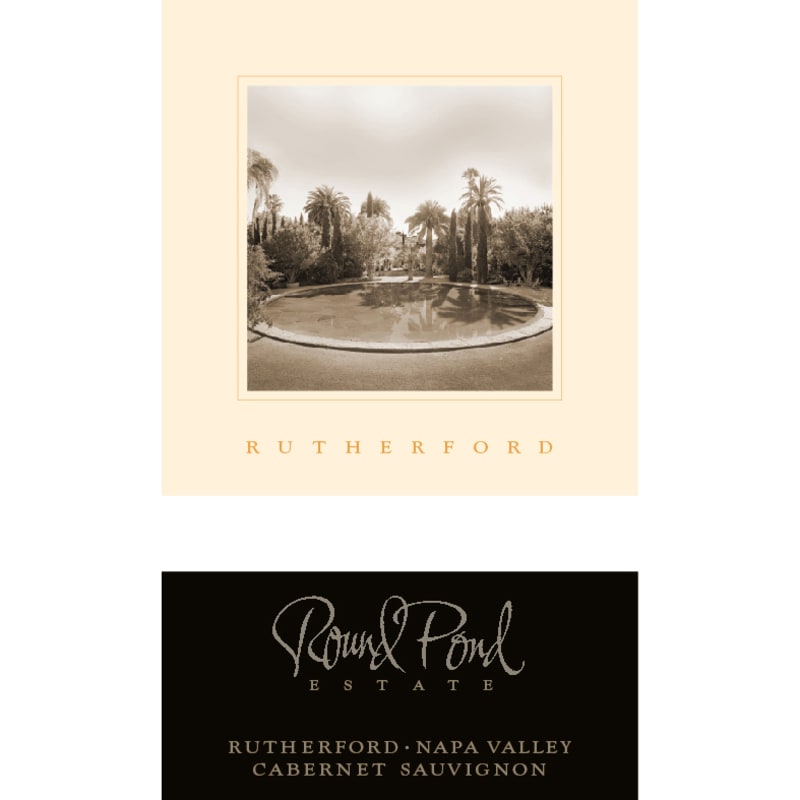

Winemaker Notes
Professional Ratings
-
Robert Parker's Wine Advocate
The 2010 Cabernet Sauvignon Estate is full of freshly cut flowers, violets, menthol crushed rocks and dark red cherries. There is a level of freshness and pure vibrancy in the 2010 that previous vintages don't have, most likely the result of the long, cool growing season. The balance of fruit, acidity and tannin is first-class. Nothing is out of place. In short, the 2010 Estate is gorgeous. Anticipated maturity: 2013-2023.
-
Wine Enthusiast
A big, rich, vital Cabernet with immediate attraction that is deceptive. Sure, you can enjoy it now, while it's brimming in cherry jam and red and black currants with a finish of rich, caramelized oak. But it will soften and mellow over the next eight years, and maybe even longer. This is Round Pond’s best estate Cabernet in years.
Cellar Selection -
Wine Spectator
Complex and deftly balanced, this offers a firm, dense mix of loamy earth, classic dried herb, currant, anise and tobacco leaf. Ends up finishing like a classy Bordeaux


One of the most prestigious wines of the world capable of great power and grace, Napa Valley Cabernet is a leading force in the world of fine, famous, collectible red wine. Today the Napa Valley and Cabernet Sauvignon are so intrinsically linked that it is difficult to discuss one without the other. But it wasn’t until the 1970s that this marriage came to light; sudden international recognition rained upon Napa with the victory of the Stag’s Leap Wine Cellars 1973 Cabernet Sauvignon in the 1976 Judgement of Paris.
Cabernet Sauvignon undoubtedly dominates Napa Valley today, covering half of the land under vine, commanding the highest prices per ton and earning the most critical acclaim. Cabernet Sauvignon’s structure, acidity, capacity to thrive in multiple environs and ability to express nuances of vintage make it perfect for Napa Valley where incredible soil and geographical diversity are found and the climate is perfect for grape growing. Within the Napa Valley lie many smaller sub-AVAs that express specific characteristics based on situation, slope and soil—as a perfect example, Rutherford’s famous dust or Stags Leap District's tart cherry flavors.