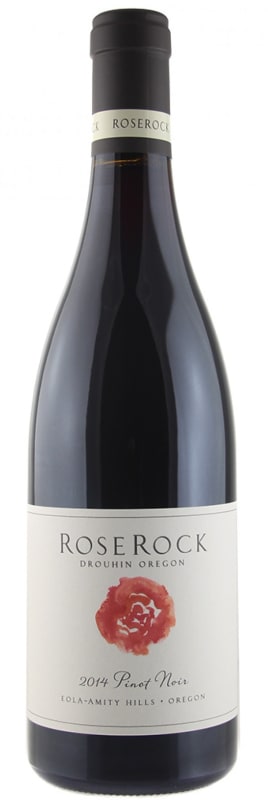


Winemaker Notes
Professional Ratings
-
James Suckling
This is the first vintage of this wine. Shows intensity and balanced and beautiful fruit. Medium-to full-bodied, silky and beautiful. A really velvety and round texture to this.
-
Robert Parker's Wine Advocate
The 2014 Roserock Pinot Noir offers blackberry and briary scents on the nose with a touch of earthiness - well defined and quite vivacious in the glass. The palate is medium-bodied with dusky blackberry and blueberry fruit. It exerts a gentle grip in the mouth and delivers white pepper sprinkled over the finish that is nicely detailed. This should drink well over the next 8-10 years and at this price, I would be loading up.
-
Wilfred Wong of Wine.com
I guess it was just a matter of time when Domaine Drouhin Oregon would extend their turf and produce wines from other parts of the Oregon countryside. It must be a Burgundy think: always searching for fine Pinot Noir sites. The nifty and elegant 2014 Roserock is a Pinot Noir that simply expresses the pure varietal and the sanctity of the site. Pair this one with lightly grilled salmon. Light to medium garnet color; lively red fruit aroma, focused and uncluttered; medium bodied, zesty on the palate, moderate tannins; dry, fine acidity, well balanced; pristine red fruit flavors, with a note of savor; crisp aftertaste (Tasted: March 3, 2016, San Francisco, CA USA)
-
Wine & Spirits
This is the first release from Drouhin’s new Roserock property in the southern Eola–Amity Hills, and its structure and tension makes it a fairly dramatic departure from the Dundee Hills. The flavors are elegant and vinous, with scents of raspberry and tree bark, its tense frame of minerality registering as textbook Eola–Amity Hills. It feels youthful; a wine to cellar and serve with roast goat.
-
Wine Spectator
Broad and expressive, with cherry and pomegranate flavors, picking up pear and floral notes as the finish lingers against grippy tannins. Best from 2017 through 2024. 12,762 cases made.


Thin-skinned, finicky and temperamental, Pinot Noir is also one of the most rewarding grapes to grow and remains a labor of love for some of the greatest vignerons in Burgundy. Fairly adaptable but highly reflective of the environment in which it is grown, Pinot Noir prefers a cool climate and requires low yields to achieve high quality. Outside of France, outstanding examples come from in Oregon, California and throughout specific locations in wine-producing world. Somm Secret—André Tchelistcheff, California’s most influential post-Prohibition winemaker decidedly stayed away from the grape, claiming “God made Cabernet. The Devil made Pinot Noir.”

Running north to south, adjacent to the Willamette River, the Eola-Amity Hills AVA has shallow and well-drained soils created from ancient lava flows (called Jory), marine sediments, rocks and alluvial deposits. These soils force vine roots to dig deep, producing small grapes with great concentration.
Like in the McMinnville sub-AVA, cold Pacific air streams in via the Van Duzer Corridor and assists the maintenance of higher acidity in its grapes. This great concentration, combined with marked acidity, give the Eola-Amity Hills wines—namely Pinot noir—their distinct character. While the region covers 40,000 acres, no more than 1,400 acres are covered in vine.