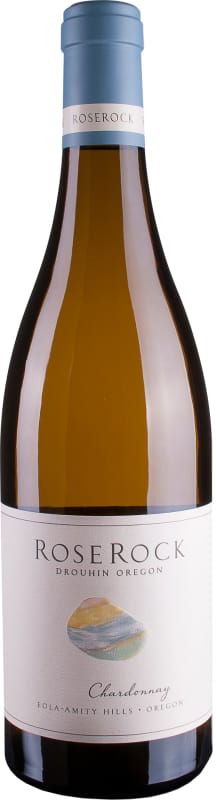


Winemaker Notes
Professional Ratings
-
James Suckling
Apple pie, pears, lemons and white chocolate to this elegant chardonnay. Medium to full body, a dense texture and a deep and mineral finish. I love the elegance and style. Fresh acidity. Drink or hold.
-
Wine & Spirits
Scents of caramel and pear give this wine an attractive first impression. Texturally, the wine is thoroughly seductive, its firm cushion of fruit limned by a snappy saline tang that provides contour and mouthwatering complexity. For a seafood dinner of Cantonese salt-and-pepper prawns.
-
Wine Spectator
Harmonious and pretty, with grapefruit and passion fruit aromas and delicately rich and layered pear and spicy lees flavors that linger.


One of the most popular and versatile white wine grapes, Chardonnay offers a wide range of flavors and styles depending on where it is grown and how it is made. While it tends to flourish in most environments, Chardonnay from its Burgundian homeland produces some of the most remarkable and longest lived examples. California produces both oaky, buttery styles and leaner, European-inspired wines. Somm Secret—The Burgundian subregion of Chablis, while typically using older oak barrels, produces a bright style similar to the unoaked style. Anyone who doesn't like oaky Chardonnay would likely enjoy Chablis.

Running north to south, adjacent to the Willamette River, the Eola-Amity Hills AVA has shallow and well-drained soils created from ancient lava flows (called Jory), marine sediments, rocks and alluvial deposits. These soils force vine roots to dig deep, producing small grapes with great concentration.
Like in the McMinnville sub-AVA, cold Pacific air streams in via the Van Duzer Corridor and assists the maintenance of higher acidity in its grapes. This great concentration, combined with marked acidity, give the Eola-Amity Hills wines—namely Pinot noir—their distinct character. While the region covers 40,000 acres, no more than 1,400 acres are covered in vine.