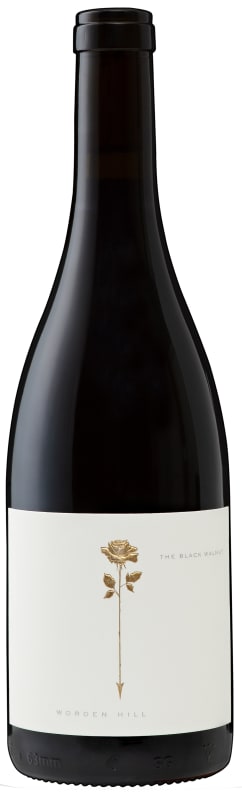


Winemaker Notes
Sitting at 860 feet in elevation, Black Walnut slopes south and is a well structured soil of loamy weathered basalt, pebbles and sand. Highly oxidized, the soil is a rich iron red color without as many pebbles as the “Red Dust” but is all eroded parent rock material, with some sparkling crystals fragments dancing in the eroded rock. The embrace of this wine is soft and inviting and with a respectful pause before it reveals its details and complexity. Seductively silky with expressive raspberry and plum flavors accented by black tea, river stone and warm spice details.
Professional Ratings
-
Wine Spectator
Elegantly dynamic, with a core of refined crushed-stone minerality, framed by multilayered raspberry and cherry flavors and savory herb and spice notes, finishing with polished tannins. Drink now through 2028.
-
Robert Parker's Wine Advocate
The 2017 Pinot Noir Worden Hill—The Black Walnut has a medium ruby color and opens with reductive notions of tar and struck flint over loam, blackberries and black cherries with underbrush and iodine notions. The palate offers much more at this youthful stage, with good concentration and earthy character. It has a firm, ripe frame and wonderful freshness, finishing long. Give this more time in bottle—there is potential for this wine to be better.
Rating: 92+? -
Wine & Spirits
Worden Hill is a rocky lens of decomposing basalt. It yielded a savory wine in 2017, with scents of briar and sod framing dark flavors of cherry and plum. The wine feels both heady and dusty, its saturated fruit character infused with a mineral slurry that adds structure and grip.


Thin-skinned, finicky and temperamental, Pinot Noir is also one of the most rewarding grapes to grow and remains a labor of love for some of the greatest vignerons in Burgundy. Fairly adaptable but highly reflective of the environment in which it is grown, Pinot Noir prefers a cool climate and requires low yields to achieve high quality. Outside of France, outstanding examples come from in Oregon, California and throughout specific locations in wine-producing world. Somm Secret—André Tchelistcheff, California’s most influential post-Prohibition winemaker decidedly stayed away from the grape, claiming “God made Cabernet. The Devil made Pinot Noir.”

Home of the first Pinot noir vineyard of the Willamette Valley, planted by David Lett of Eyrie Vineyard in 1966, today the Dundee Hills AVA remains the most densely planted AVA in the valley (and state). To its north sits the Chehalem Valley and to its south, runs the Willamette River. Within the region’s 12,500 acres, about 1,700 are planted to vine on predominantly basalt-based, volcanic, Jory soil.