

Winemaker Notes
Professional Ratings
-
Decanter
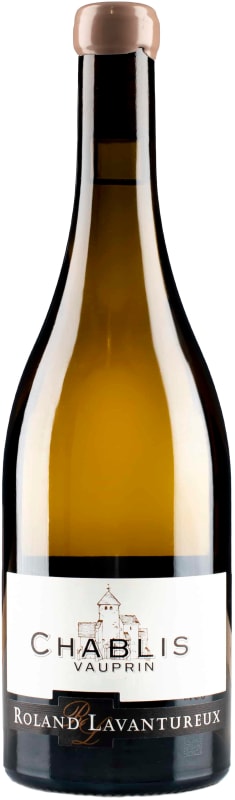
TOP VALUE & UNDER THE RADAR The new generation arrived in 2010 with the arrival of David & Arnaud, following on from their father/grand-father. Roland first bottled his own wines in 1979 and the domaine has gone from strength to strength in recent years. Vauprin is a special selection on the hill of Vauprin, situated close to Lignorelles. Vines range from 20-80 years old and the parcel is 1.8ha in size. This AP Chablis is notable for the confident way in which oak is used (up to 50%, ranging from new to five-year-old). Lovely density on the palate allied to purity of fruit. Here, the oak really does add a lot of complexity but the Chablis character is still evident underneath. A very fine Chablis.
-
Jasper Morris
Pale to mid lemon. This is very discreet on the nose, but magical on the palate, with that extra stretch that delivers much more at the finish. The wood shows just a little at the finish, but is integrating. Really gorgeous long finish with just a minor inflection of iodine which carries the minerals through to the back.


One of the most popular and versatile white wine grapes, Chardonnay offers a wide range of flavors and styles depending on where it is grown and how it is made. While it tends to flourish in most environments, Chardonnay from its Burgundian homeland produces some of the most remarkable and longest lived examples. California produces both oaky, buttery styles and leaner, European-inspired wines. Somm Secret—The Burgundian subregion of Chablis, while typically using older oak barrels, produces a bright style similar to the unoaked style. Anyone who doesn't like oaky Chardonnay would likely enjoy Chablis.

The source of the most racy, light and tactile, yet uniquely complex Chardonnay, Chablis, while considered part of Burgundy, actually reaches far past the most northern stretch of the Côte d’Or proper. Its vineyards cover hillsides surrounding the small village of Chablis about 100 miles north of Dijon, making it actually closer to Champagne than to Burgundy. Champagne and Chablis have a unique soil type in common called Kimmeridgian, which isn’t found anywhere else in the world except southern England. A 180 million year-old geologic formation of decomposed clay and limestone, containing tiny fossilized oyster shells, spans from the Dorset village of Kimmeridge in southern England all the way down through Champagne, and to the soils of Chablis. This soil type produces wines full of structure, austerity, minerality, salinity and finesse.
Chablis Grands Crus vineyards are all located at ideal elevations and exposition on the acclaimed Kimmeridgian soil, an ancient clay-limestone soil that lends intensity and finesse to its wines. The vineyards outside of Grands Crus are Premiers Crus, and outlying from those is Petit Chablis. Chablis Grand Cru, as well as most Premier Cru Chablis, can age for many years.