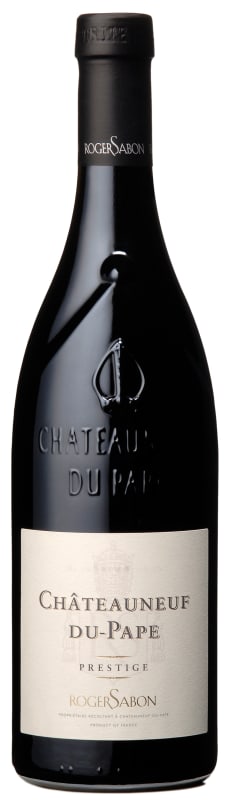


Winemaker Notes
Le Secret des Sabon began as an experimental cuvée and which has evolved to be one of the top wines of Châteauneuf-du-Pape. With only about a single demi-muid produced each year, from presumably old vines with their correspondingly low yields, there isn’t much to go around. It is quite surprising to taste Secret after the Cuvée Prestige, as one normally expects the “top” win of the estate to be the biggest, but this is a red herring. While there is an unmistakably glyceryl weight to Le Secret, it is more high-toned than you would initially expect. Red fruit predominates with stony and herbal accents that hint at a long life ahead. If we had to guess, we’d say that it is primarily Grenache and that it bears the hallmarks of a sandy terroir, but given the reticence of Didier and the generally more ethereal house style here, this is pure speculation.
Professional Ratings
-
Wine Spectator
Ripe, with a good range to the mix of red and black currant, cherry and dark plum fruit compote flavors, all supported by singed alder, leather and licorice root notes. Shows a bit more grip than most in this generally forward-styled vintage. Best from 2020 through 2035.
-
Robert Parker's Wine Advocate
For some inexplicable reason, the 2017 Chateauneuf du Pape Prestige failed to live up to my lofty expectations from last year. Perhaps it is just in a closed state after bottling? It's a blend of 70% Grenache, 20% Syrah, 5% Mourvèdre and 5% other permitted varieties that seems more subdued than the Reserve, although it does have some of the same floral and black cherry notes. It's full-bodied, creamy and rich, with a long, velvety finish that carries hints of chocolate and licorice. Tasted twice (once blind), with consistent notes. Rating: 94


With bold fruit flavors and accents of sweet spice, Grenache, Syrah and Mourvèdre form the base of the classic Rhône Red Blend, while Carignan, Cinsault and Counoise often come in to play. Though they originated from France’s southern Rhône Valley, with some creative interpretation, Rhône blends have also become popular in other countries. Somm Secret—Putting their own local spin on the Rhône Red Blend, those from Priorat often include Merlot and Cabernet Sauvignon. In California, it is not uncommon to see Petite Sirah make an appearance.

Famous for its full-bodied, seductive and spicy reds with flavor and aroma characteristics reminiscent of black cherry, baked raspberry, garrigue, olive tapenade, lavender and baking spice, Châteauneuf-du-Pape is the leading sub-appellation of the southern Rhône River Valley. Large pebbles resembling river rocks, called "galets" in French, dominate most of the terrain. The stones hold heat and reflect it back up to the low-lying gobelet-trained vines. Though the galets are typical, they are not prominent in every vineyard. Chateau Rayas is the most obvious deviation with very sandy soil.
According to law, eighteen grape varieties are allowed in Châteauneuf-du-Pape and most wines are blends of some mix of these. For reds, Grenache is the star player with Mourvedre and Syrah coming typically second. Others used include Cinsault, Counoise and occasionally Muscardin, Vaccarèse, Picquepoul Noir and Terret Noir.
Only about 6-7% of wine from Châteauneuf-du-Pape is white wine. Blends and single-varietal bottlings are typically based on the soft and floral Grenache Blanc but Clairette, Bourboulenc and Roussanne are grown with some significance.
The wine of Chateauneuf-du-Pape takes its name from the relocation of the papal court to Avignon. The lore says that after moving in 1309, Pope Clément V (after whom Chateau Pape-Clément in Pessac-Léognan is named) ordered that vines were planted. But it was actually his successor, John XXII, who established the vineyards. The name however, Chateauneuf-du-Pape, translated as "the pope's new castle," didn’t really stick until the 19th century.