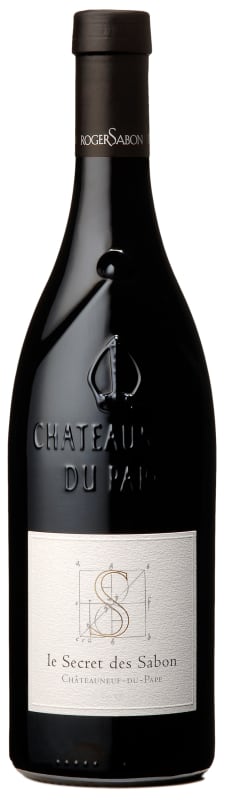


Winemaker Notes
Le Secret des Sabon began as an experimental cuvée which has evolved to be one of the top wines of Châteauneuf-du-Pape. With only about a single demi-muid produced each year, from presumably old vines with their correspondingly low yields, there isn’t much to go around. It is quite startling to taste Secret after the Cuvée Prestige, as one normally expects the “top” win of the estate to be the biggest, but this is a red herring. While there is an unmistakable glyceryl weight to Le Secret, it is more high-toned than you would initially expect. Red fruit predominates with stony and herbal accents that hint at a long life ahead.
Professional Ratings
-
Jeb Dunnuck
The tiny production 2019 Châteauneuf Du Pape Le Secret Des Sabon is a field blend of mostly Grenache brought up all in wooden tronconique barrels. It's closest in style to the Prestige Cuvée yet brings another level of opulence and richness without losing any sense of elegance or class. Blackberries, peppery herbs, graphite, crushed violets, and a liquid rock-like minerality all define the nose, and it hits the palate with incredible depth of fruit, full-bodied richness, and ripe yet building tannins. While the acidity is technically quite low (the pH is 3.8), it holds onto an undeniable sense of freshness and purity. It is just a thrilling, magical wine from this estate. While young and unevolved, with 3-5 years of cellaring required, it is a modern-day legend capable of evolving for over two decades.
-
Robert Parker's Wine Advocate
A top-notch effort, the 2019 Chateauneuf du Pape le Secret de Sabon—a blend of two old-vine Grenache parcels from sandier soils—offers up some floral and raspberry notes set against a dark backdrop of plums, mocha and dark chocolate. Full-bodied, dense and rich, it's almost fudge-like in intensity, but with adequate freshness, a deeply plush texture and tremendous length on the finish.
-
Decanter
Very dark, powerful, slightly tarry and roasted with a very intense - almost too intense - acidity. Surprisingly dark for Grenache on sandy soils, extremely concentrated. A driving, focussed, mineral expression that will take some time to reach its peak. Long finish. 3,000 bottles made. Mostly grown on sand, fermented in stainless steel, then aged in tronconic wooden vats.
-
Wine Spectator
Juicy, dense and packed, yet remarkably defined, with a mix of plum and racy-edged blackberry, boysenberry and raspberry reduction flavors, all laced with a licorice snap thread. Black tea, garrigue and humus accents underscore the finish as the fruit sails through with aplomb. A beauty.
-
Wine & Spirits
The Sabon family’s 45-acre estate is in the northeast of Châteauneuf, where the soils are sandy and rich in limestone; the oldest vines date to the early 1900s. They are the focus of this cuvée, mainly grenache with an undisclosed amount of other varieties blended in. The details of its vinification are also kept a secret, until its final destination, a single demi-muid barrel. The clarity of the 2019 suggests a light hand in the cellar: It radiates red fruit like sun filtered through a ruby. Underneath, fine-grained tannins gird the juicy fruit and draw out a meaty spice, the wine steadfast and lively at the same time. This will age well but it’s also delicious now, the balance of bright fruit and substantial spice suggesting a match with a paella studded with merguez sausages.


With bold fruit flavors and accents of sweet spice, Grenache, Syrah and Mourvèdre form the base of the classic Rhône Red Blend, while Carignan, Cinsault and Counoise often come in to play. Though they originated from France’s southern Rhône Valley, with some creative interpretation, Rhône blends have also become popular in other countries. Somm Secret—Putting their own local spin on the Rhône Red Blend, those from Priorat often include Merlot and Cabernet Sauvignon. In California, it is not uncommon to see Petite Sirah make an appearance.

Famous for its full-bodied, seductive and spicy reds with flavor and aroma characteristics reminiscent of black cherry, baked raspberry, garrigue, olive tapenade, lavender and baking spice, Châteauneuf-du-Pape is the leading sub-appellation of the southern Rhône River Valley. Large pebbles resembling river rocks, called "galets" in French, dominate most of the terrain. The stones hold heat and reflect it back up to the low-lying gobelet-trained vines. Though the galets are typical, they are not prominent in every vineyard. Chateau Rayas is the most obvious deviation with very sandy soil.
According to law, eighteen grape varieties are allowed in Châteauneuf-du-Pape and most wines are blends of some mix of these. For reds, Grenache is the star player with Mourvedre and Syrah coming typically second. Others used include Cinsault, Counoise and occasionally Muscardin, Vaccarèse, Picquepoul Noir and Terret Noir.
Only about 6-7% of wine from Châteauneuf-du-Pape is white wine. Blends and single-varietal bottlings are typically based on the soft and floral Grenache Blanc but Clairette, Bourboulenc and Roussanne are grown with some significance.
The wine of Chateauneuf-du-Pape takes its name from the relocation of the papal court to Avignon. The lore says that after moving in 1309, Pope Clément V (after whom Chateau Pape-Clément in Pessac-Léognan is named) ordered that vines were planted. But it was actually his successor, John XXII, who established the vineyards. The name however, Chateauneuf-du-Pape, translated as "the pope's new castle," didn’t really stick until the 19th century.