


Winemaker Notes
#20 Wine Spectator Top 100 of 2024
Roederer Estate Brut is crisp and elegant with complex pear, spice and hazelnut flavors. It is fresh and lightly fruity with great finesse and depth of flavor.
Blend: 60% Chardonnay, 40% Pinot Noir
The label for Roederer Estate Brut is in the process of changing. You may receive either of these two labels featured above. Specific labels cannot be requested.
Professional Ratings
-
Jeb Dunnuck
As with previous releases, the NV Brut is a 60-40 blend of Chardonnay and Pinot Noir with a refined mousse and dry, crisp, lengthy layers of green apple, citrus, and a bite of brioche. With 10-12% reserve wine from cask, it represents from five to seven vintages in one bottle, from two to seven years old, the style of the house. The reserve aged in oak adds texture and length, broadening the Chardonnay’s natural citrus-driven notes and lightness of being. Disgorged April 2024, the amount of dosage has gone down year to year and is around 9 grams per liter this time around.
-
James Suckling
A chardonnay-dominant, fresh and vibrant wine with aromas of sliced pears, wildflowers, citrus blossoms and wet stones. The plate shows fresh acidity, minerality and subtle, pleasing notes of fresh bread. Citrus juice and peel in the finish. Lovely, easygoing and pleasurable. Mainly 2021 vintage.
-
Decanter
The iconic Quarted blend of Chardonnay (60%) and Pinot Noir (40%) with two years in contact with the lees. From fog-shrouded Anderson Valley this shows supreme elegance, balance and poise. Pale straw colour. Attractive notes of citrus fruits, fresh dough, cashew nuts, star fruit, Mirabelle plum and fresh biscuits on the nose. The palate dry with a lovely creamy texture, amazing finesse and sophistication, followed by an assertive and refreshing finish.
-
Robert Parker's Wine Advocate
The current release of the NV Estate Brut is made up mainly of fruit from the 2015 vintage. It is a blend of 60% Chardonnay and 40% Pinot Noir and was made with about ten grams per liter dosage. Disgorged in October of 2018, it has a fresh, open nose with pure fruit expression: crushed apples, pears and lemon peel mingle with touches of stone, flowers and toast. The medium-bodied palate offers a lovely dichotomy of toasty fruits with uplifted citrusy, minerally accents with a finely beaded mousse, and it finishes long and ultra fresh.
-
Tasting Panel
Finely wrought and sure-footed, this estate-grown blend of 60% Chardonnay and 40% Pinot Noir (with 10%-15% oak-aged reserve wine) proffers scents of baguette, citrus and citrus blossom, vanilla-poached pear, and hazelnut that harmonize with notes of green and golden apple, lemon balm, and subtle tarragon on the palate itself gloriously silky, with round acidity and a scintillating finish.
-
Wine Spectator
Dynamic yet sleekly elegant, with rich strawberry and apple flavors that are accented by spiced cinnamon and yeast roll as this dances toward the vibrant finish. Chardonnay and Pinot Noir.
-
Wilfred Wong of Wine.com
The Roederer Estate Brut has always garnered a special place amongst the folks in the wine trade. This is my go-to bubbly from anywhere in the New World and often in place of higher price bubblies from France and Italy. Yes, this one is as solid as they come. Medium straw color, refined beads; excellent aroma of ripe apples and light creaminess, maybe even a hint of hazelnut; medium bodied, delicately layered on the palate, excellent structure; dry, fine acidity, well balanced; complex flavors of ripe apples and cream; medium to long finish, fine nuances in the aftertaste. (Tasted: August 11, 2015, San Francisco, CA)
-
Wine Enthusiast
This crisp, fruity and citrus-accented wine has plenty of green apple and lemon flavors, brisk bubbles and a clean, tangy finish. A flavor of fresh-baked bread and a softer texture develop with time in the glass.
-
Wine & Spirits
Pretty red fruit introduces this wine, with hints of rose and cranberry (it’s 40 percent pinot noir, the balance chardonnay). The flavors are bright and juicy, edged with a little baking spice, then ending on gentle notes of tart lemon and white flowers. An elegant start to a dinner party.
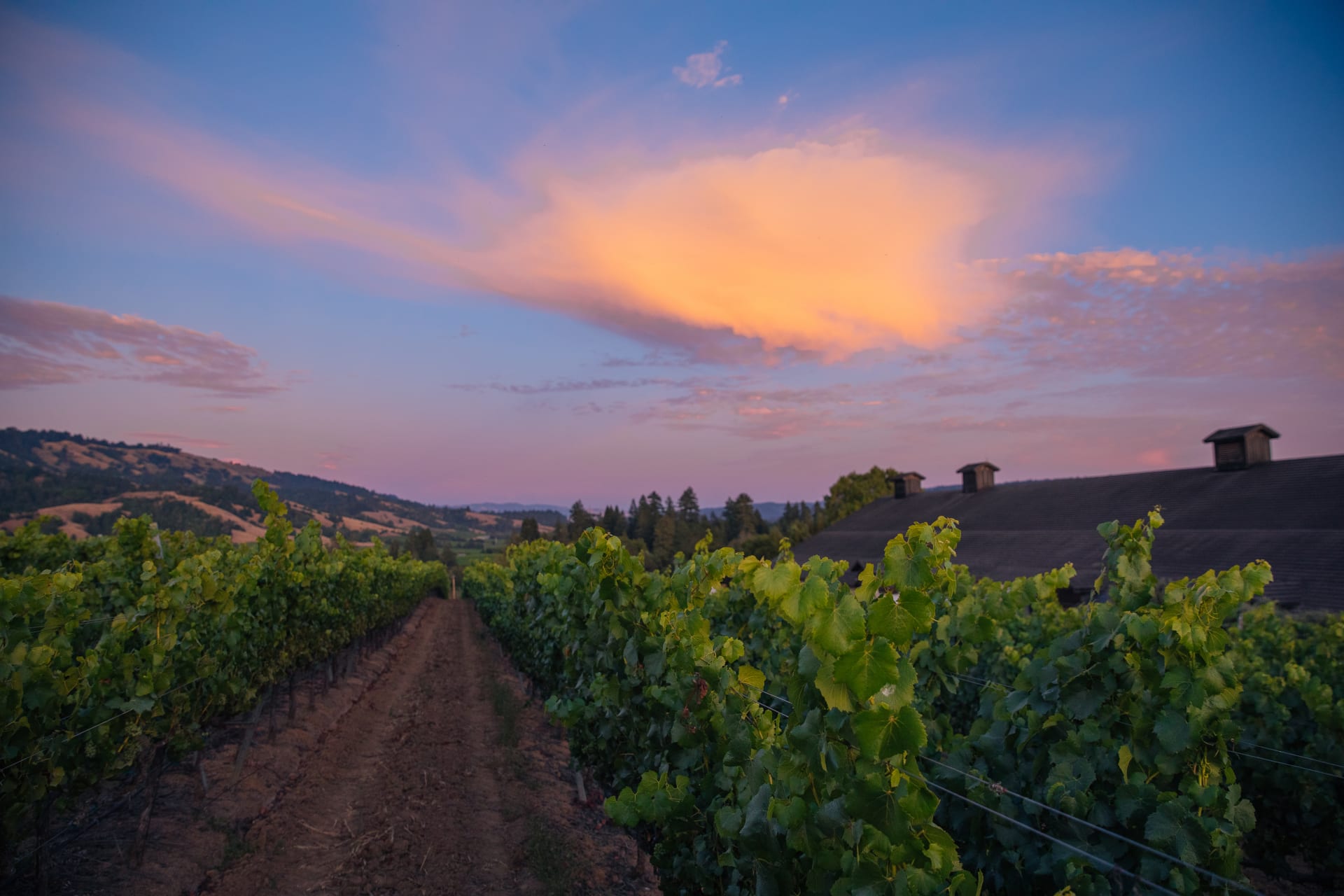



Founded in 1982, Roederer Estate is nestled in Mendocino County’s fog-shrouded, Anderson Valley. As the California property of Champagne Louis Roederer, Roederer Estate builds upon a centuries-old tradition of fine winemaking. Roederer's unique winemaking style is based on two elements: complete ownership of its vineyards and the addition of oak-aged reserve wines to each year's blend or cuvee to create complex, dry and harmonious sparkling wines.
The crisp, fresh and rich flavors of Roederer Estate sparkling wines reflect the cool Anderson Valley that is home to their family-owned estate's 600 acres of vineyards. This protected valley in Northern California provides the ideal ripening conditions for their 100% estate-grown Pinot Noir and Chardonnay grapes. The blending team is comprised of the winemakers from the California property as well as from Champagne Louis Roederer, ensuring that Roederer Estate remains the most French of the California sparklers.

A term typically reserved for Champagne and Sparkling Wines, non-vintage or simply “NV” on a label indicates a blend of finished wines from different vintages (years of harvest). To make non-vintage Champagne, typically the current year’s harvest (in other words, the current vintage) forms the base of the blend. Finished wines from previous years, called “vins de reserve” are blended in at approximately 10-50% of the total volume in order to achieve the flavor, complexity, body and acidity for the desired house style. A tiny proportion of Champagnes are made from a single vintage.
There are also some very large production still wines that may not claim one particular vintage. This would be at the discretion of the winemaker’s goals for character of the final wine.

Surrounded by redwood forests and often blanketed in chilly, ocean fog, the Anderson Valley is one of California’s most picturesque appellations. During the growing season, moist, cool, late afternoon air flows in from the Pacific Ocean along the Navarro River and over the valley's golden, oak-studded hills. High and low temperatures can vary as much as 40 or 50 degrees within a single day, allowing for slow and gentle ripening of grapes, which will in turn create elegantly balanced wines.
The Anderson Valley is best known for Pinot Noir made in a range of styles from delicate and floral to powerful and concentrated. Chardonnay also shines here, and both varieties are often utilized for the production of some of California’s best traditional method sparkling wines. The region also draws inspiration from Alsace and produces excellent Riesling, Gewürztraminer, Pinot Blanc and Pinot Gris.