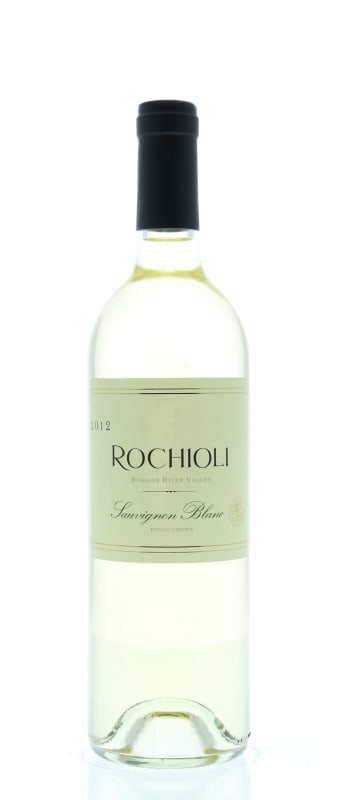


Winemaker Notes
Professional Ratings
-
Wine & Spirits
This sauvignon’s succulence and its bold depths of flavor come from old vines, some dating to 1960, planted by Joe Rochioli from a selection he gathered at an old UC Davis field station. About 40 percent of the blend comes from younger vines (2001). While the tree fruit flavors are supple, with spicy hints of lees, the structure is firm and tight, then mouthwatering and as clean as well water in the end. It has the cool feel of asparagus tips snapped from a spring garden, and will carry that freshness right through to the fall.
-
Wine Enthusiast
This Sauvignon Blanc impresses for subtle elegance. It’s not the biggest or the fruitiest, doesn’t dazzle with richness, and doesn’t club you over the head with oak. Instead, it offers dryness, crisp acidity and tart green apple, lemongrass, cream and vanilla flavors.
-
Robert Parker's Wine Advocate
The 2012 Sauvignon Blanc does not include as high a percentage of old vine material as it used to, but it offers lots of flinty, stony, crisp pineapple, grapefruit and melon notes, medium body and good freshness. A terrific example of Sauvignon Blanc, it should be enjoyed over the next 1-3 years.


Capable of a vast array of styles, Sauvignon Blanc is a crisp, refreshing variety that equally reflects both terroir and varietal character. Though it can vary depending on where it is grown, a couple of commonalities always exist—namely, zesty acidity and intense aromatics. This variety is of French provenance. Somm Secret—Along with Cabernet Franc, Sauvignon Blanc is a proud parent of Cabernet Sauvignon. That green bell pepper aroma that all three varieties share is no coincidence—it comes from a high concentration of pyrazines (herbaceous aromatic compounds) inherent to each member of the family.

A standout region for its decidedly Californian take on Burgundian varieties, the Russian River Valley is named for the eponymous river that flows through it. While there are warm pockets of the AVA, it is mostly a cool-climate growing region thanks to breezes and fog from the nearby Pacific Ocean.
Chardonnay and Pinot Noir reign supreme in Russian River, with the best examples demonstrating a unique combination of richness and restraint. The cool weather makes Russian River an ideal AVA for sparkling wine production, utilizing the aforementioned varieties. Zinfandel also performs exceptionally well here. Within the Russian River Valley lie the smaller appellations of Chalk Hill and Green Valley. The former, farther from the ocean, is relatively warm, with a focus on red and white Bordeaux varieties. The latter is the coolest, foggiest parcel of the Russian River Valley and is responsible for outstanding Pinot Noir and Chardonnay.