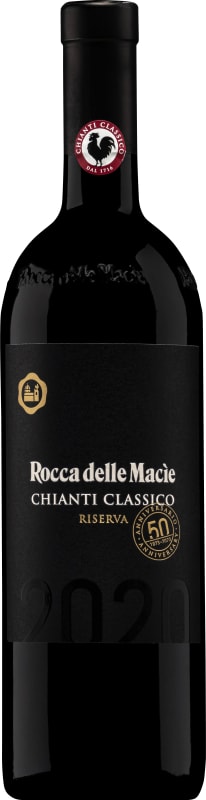


Winemaker Notes
Ruby red tending towards garnet Rich, intense and complex notes of cherry, plum and spice Dry, soft, gently tannic with good structure.
Professional Ratings
-
Wine Spectator
Aromatic, this red features tomato leaf, juniper and lavender notes that complement the cherry, blackberry, iron and earth flavors. Firms up nicely, leaving a lingering impression of fruit, savory notes and minerality. Sangiovese, Cabernet Sauvignon and Merlot. Best from 2025 through 2042. 29,150 cases made, 9,000 cases imported.
-
Wine Enthusiast
An almost fiery nose has black pepper, grilled meat, hot tar and graphite, with earthy notes of mushroom and wet leaves underneath. Black cherry and plum sit on top of dark chocolate on the palate, where a bite of astringency from orange pith lifts up the finish.
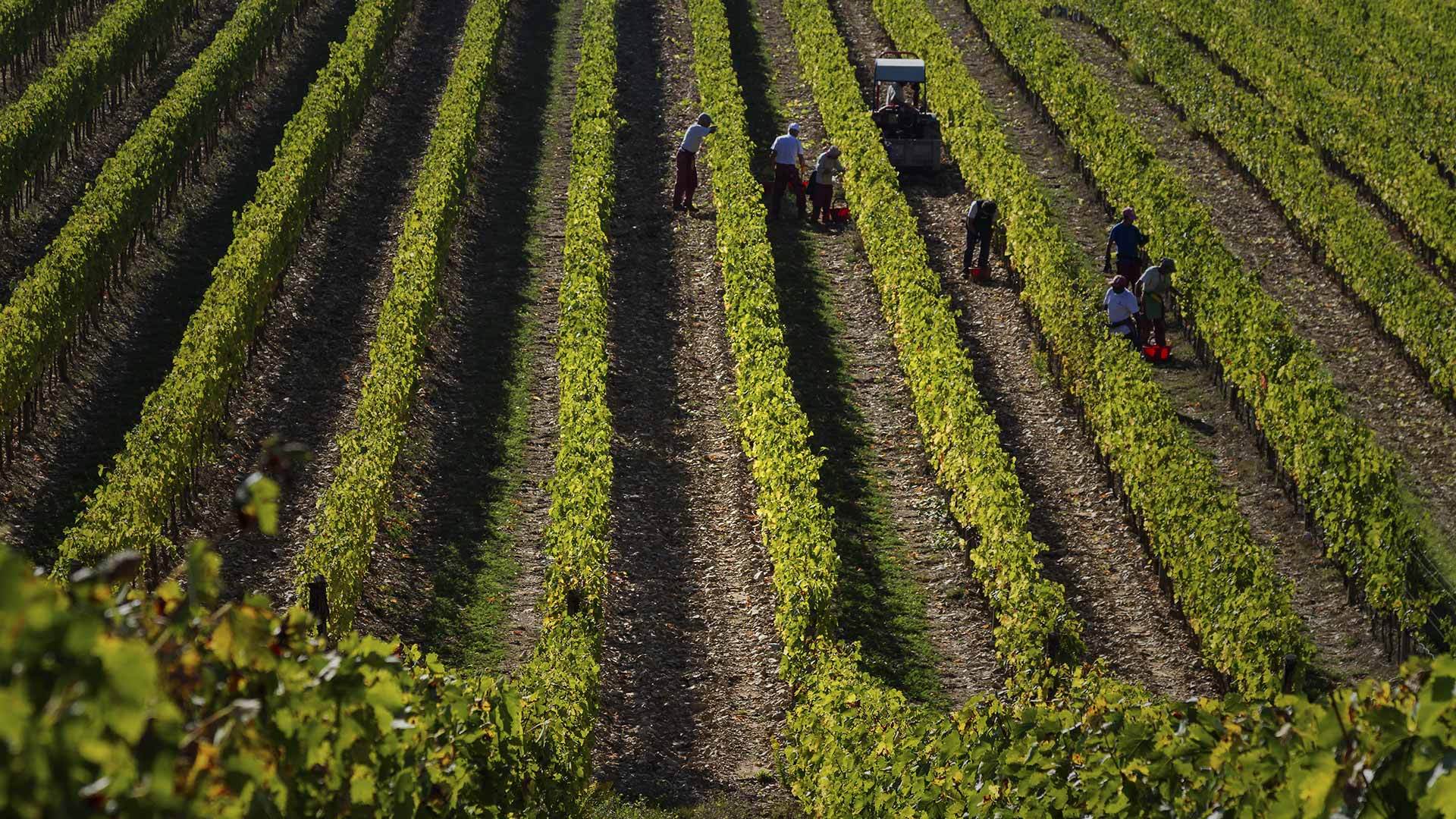


For well over 40 years the Zingarelli family has dedicated themselves to Tuscany's Rocca delle Macìe, crafting the finest wines, providing meticulous attention to the vineyards, and championing Chianti Classico DOC. One of the most successful producers of Chianti Classico in the world, Rocca delle Macìe is a family-owned winery with family values.
When the late Italo Zingarelli, a successful film producer best known for his popular spaghetti westerns, bought Rocca delle Macìe in Tuscany's Chianti Classico district in 1973, he embarked on a new career as one of Tuscany's more unlikely wine producers. Working closely with his son Sergio, Zingarelli set about restoring the property that Sergio, together with his wife Daniela and their two children, now call home.
Today, the Zingarelli family, led by Sergio, aims to produce elegant wines that are always expressive of their unique terroir. Sergio, a two-time chairman of the of the Chianti Classico Consorzio, is a strong advocate for the terroir of Chianti Classico and the Sangiovese grape; Rocca delle Macìe is one of the few Tuscan wineries with a DOCG at the very top of their quality pyramid.

Among Italy's elite red grape varieties, Sangiovese has the perfect intersection of bright red fruit and savory earthiness and is responsible for the best red wines of Tuscany. While it is best known as the chief component of Chianti, it is also the main grape in Vino Nobile di Montepulciano and reaches the height of its power and intensity in the complex, long-lived Brunello di Montalcino. Somm Secret—Sangiovese doubles under the alias, Nielluccio, on the French island of Corsica where it produces distinctly floral and refreshing reds and rosés.

One of the first wine regions anywhere to be officially recognized and delimited, Chianti Classico is today what was originally defined simply as Chianti. Already identified by the early 18th century as a superior zone, the official name of Chianti was proclaimed upon the area surrounding the townships of Castellina, Radda and Gaiole, just north of Siena, by Cosimo III, Grand Duke of Tuscany in an official decree in 1716.
However, by the 1930s the Italian government had appended this historic zone with additonal land in order to capitalize on the Chianti name. It wasn’t until 1996 that Chianti Classico became autonomous once again when the government granted a separate DOCG (Denominazione di Origine Controllata e Garantita) to its borders. Ever since, Chianti Classico considers itself no longer a subzone of Chianti.
Many Classicos are today made of 100% Sangiovese but can include up to 20% of other approved varieties grown within the Classico borders. The best Classicos will have a bright acidity, supple tannins and be full-bodied with plenty of ripe fruit (plums, black cherry, blackberry). Also common among the best Classicos are expressive notes of cedar, dried herbs, fennel, balsamic or tobacco.