


Winemaker Notes
The aromas and flavors transport you to a garden party in the South with floral hints of lilac, gardenia, magnolia flowers and fresh fruit notes of apricot or white peach, pear and lychee backed by classic Riesling mineral characteristics and hints of lime. The citrus notes add a crisp and refreshingly long finish.
This wine is vibrant and delicious young and will pair with almost anything you want to throw at it from fish tacos to pad thai to tarte flambe, but the wine will only become more complex with time in the cellar as the flavors merge and texture becomes more round.

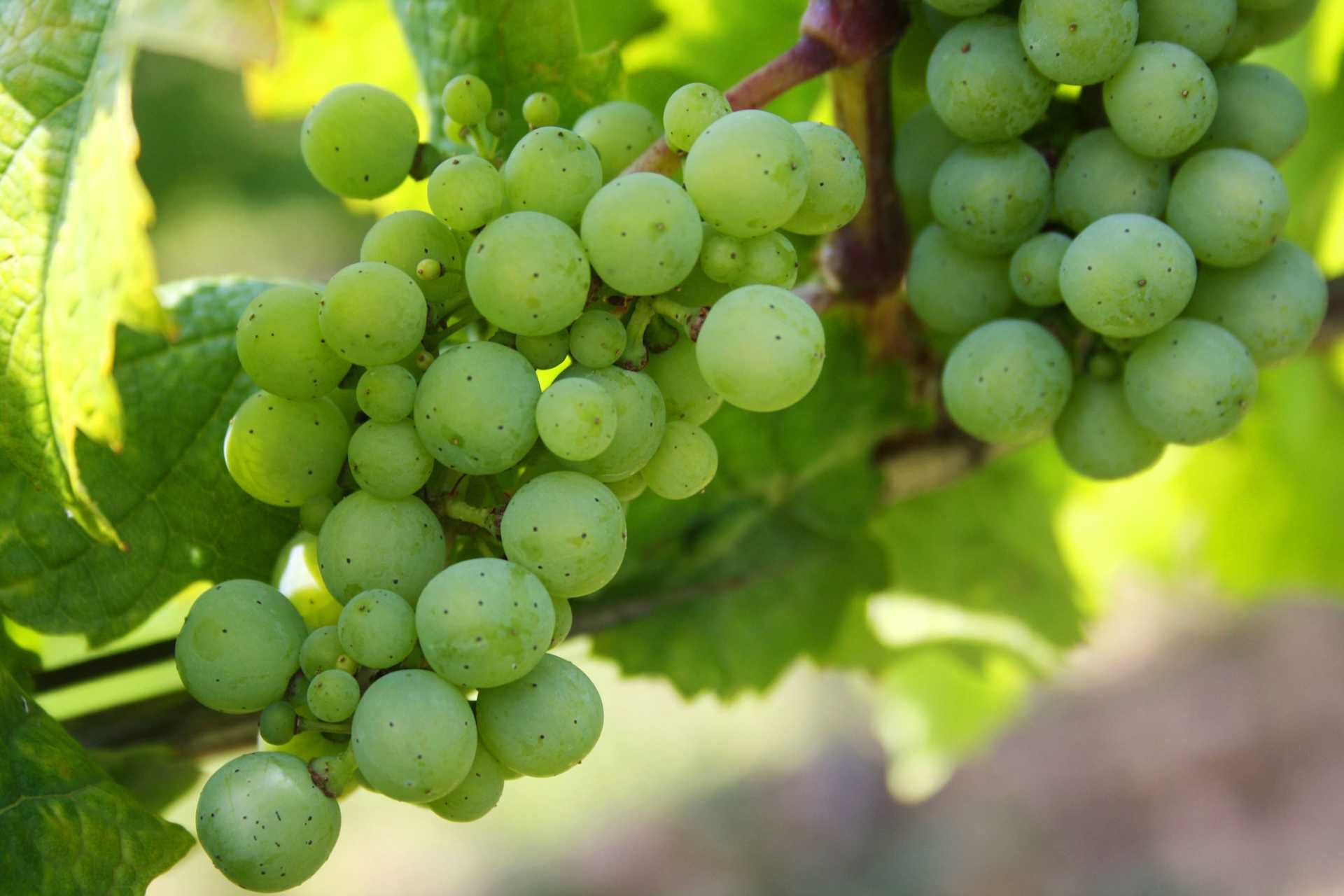
With hundreds of white grape varieties to choose from, winemakers have the freedom to create a virtually endless assortment of blended white wines. In many European regions, strict laws are in place determining the set of varieties that may be used in white wine blends, but in the New World, experimentation is permitted and encouraged. Blending can be utilized to enhance balance or create complexity, lending different layers of flavors and aromas. For example, a variety that creates a soft and full-bodied white wine blend, like Chardonnay, would do well combined with one that is more fragrant and naturally high in acidity. Sometimes small amounts of a particular variety are added to boost color or aromatics. Blending can take place before or after fermentation, with the latter, more popular option giving more control to the winemaker over the final qualities of the wine.

Known for elegant wines that combine power and finesse, Carneros is set in the rolling hills that straddle the southernmost parts of both Sonoma and Napa counties. The cooling winds from the abutting San Pablo Bay, combined with lots of midday California sunshine, create an ideal environment for producing wines with a perfect balance of crisp acidity and well-ripened fruit.
This cooler pocket of California lends itself to growing Pinot Noir, Chardonnay and Syrah. Carneros is an important source of sparkling wines made in the style of Champagne as well.