


Winemaker Notes
The Dolcetto for this wine is sourced from both the Paje and Carso vineyards in Barbaresco, which is part of the Asili hill. Paje is particularly rich in calcareous marl soil with a high content of active limestone. Carso sits next to the fortresses of Barbaresco, facing East, with limestone clay soil and a significant presence of sand. Hand-harvested in September. The vines for this wine have a minimum age of 45 years. Fermented lasts for ten days in large french casks with a pied de cuvee made with indigenous yeasts. Submerged cap maceration then follows for 90-100 days. The wine then ages in neutral french oak botti for approximately one year.
Professional Ratings
-
Robert Parker's Wine Advocate
These are not happy times for Dolcetto, with many vintners today ripping out their vines to replace this grape with Nebbiolo. The Roagna family is determined to keep its two parcels of Dolcetto in Barbaresco. Luca's grandfather drank Dolcetto every day, and just as he loved it, this wine is made in an old-school style. Fruit comes from 70- and 80-year-old vines. The 2023 Dolcetto d'Alba sees an incredible 100 days of maceration, and the idea is to get as much tannin as possible from the skins and seeds because Dolcetto is not naturally tannic. Winemaking is an infusion with submerged cap. Pump-overs and punch-downs are largely avoided. This gives the wine just enough structure for a modest aging window. Otherwise, you get very pleasurable, crunchy fruit over a mid-weight delivery with delicate tones of rose, violet and cherry cola.
-
Vinous
The 2023 Dolcetto d'Alba is aromatic, gracious and light on its feet. Crushed flowers, spice, licorice, leather and blue-toned fruit all grace this understated Dolcetto. The 2023 spent nearly 90 days on the skins, followed by aging in cask and cement. Like so many wines in this vintage,

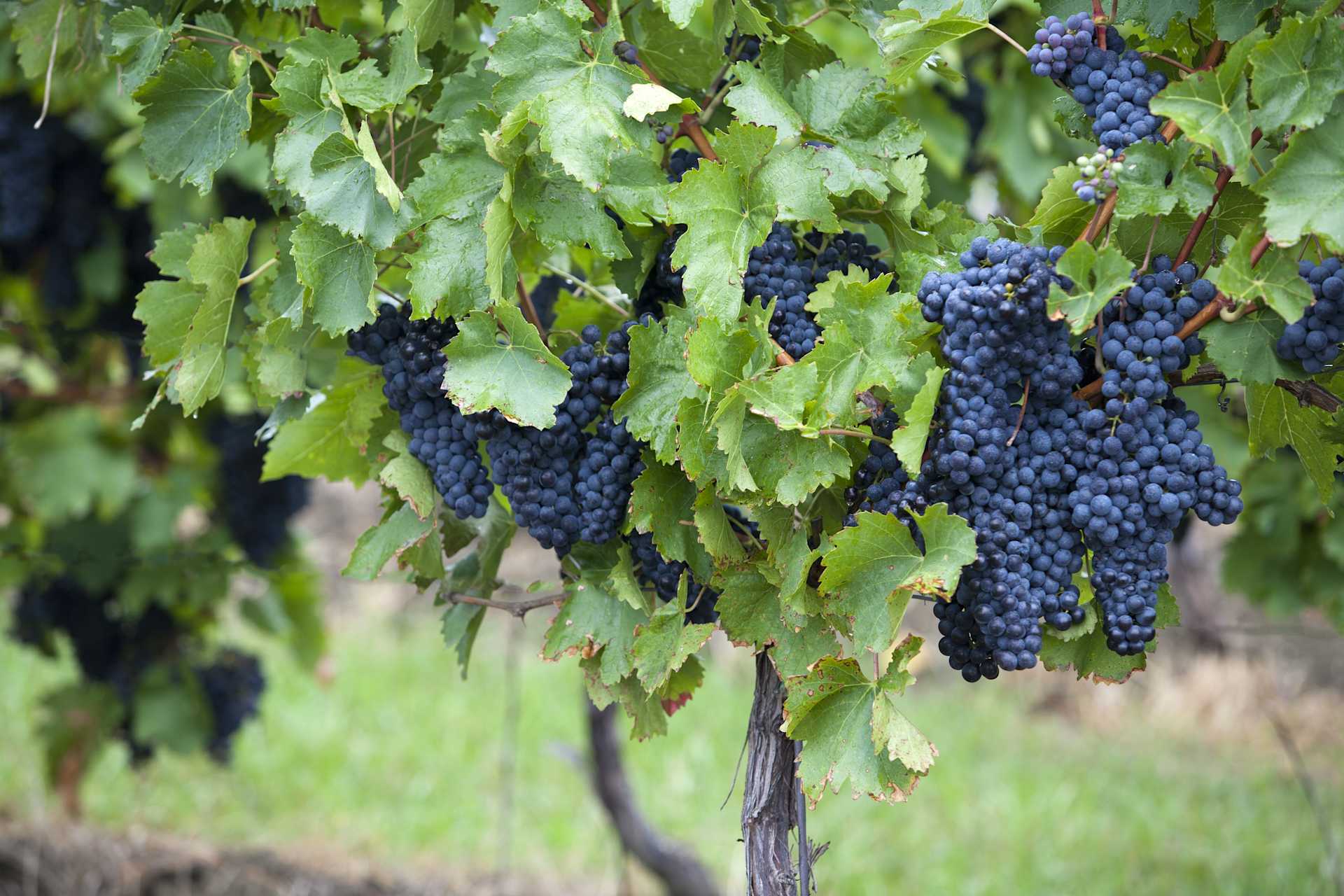
An easy drinking red with soft fruity flavors—but catchy tannins, Dolcetto is often enjoyed in its native Piedmont on a casual weekday night, or for apertivo (the canonical Piedmontese pre-dinner appetizer hour). Somm Secret—In most of Piedmont, easy-ripening Dolcetto is relegated to the secondary sites—the best of which are reserved for the king variety: Nebbiolo. However, in the Dogliani zone it is the star of the show, and makes a more serious style of Dolcetto, many of which can improve with cellar time.

An historic village situated right in between the famous regions of Barolo and Barbaresco, Alba is also the name for the larger wine region surrounding the village.
In a sense, “Alba” is a catch-all phrase, and includes the declassified Nebbiolo wines made in Barolo and Barbaresco, as well as the Nebbiolo grown just outside of these regions’ borders. In fact, Nebbiolo d’Alba is a softer, less tannic and more fruit-forward wine ready to drink within just a couple years of bottling. It is a great place to start if you want to begin to understand the grape. Likewise, the even broader category of Langhe Nebbiolo offers approachable and value-driven options as well.
Barbera, planted alongside Nebbiolo in the surrounding hills, and referred to as Barbera d’Alba, takes on a more powerful and concentrated personality compared to its counterparts in Asti.
Dolcetto is ubiquitous here and, known as Dolcetto d'Alba, can be found casually served alongside antipasti on the tables of Alba’s cafes and wine bars.
Not surprisingly, given its location, Alba is recognized as one of Italy’s premiere culinary destinations and is the home of the fall truffle fair, which attracts visitors from worldwide every year.