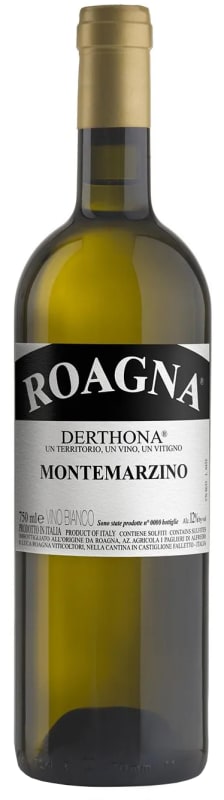


Winemaker Notes
The most recent white wine created by Roagna, conceived from the idea of obtaining an indigenous white wine with very long ageing potential.
The Timorasso grapes, a historical variety from the Colli Tortonese, are transported to the winery in small crates.
The whole grapes macerate for a few hours in the press. After pressing, the must is left to brown, without the addition of sulphites; the wine then ferments in wooden vats with a pied de cuve made from indigenous yeasts, and is then aged on its lees, on the bottom of the vats, for two years.
Professional Ratings
-
Vinous
The 2021 Timorasso Derthona Montemarzino is ethereal and light on it's feet. More importantly, Luca Roagna coaxes a level of textural finesse that is not common with Tomorasso, all while retaining the grape's phenolic feel. Mint, dried lemon peel, almond, sage and yellow flavors all develop in this savory, vibrant dry white.
-
Wine Spectator
This piercing style's mineral, floral, honey, lemon cake and butter flavors prevail. Well integrated and packed with personality, with an aftertaste of citrus and butter.


There are hundreds of white grape varieties grown throughout the world. Some are indigenous specialties capable of producing excellent single varietal wines. Each has its own distinct viticultural characteristics, as well as aroma and flavor profiles.

Set upon a backdrop of the visually stunning Alps, the enchanting and rolling hills of Piedmont are the source of some of the country’s longest-lived and most sought-after red wines. Vineyards cover a great majority of the land area—especially in Barolo—with the most prized sites at the top hilltops or on south-facing slopes where sunlight exposure is maximized. Piedmont has a continental climate with hot, humid summers leading to cold winters and precipitation year-round. The reliable autumnal fog provides a cooling effect, especially beneficial for Nebbiolo, Piedmont’s most prestigious variety.
In fact, Nebbiolo is named exactly for the arrival of this pre-harvest fog (called “nebbia” in Italian), which prolongs cluster hang time and allows full phenolic balance and ripeness. Harvest of Nebbiolo is last among Piedmont's wine varieties, occurring sometime in October. This grape is responsible for the exalted Piedmont wines of Barbaresco and Barolo, known for their ageability, firm tannins and hallmark aromas of tar and roses. Nebbiolo wines, despite their pale hue, pack a pleasing punch of flavor and structure; the best examples can require about a decade’s wait before they become approachable. Barbaresco tends to be more elegant in style while Barolo is more powerful. Across the Tanaro River, the Roero region, and farther north, the regions of Gattinara and Ghemme, also produce excellent quality Nebbiolo.
Easy-going Barbera is the most planted grape in Piedmont, beloved for its trademark high acidity, low tannin and juicy red fruit. Dolcetto, Piedmont’s other important red grape, is usually ready within a couple of years of release.
White wines, while less ubiquitous here, should not be missed. Key Piedmont wine varieties include Arneis, Cortese, Timorasso, Erbaluce and the sweet, charming Muscat, responsible for the brilliantly recognizable, Moscato d'Asti.