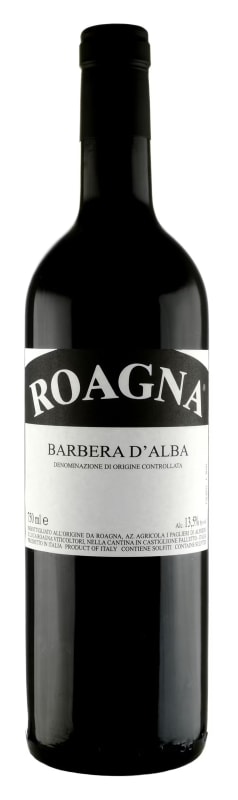


Winemaker Notes
A historical variety found in Roagna's estate-owned vineyards, near the new cellar. The oldest vines date back to the 1930s. The submerged cap maceration method is used and lasts about 60-70 days. The wine then ages for about five years in neutral wood and concrete vats.
Professional Ratings
-
Vinous
Roagna's 2020 Barbera d'Alba is soft, pliant and inviting. Crushed rose petal, bright red-toned fruit, blood orange, cedar and spice all meld together. Soft, silky contours wrap it all together in style. The 2020 was aged in cask, one that was new, and there is the slightest hint of oak in the wine. This is a bit unusual for the house style but works well here.
-
Wine Spectator
Mellowing and ready to enjoy, this Barbera exudes cherry, raspberry, floral and mineral aromas and flavors. Its bright acidity engages the palate, while a pleasant astringency cleanses the tart finish.


Friendly and approachable, Barbera produces wines in a wide range of styles, from youthful, fresh and fruity to serious, structured and age-worthy. Piedmont is the most famous source of Barbera; those from Asti and Alba garner the most praise. Barbera actually can adapt to many climates and enjoys success in some New World regions. Somm Secret—In the past it wasn’t common or even accepted to age Barbera in oak but today both styles—oaked and unoaked—abound and in fact most Piedmontese producers today produce both styles.

An historic village situated right in between the famous regions of Barolo and Barbaresco, Alba is also the name for the larger wine region surrounding the village.
In a sense, “Alba” is a catch-all phrase, and includes the declassified Nebbiolo wines made in Barolo and Barbaresco, as well as the Nebbiolo grown just outside of these regions’ borders. In fact, Nebbiolo d’Alba is a softer, less tannic and more fruit-forward wine ready to drink within just a couple years of bottling. It is a great place to start if you want to begin to understand the grape. Likewise, the even broader category of Langhe Nebbiolo offers approachable and value-driven options as well.
Barbera, planted alongside Nebbiolo in the surrounding hills, and referred to as Barbera d’Alba, takes on a more powerful and concentrated personality compared to its counterparts in Asti.
Dolcetto is ubiquitous here and, known as Dolcetto d'Alba, can be found casually served alongside antipasti on the tables of Alba’s cafes and wine bars.
Not surprisingly, given its location, Alba is recognized as one of Italy’s premiere culinary destinations and is the home of the fall truffle fair, which attracts visitors from worldwide every year.