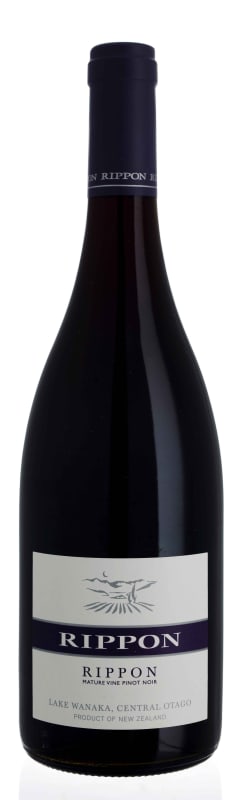


Winemaker Notes
Aromas of lavender, strawberries, red cherries with hints of mineral, cinnamon and Darjeeling tea.
Professional Ratings
-
James Suckling
This is such profoundly complex pinot with violets, dark cherries, plums, blueberries, graphite, black tea, peppery nuances, licorice and woody spices, all taking a role on the nose. The palate has such density and precision, delivering a powerfully composed and profoundly concentrated core of blueberry and dark-cherry flavor in a layered and refined style. Such impressive depth and character. From biodynamically grown grapes. Drink or hold.
-
Robert Parker's Wine Advocate
The 2016 Mature Vine Pinot Noir is looking so mineral and fine today. The tannins have further pulverized into the fruit, veritably bleeding through the pulsing red berry register of flavor. It ebbs and seeps out into the wine, leaving a trail of ferruginous tannin and texture in its wake. They age so slowly, these wines, and this is testament to the graceful evolution they can offer.
-
Wine Enthusiast
From one of New Zealand’s most celebrated wineries, located on the pristine shores of Lake Wanaka, this Pinot is made for the long haul. Brambly fruit and spice center on an earthy, spicy core. Dense, nearly impenetrable on the palate, a powerful line of taut, fine tannins cinch the fruit and spice. While just starting to show some age, this remains an austere but laser-focused wine that requires patience, but should reward in spades with time in cellar. Drink 2021–2035.
-
Wine Spectator
Complex and bold, with cigar box aromas leaping out of the glass, offering notes of dried porcino, black tea and sandalwood. Blackberry and plum flavors show good concentration. Velvety tannins gain traction on the finish. Drink now through 2035.


Thin-skinned, finicky and temperamental, Pinot Noir is also one of the most rewarding grapes to grow and remains a labor of love for some of the greatest vignerons in Burgundy. Fairly adaptable but highly reflective of the environment in which it is grown, Pinot Noir prefers a cool climate and requires low yields to achieve high quality. Outside of France, outstanding examples come from in Oregon, California and throughout specific locations in wine-producing world. Somm Secret—André Tchelistcheff, California’s most influential post-Prohibition winemaker decidedly stayed away from the grape, claiming “God made Cabernet. The Devil made Pinot Noir.”

Home to the globe’s most southerly vineyards, which are cultivated below the 45th parallel, Central Otago is a true one-of-a-kind wine growing region, but not only because of its extreme location.
Central Otago is more dependent on one single variety than any other region in New Zealand—and it isn’t Sauvignon blanc. They don’t even make Sauvignon blanc there.
Pinot Noir claims nearly 75% of the region’s vineyards with Pinot Gris coming in a far second place and Riesling behind it. This is also New Zealand’s only wine region with a continental climate, giving it more diurnal and seasonal temperature shifts than any other.
The subregion of Bannockburn has enjoyed the most success historically but the area’s exceptional growth has moved to the promising regions of Cromwell/Bendigo and Alexandra districts. Central Otago is known for its fruity and full-bodied Pinot noir. With the freedom to experiment here, growers and winemakers are easily exhibiting the area’s great potential.