

Winemaker Notes
Rihaku was named for a famous poet in China who lived from 701-762 and was famous for drinking a lot before writing. He was known to have said, "I drink a bottle, and can write 100 poems."
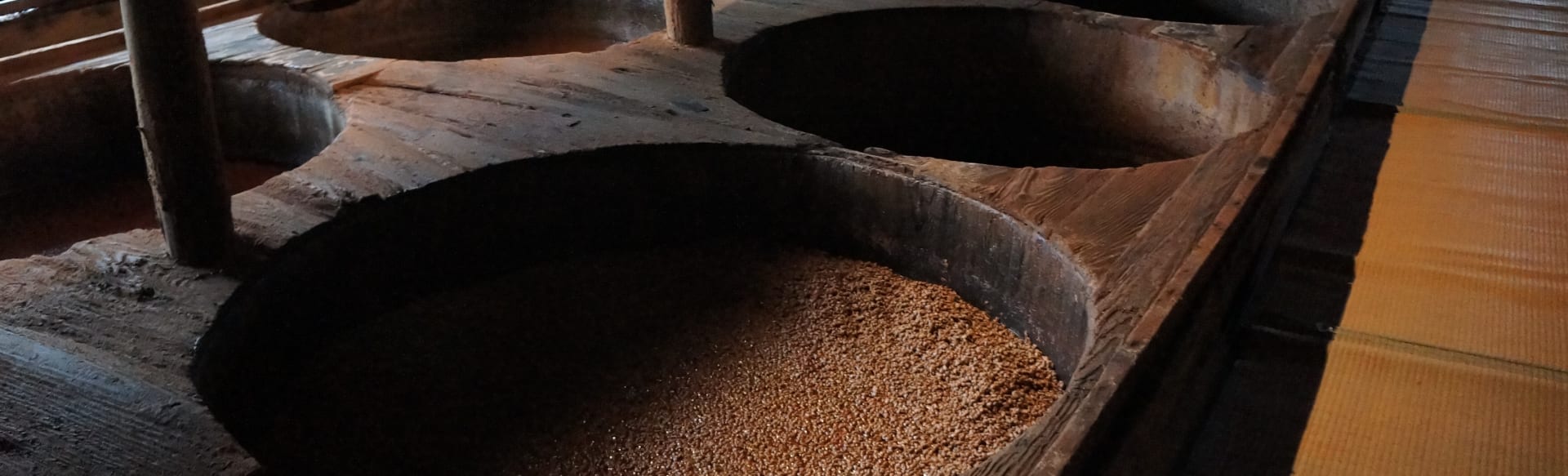


Rihaku Shuzo was founded in 1882 in Matsue City in Shimane, although it was not until 1928 that they adopted the name Rihaku. Rihaku was a famous poet in China, and is also known in English as Li Po. Rihaku lived from 701 to 762, and was known for his fondness for the bottle. He was a kind, open-minded, wandering poet that was famous for drinking a lot before writing. He was known to have said, "I drink a bottle, and can write 100 poems." The brewery makes use of Rihaku's poems and phrases in their brochures and on the labels, and quote him often. Several of their sakes are named with phrases from the great poet's words.

A notch above Junmai in its milling requirement, by definition Junmai Ginjo requires milling of 40% of the rice grain so that 60% of each grain remains. The categories of saké are established not by rice variety, but by the polishing or milling percentages. Junmai Ginjo is made up solely of water, koji mold, yeast and rice and is brewed without any additon of alcohol. This style goes well with fresh, lightly seasoned dishes such as sashimi, carpaccio or seared oysters.

The introduction of the waterwheel in the 17th century, which eliminated the need for the manual polishing of rice grains, allowed Japan to begin producing saké at an industrial level for its greater population. Today Japan remains at the cutting edge of technology in its brewing practices. However, the traditional methods of handcrafted, artisanal saké remain alive in smaller and often family-owned breweries. Many of these showcase local ingredients and focus on microclimates to make what is known as ‘jizake,’ or regional saké.