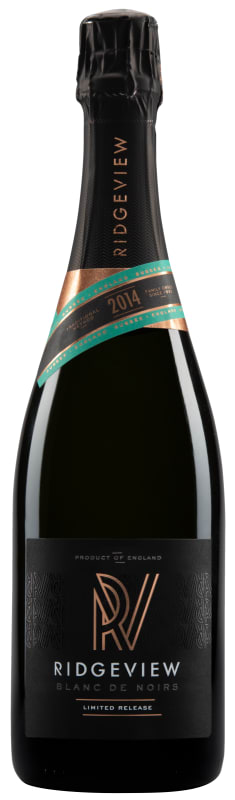


Winemaker Notes
A deep golden colour with a persistent fine stream of bubbles. Rich, earthy red fruit aromas are followed by a complex toasted palate. The finish is long-lasting and beautifully balanced. The rich earthy character of this wine complements dishes including light game meats or canapés featuring mushrooms or lamb.
Blend: 62% Pinot Noir, 38% Pinot Meunier
Professional Ratings
-
Wine Enthusiast
Red Delicious apple, wet chalk and oatmeal on the nose announce a sparkling wine with power and backbone. The palate confirms this with creamy but sinuous richness that smooths the slender body with its fine mousse. There is wonderful autolytic depth and, above all, creamy generosity and ample freshness.
-
Wine & Spirits
Based at the edge of the South Downs, north of the Channel at Brighton, the Roberts family grows this blend of pinot noir (68 percent) and meunier on chalk and clay soils. It’s a crisp, clean sparkler with floral touches of strawberries, almonds and Red Delicious apples. The fruit feels healthy, the wine completely satisfying.
-
Robert Parker's Wine Advocate
The 2014 Brut Blanc de Noirs Limited Release is showing well, offering up aromas of pear, cherries, papaya, buttered toast and honeycomb. Medium-bodied, fleshy and enveloping, it has a pillowy mousse, succulent acids and a saline finish. This is one of the finest new releases from Ridgeview.


Representing the topmost expression of a Champagne house, a vintage Champagne is one made from the produce of a single, superior harvest year. Vintage Champagnes account for a mere 5% of total Champagne production and are produced about three times in a decade. Champagne is typically made as a blend of multiple years in order to preserve the house style; these will have non-vintage, or simply, NV on the label. The term, "vintage," as it applies to all wine, simply means a single harvest year.

The limestone soils of England’s southern end have proven ideal for the production of British sparkling wine. While it might seem too damp and cold for grape growing in England, recent warm summers and the onset of global warming signify great future growth for the British wine industry.