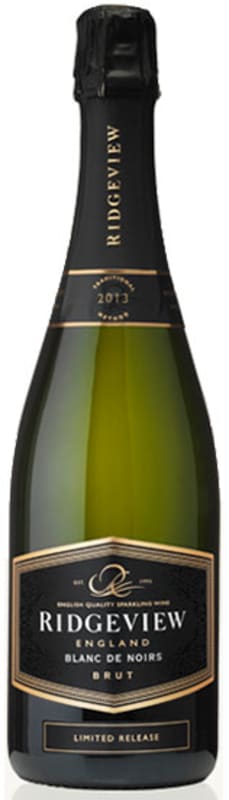


Winemaker Notes
Ridgeview Wine Estate's Blanc de Noir is only made in the best vintages with a combination of their finest Pinot grapes. A deep golden color with a persistent fine stream of bubbles. Rich, earthy red fruit aromas are followed by a complex toasted palate. The finish is long-lasting and beautifully balanced.
Blend: 55% Pinot Noir, 45% Pinot Meunier
Professional Ratings
-
Wine & Spirits
Mike and Chris Roberts planted Ridgeview in 1995, having searched out the chalk and clay soils in the foothills of the South Downs. The pinot meunier and pinot noir they grow there attained impressive flavor depth in the 2013 vintage, the wine’s creamy fruit taking on the blush of a red pear. It’s brisk and zesty, with lasting ginger spice and touches of leesy autolysis.
-
Robert Parker's Wine Advocate
The 2013 Blanc de Noirs is a blend of 55% Pinot Noir and 45% Pinot Meunier. It has a fresh, slightly honeyed bouquet augmented by Mirabelle and jasmine aromas. The palate is fresh on the entry with real "zing" to it. Great tension in situ, a sparkling wine that is so tensile that I would mistake it for a Blanc de Blancs if served blind. There is impressive energy and focus here, the best current release from Ridgeview and certainly worth seeking out.
-
Wine Enthusiast
An initial crisp, green apple note is swiftly overtaken by hints of oatmeal and biscuit. The palate shows that same duality: crisp freshness against generous structured richness. There is depth and elegance here, but always with that fine herbal tinge, reminding you that this is England. Beautifully balanced and poised.


Representing the topmost expression of a Champagne house, a vintage Champagne is one made from the produce of a single, superior harvest year. Vintage Champagnes account for a mere 5% of total Champagne production and are produced about three times in a decade. Champagne is typically made as a blend of multiple years in order to preserve the house style; these will have non-vintage, or simply, NV on the label. The term, "vintage," as it applies to all wine, simply means a single harvest year.

The limestone soils of England’s southern end have proven ideal for the production of British sparkling wine. While it might seem too damp and cold for grape growing in England, recent warm summers and the onset of global warming signify great future growth for the British wine industry.