
Winemaker Notes
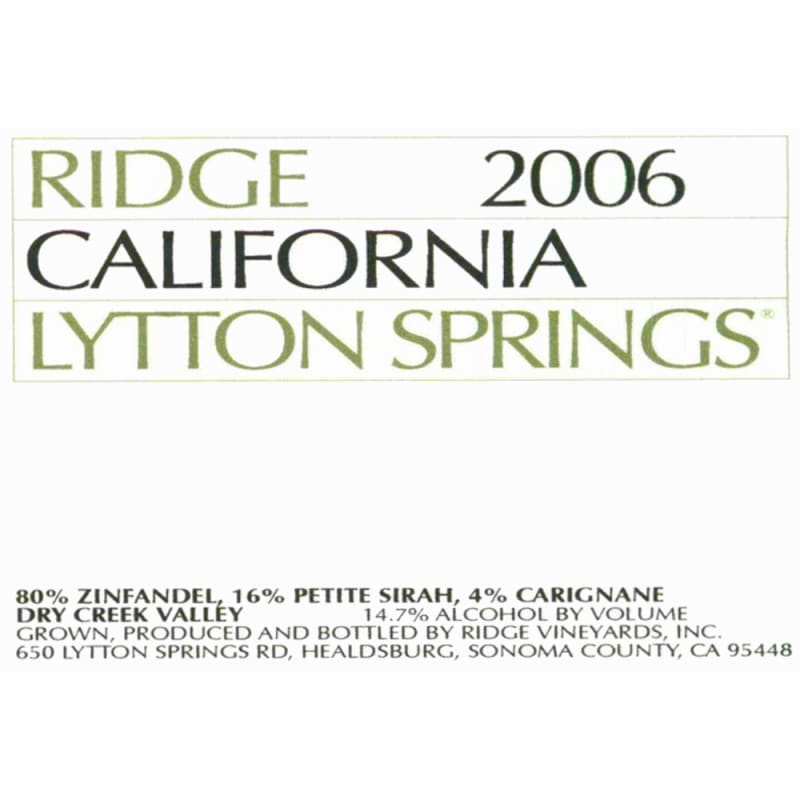
After long, hard rains in March, budbreak came by mid-April. In late July, extreme temperatures sunburned the west-facing blocks. These are planted predominantly to petite sirah, which took the highest loss. Veraison was late, and light rains further slowed maturation. We thinned the damaged clusters, and harvested the remaining fruit, fully ripe, between mid-September and mid-October. As tannin developed, we reduced pumpovers, and pressed at dryness on day nine. After a natural malolactic, twenty of the thirty-four blocks were selected for the 2006. This classic Lytton Springs was barrel aged for a full fifteen months.
Approachable now, it has the structure to be cellared and enjoyed over the next ten years.
Bright spice drives through the complex dark fruit of this old-vine blend, which includes Petite Syrah (16%) and Carignane (4%). There's some funk to it that reads like Brett, but it hasn't taken over the wine. The zesty acidity makes it more versatile than most Zins, especially with roast turkey or duck with cherries." 91 Points
Wine & Spirits
February 2009
Professional Ratings
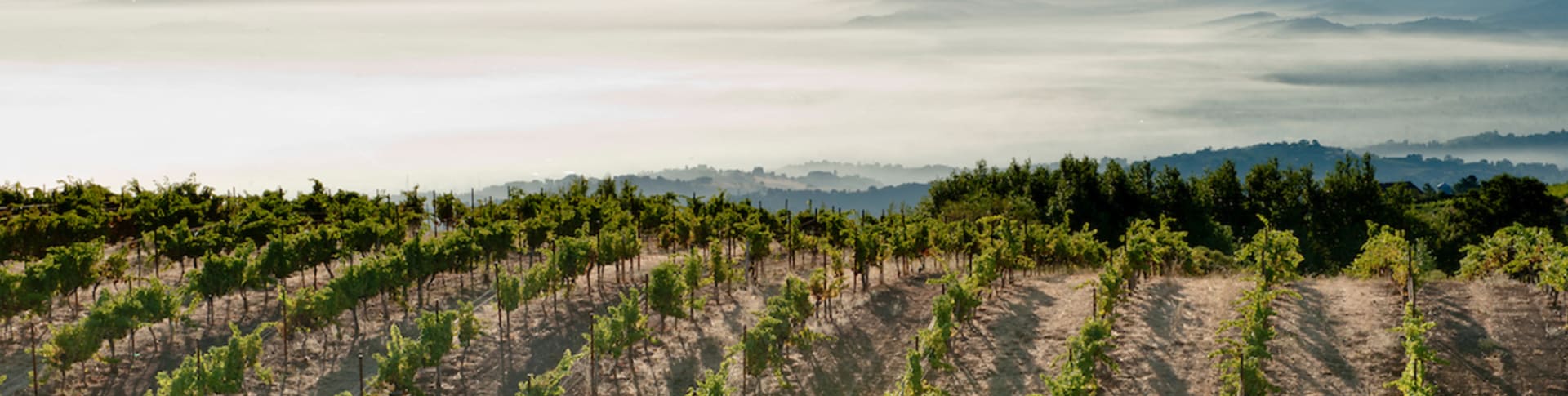




RIDGE's history begins in 1885, when Osea Perrone, a doctor and prominent member of San Francisco's Italian community, bought 180 acres near the top of Monte Bello Ridge in the Santa Cruz Mountains. He planted vineyards and constructed a winery of redwood and native limestone in time to produce the first vintage of Monte Bello in 1892. The historic building now serves as the RIDGE production facility.
In 1962, Ridge Vineyards made its first Monte Bello, and two years later its first zinfandel. The RIDGE approach is straightforward: find the most intense and flavorful grapes, guide the natural process, draw all the fruit's richness into the wine. Decisions on when to pick, when to press, when to rack, what varietals and what parcels to include and when to bottle, are based on taste. To retain the nuances that increase complexity, Ridge winemakers handle the grapes and wine as gently as possible. There are no recipes, only attention and sensitivity.
In August 2021, Ridge Vineyards joined International Wineries for Climate Action (IWCA), a group of like-minded wineries that are dedicated to decarbonizing the global wine industry. RIDGE is committed to achieving Net Zero by 2050 and completes a biannual greenhouse gas audit utilizing the World Resources Institute Greenhouse Gas (GHG) Protocol methodology and be verified by an internationally accredited, third-party auditor.

Unapologetically bold, spice-driven and jammy, Zinfandel has secured its title as the darling of California vintners by adapting well to the state's diverse microclimates and landscapes. Born in Croatia, it later made its way to southern Italy where it was named Primitivo. Fortunately, the imperial nursery of Vienna catalogued specimens of the vine, and it later made its way to New England in 1829. Parading the true American spirit, Zinfandel found a new home in California during the Gold Rush of 1849. Somm Secret—California's ancient vines of Zinfandel are those that survived the neglect of Prohibition; today these vines produce the most concentrated, ethereal and complex examples.
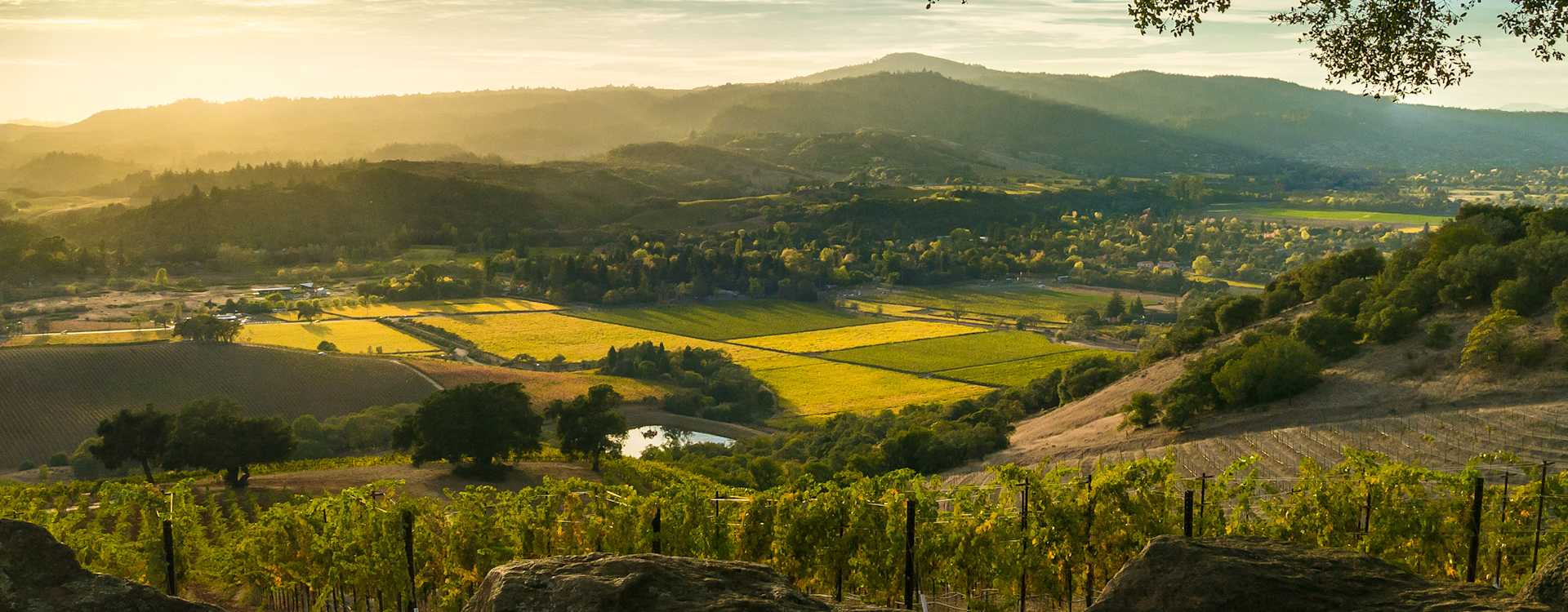
Home to a diverse array of smaller AVAs with varied microclimates and soil types, Sonoma County has something for every wine lover. Physically twice as large as Napa Valley, the region only produces about half the amount of wine but boasts both tremendous quality and variety. With its laid-back atmosphere and down-to-earth attitude, the wineries of Sonoma are appreciated by wine tourists for their friendliness and approachability. The entire county intends to become a 100% sustainable winegrowing region by 2019.
Sonoma County wines are produced with carefully selected grape varieties to reflect the best attributes of their sites—Dry Creek Valley’s consistent sunshine is ideal for Zinfandel, while the warm Alexander Valley is responsible for rich, voluptuous red wines like Cabernet Sauvignon. Chardonnay and Pinot Noir are important throughout the county, most notably in the cooler AVAs of Russian River, Sonoma Coast and Carneros. Sauvignon Blanc, Merlot and Syrah have also found a firm footing here.