


Winemaker Notes
Blend: 68% Zinfandel, 18% Carignane, 12% Petite Sirah, 2% Alicante Bouschet
Professional Ratings
-
Robert Parker's Wine Advocate
The 2017 Geyserville is a blend of 68% Zinfandel, 18% Carignane, 12% Petite Sirah and 2% Alicante Bouschet, aged 14 months in American oak, 16% new. Medium ruby, it opens with lilac, chocolate box and stone fruit hints with warm blackcurrants, red and black cherries, cranberries, cedar, tobacco leaf and dusty earth. Medium to full-bodied, it opens slowly in the mouth to pure fruits supported by fine, chalky tannins and integrated freshness on the very long finish. This is wound tight but has loads of potential and will require at least another few years in bottle.
-
Wilfred Wong of Wine.com
COMMENTARY: Having tasting nearly all of the vintages of the Ridge Geyserville, I have grown accustomed to the excellence of this wine. While it repositioned itself as a red blend, with lots of Zinfandel, it is still a "claret-style" Zinfandel on my palate. The 2017 vintage shows an excellent depth of range and flavors. Its aromas and flavors of dried fruit, bright berries, and subtle earth should pair it nicely with a roast leg of lamb. (Tasted: February 27, 2019, San Francisco, CA)
-
James Suckling
A soft and delicious red with aromas and flavors of blueberries, light chocolate and walnuts. Medium to full body, round tannins and a flavorful finish. 68% zinfandel, 18% carignan, 12% petite sirah and 2% alicante bouschet. Drink now.
-
Connoisseurs' Guide
68% Zinfandel; 18% Carignane; 12% Petite Sirah; 2% Alicante Bouschet. Starting off with aromas of a controlled and mannerly cast, but quickly opening up with air to show great depth and a promise of more to come, this wine is a bit brooding yet deeply endowed. Its early blackberry scents gain notes of dark soils, bark and sweet oak over time in the glass, and its full-bodied yet well-balanced construction on the palate could lead some to drink it up now. We would, however, counsel a more patient approach and suggest letting it rest in bottle for some three to six years at a minimum. Time is clearly its ally.
-
Jeb Dunnuck
The 2017 Geyserville is a more pretty, streamlined example of this cuvee and offers plenty of spiced blue fruits, violets, cedarwood, and flowery incense. Medium-bodied, nicely concentrated, with firm focusing tannin, it's a departure from some of the richer, more opulent examples of this cuvee yet is beautifully balanced, has integrated acidity and tannin, and a great finish.
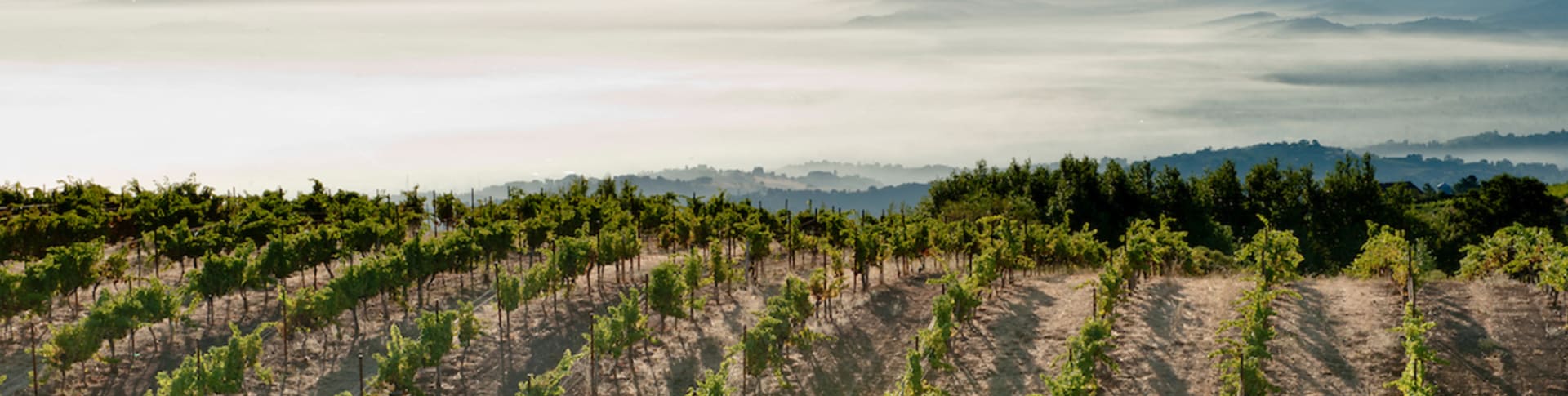




RIDGE's history begins in 1885, when Osea Perrone, a doctor and prominent member of San Francisco's Italian community, bought 180 acres near the top of Monte Bello Ridge in the Santa Cruz Mountains. He planted vineyards and constructed a winery of redwood and native limestone in time to produce the first vintage of Monte Bello in 1892. The historic building now serves as the RIDGE production facility.
In 1962, Ridge Vineyards made its first Monte Bello, and two years later its first zinfandel. The RIDGE approach is straightforward: find the most intense and flavorful grapes, guide the natural process, draw all the fruit's richness into the wine. Decisions on when to pick, when to press, when to rack, what varietals and what parcels to include and when to bottle, are based on taste. To retain the nuances that increase complexity, Ridge winemakers handle the grapes and wine as gently as possible. There are no recipes, only attention and sensitivity.
In August 2021, Ridge Vineyards joined International Wineries for Climate Action (IWCA), a group of like-minded wineries that are dedicated to decarbonizing the global wine industry. RIDGE is committed to achieving Net Zero by 2050 and completes a biannual greenhouse gas audit utilizing the World Resources Institute Greenhouse Gas (GHG) Protocol methodology and be verified by an internationally accredited, third-party auditor.

With hundreds of red grape varieties to choose from, winemakers have the freedom to create a virtually endless assortment of blended red wines. In many European regions, strict laws are in place determining the set of varieties that may be used, but in the New World, experimentation is permitted and encouraged resulting in a wide variety of red wine styles. Blending can be utilized to enhance balance or create complexity, lending different layers of flavors and aromas. For example, a red wine blend variety that creates a fruity and full-bodied wine would do well combined with one that is naturally high in acidity and tannins. Sometimes small amounts of a particular variety are added to boost color or aromatics. Blending can take place before or after fermentation, with the latter, more popular option giving more control to the winemaker over the final qualities of the wine.
How to Serve Red Wine
A common piece of advice is to serve red wine at “room temperature,” but this suggestion is imprecise. After all, room temperature in January is likely to be quite different than in August, even considering the possible effect of central heating and air conditioning systems. The proper temperature to aim for is 55° F to 60° F for lighter-bodied reds and 60° F to 65° F for fuller-bodied wines.
How Long Does Red Wine Last?
Once opened and re-corked, a bottle stored in a cool, dark environment (like your fridge) will stay fresh and nicely drinkable for a day or two. There are products available that can extend that period by a couple of days. As for unopened bottles, optimal storage means keeping them on their sides in a moderately humid environment at about 57° F. Red wines stored in this manner will stay good – and possibly improve – for anywhere from one year to multiple decades. Assessing how long to hold on to a bottle is a complicated science. If you are planning long-term storage of your reds, seek the advice of a wine professional.

Nearly a northern extension of Napa Valley, Alexander Valley starts just north of the small, Knights Valley, and is just a few minutes drive from the Napa town of Calistoga. It is Sonoma County’s hottest AVA. But the Russian River, which runs through the valley, creates cooler pockets and its soft, alluvial soil is ideal for grape growing, especially Cabernet Sauvignon. In fact, some believe that Alexander Valley Cabernets truly rival the best from Napa Valley and many of the heavy-hitter producers have largely invested here.
In addition to Cabernet Sauvignon, which makes up over 50% of plantings, Merlot and old vine Zinfandel thrive here. Ample, fleshy Chardonnay and Sauvignon Blanc dominate white wine production. Some old-vine plantings of Grenache have also been discovered and more recent experiments with Sangiovese and Barbera show great promise.