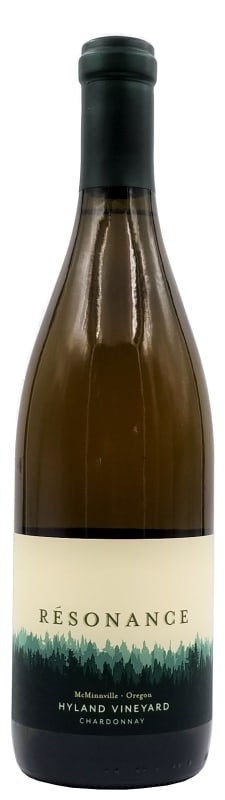


Winemaker Notes
A wine with a bright white gold color. The nose reveals subtle aromas of lemon zest, pear, fresh almond, white flower and vanilla. The wine has a nice tension and an aromatic purity, exhausted by a precise minerality
Professional Ratings
-
Robert Parker's Wine Advocate
The 2019 Chardonnay Hyland Vineyard, from vines planted in 1979 at 900 feet in elevation, has slowly blooming scents of apricot, crushed almonds, beeswax and citrus blossoms. The light-bodied palate is silky and delicate, offering detailed flavors and a long finish hinting at more honeyed bass tones waiting to emerge. It's not as open as the 2018 and will benefit from a bit more time in bottle. Rating : 95+
-
Wine Spectator
Elegantly complex and vibrant, with floral apple, lemon verbena and spice flavors that build toward a steely finish.
-
Wine & Spirits
From one of the valley’s older sources of chardonnay, this wine leads with scents of caramel and apple, giving way to a pineapple impression with air. The wine feels rich, powerful and vertically constructed, with a firm, tight structure that should relax with time in the cellar.


One of the most popular and versatile white wine grapes, Chardonnay offers a wide range of flavors and styles depending on where it is grown and how it is made. While it tends to flourish in most environments, Chardonnay from its Burgundian homeland produces some of the most remarkable and longest lived examples. California produces both oaky, buttery styles and leaner, European-inspired wines. Somm Secret—The Burgundian subregion of Chablis, while typically using older oak barrels, produces a bright style similar to the unoaked style. Anyone who doesn't like oaky Chardonnay would likely enjoy Chablis.

Stretching southwest from the city of McMinnville, the AVA with the same name covers about 40,000 acres across 20 miles until it meets the Van Duzer Corridor. This corridor is the only break in the Coast Range whose gap allows the cool Pacific Ocean air to flow eastward into the Willamette Valley.
The Pacific's moderating winds hit McMinnville’s south and southeast facing slopes where cool-climate varieties—namely Pinot noir and Pinot blanc thrive on ridges at between 200 to 1,000 feet in elevation.
Soils here are primarily uplifted marine sedimentary loam and silt, with alluvial formations; McMinnville receives less rainfall than its neighbors to the east because it is situated in the rain shadow of the Coast Range.